
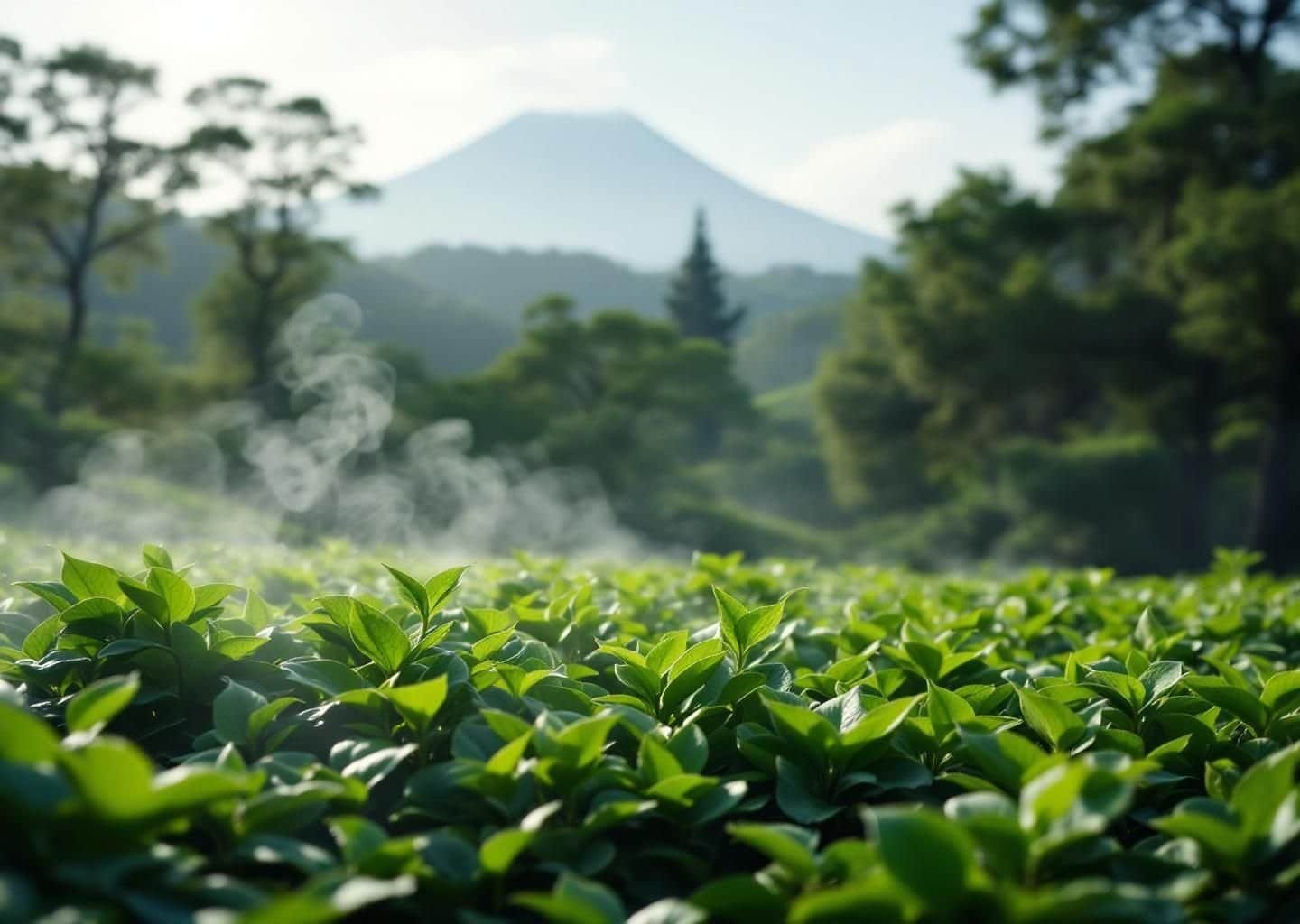
Tea retreat vacations combine immersive tea experiences — farm stays, tea ceremonies, and wellness activities — with relaxation in world-class destinations. From Japan’s Shizuoka tea farms to Bali’s wellness sanctuaries, these retreats offer mindfulness, spa treatments, and cultural immersion centered around tea. Prices typically range from $100–$500 per night.
Table of Contents
Summary: Tea wellness retreats combine immersive tea culture with holistic wellness programs in stunning destinations worldwide. From Japanese tea farm stays to Balinese meditation retreats, these 20 immersive experiences offer guided tastings, yoga, meditation, and farm-to-cup education for travelers seeking restorative journeys centered around tea.
Introduction to Tea Retreat Vacations
In today’s fast-paced world, many travelers are seeking unique opportunities to unwind, rejuvenate, and reconnect with nature. A tea retreat vacation offers just that, combining the tranquility of tea with the rejuvenation of wellness activities. From the lush tea gardens of Japan to the serene meditation havens in India, tea retreats provide an immersive experience that rejuvenates both body and soul. These retreats often include farm stays, spa experiences, and meditation sessions centered around tea, offering a holistic approach to relaxation and health.
1. Enchanting Tea Farm Stay in Shizuoka, Japan
Shizuoka, Japan, is renowned for its vast tea plantations and serene landscapes. A tea farm stay here offers visitors the chance to immerse themselves in the age-old tradition of Japanese tea making. Guests can participate in tea-picking activities, learn the art of tea ceremony, and enjoy meals infused with fresh, local tea leaves. The best time to visit is during spring (March to May) when the tea fields are lush and green. Prices range from $150 to $250 per night, offering authentic Japanese accommodation with stunning views of Mount Fuji.
2. Rejuvenating Tea Wellness Retreat in Ubud, Bali
Bali’s Ubud region is a sanctuary for wellness enthusiasts. At this tea wellness retreat, the focus is on balancing mind, body, and spirit through a combination of yoga, meditation, and tea therapy. The retreat includes daily yoga sessions, guided tea meditations, and spa treatments using locally-sourced tea-infused oils. The best time to visit is during the dry season (April to September). Prices start at $200 per day, including accommodation, meals, and wellness activities.
3. Serene Tea Meditation Retreat in Darjeeling, India
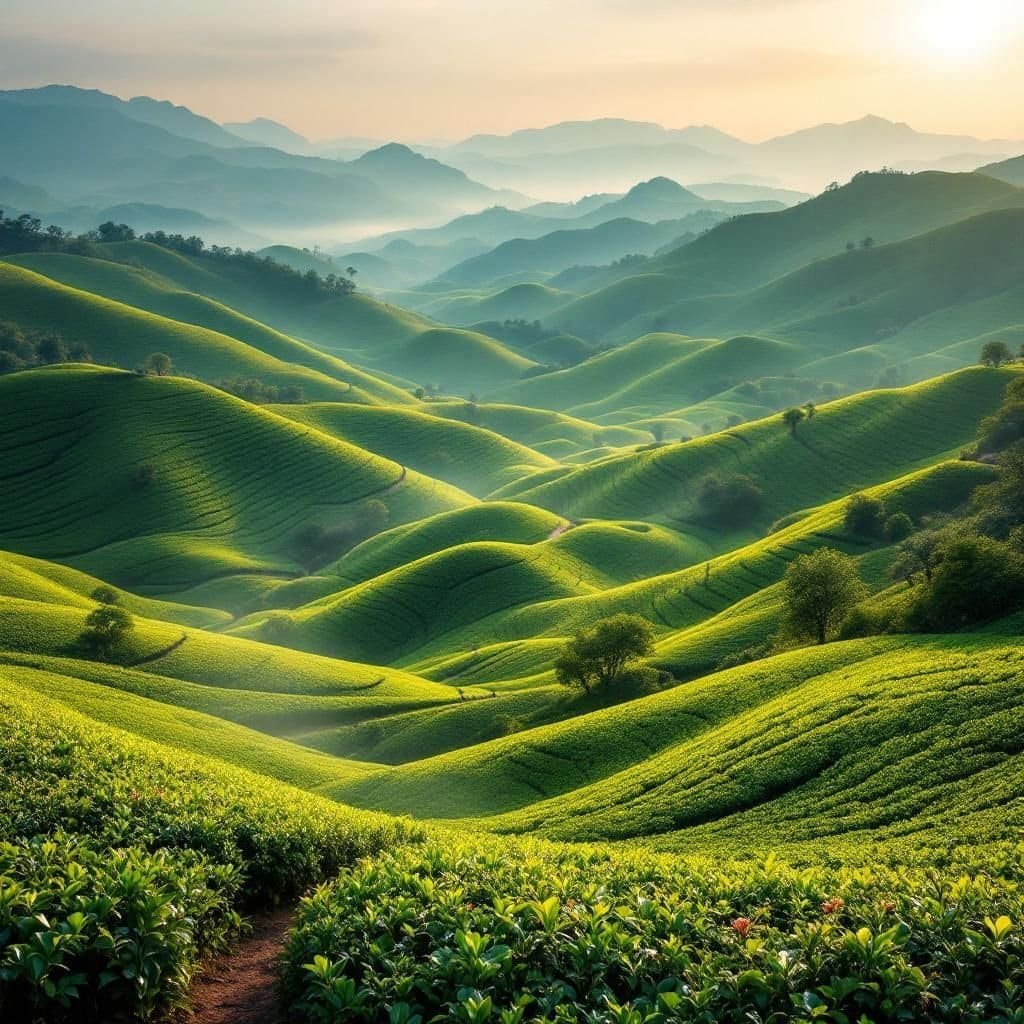
Set in the Himalayas, Darjeeling offers a perfect backdrop for a tea meditation retreat. Here, the focus is on mindfulness and meditation practices using the surrounding tea gardens as inspiration. Guests can participate in guided meditation sessions, tea tastings, and learn about the spiritual significance of tea in Indian culture. The ideal time to visit is between March and June, with prices ranging from $100 to $200 per night.
4. Luxurious Tea Spa Experience in Chiang Mai, Thailand
Chiang Mai is home to some of the most luxurious tea spa experiences in Asia. These spas incorporate the healing properties of tea into their treatments, offering herbal baths, tea-infused massages, and facial treatments. Guests can choose from a wide range of services, all designed to promote relaxation and well-being. The best time to visit is from November to February. Prices for spa packages range from $150 to $500, depending on the services chosen.
5. Authentic Tea Retreat in Hangzhou, China
Hangzhou is renowned for its Longjing tea and picturesque landscapes. This retreat offers a comprehensive experience, including tea harvesting, processing, and tasting sessions. Guests will also enjoy guided tours of ancient tea houses and temples. The ideal time to visit is during the spring harvest season (March to May). Prices range from $200 to $350 per night, including accommodation and activities.
6. Eco-Friendly Tea Retreat in Sri Lanka
Sri Lanka’s tea country provides a unique setting for an eco-friendly tea retreat. Visitors can stay in sustainable lodges, participate in organic tea farming, and engage in yoga and meditation sessions. The best time to visit is from December to March. Prices vary from $150 to $300 per night, with eco-friendly accommodations and meals included.
7. Cultural Tea Retreat in Taiwan
Taiwan’s tea culture is rich and diverse, making it an ideal destination for a cultural tea retreat. Visitors can explore the traditional tea houses, participate in tea ceremonies, and learn about the history and production of Taiwanese tea. The best time to visit is during spring (March to May) or autumn (September to November). Prices begin at $180 per night, including guided tours and tea tastings.
8. Highland Tea Retreat in Kenya
Kenya’s highlands are not only famous for wildlife but also for their tea plantations. This retreat offers a peaceful escape with tea tasting tours, nature walks, and interactions with local tea farmers. The best time to visit is from June to August. Prices range from $100 to $200 per night, including all activities and accommodation.
9. Sustainable Tea Retreat in Nepal
Located in the foothills of the Himalayas, Nepal offers a sustainable tea retreat that focuses on organic tea farming and preservation. Visitors can engage in tea picking, processing, and enjoy panoramic views of the mountains. The best time to visit is from March to May. Prices range from $100 to $250, with sustainable lodging and meals included.
10. Therapeutic Tea Retreat in Morocco
Morocco’s tea culture is as rich as its history. This therapeutic retreat offers guests the chance to indulge in Moroccan tea rituals, including mint tea making workshops and hammam spa treatments. Prices range from $120 to $300 per night, including workshops and spa treatments.
11. Mountain Tea Retreat in Turkey
The lush mountains of Turkey provide a serene setting for a tea retreat. Guests can enjoy tea tastings, traditional Turkish baths, and explore ancient tea routes. The best time to visit is from April to June. Prices start at $150 per night, with all activities and meals included.
12. Island Tea Retreat in Fiji
Fiji’s tropical paradise offers an island tea retreat that combines relaxation with adventure. Visitors can enjoy tea-infused spa treatments, beach yoga, and island hopping tours. The best time to visit is from May to October. Prices range from $200 to $400 per night, including accommodations and activities.
13. Tranquil Tea Retreat in Munnar, India
Set in the Western Ghats, Munnar’s rolling tea estates offer an extraordinary backdrop for wellness retreats. Guests can participate in guided tea plucking sessions, learn about the Nilgiri tea-making process, and enjoy Ayurvedic spa treatments infused with local herbs. The cool mountain air and panoramic views of emerald tea gardens create an unmatched environment for mindful relaxation.
Best for: Ayurvedic wellness, tea education, mountain scenery
Price range: $120–$280/night
Best time to visit: October–March
14. Meditative Tea Retreat in Alishan, Taiwan
Taiwan’s Alishan mountain region, famous for its high-altitude oolong teas, hosts intimate retreat experiences where guests learn the art of Gongfu Cha. Surrounded by ancient cypress forests and misty tea terraces, these retreats combine tea tasting, mindfulness meditation, and sunrise hikes through the tea gardens.
Best for: Oolong tea enthusiasts, meditation, cultural immersion
Price range: $150–$350/night
Best time to visit: April–June, September–November
15. Rooibos Wellness Retreat in Cederberg, South Africa
The Cederberg Wilderness Area is the only place in the world where rooibos grows naturally. Boutique farm retreats here offer guided rooibos harvesting experiences, bush walks, and wellness treatments using rooibos-infused skincare products. The dramatic red rock landscapes and star-filled skies make this one of the most unique tea retreat destinations on earth.
Best for: Unique tea origins, nature lovers, stargazing
Price range: $100–$250/night
Best time to visit: March–May, August–October
16. Luxury Tea Spa Retreat in Kyoto, Japan
Kyoto’s historic tea culture provides the perfect setting for a luxury wellness retreat. Exclusive ryokan (traditional inns) offer matcha-infused spa treatments, private tea ceremony lessons with certified tea masters, and guided walks through Uji’s famous tea fields. Guests can experience the full spectrum of Japanese tea culture while enjoying world-class hospitality.
Best for: Luxury travelers, Japanese culture, matcha experiences
Price range: $300–$800/night
Best time to visit: April–May, October–November
17. Eco Tea Retreat in Cameron Highlands, Malaysia
Malaysia’s Cameron Highlands is home to some of Southeast Asia’s most scenic tea plantations. Eco-lodges here offer sustainable retreat experiences including tea farm tours, jungle trekking, and workshops on sustainable tea cultivation. The cool highland climate (averaging 18°C) provides a refreshing escape from tropical heat.
Best for: Eco-conscious travelers, budget-friendly luxury, Southeast Asia exploration
Price range: $80–$200/night
Best time to visit: Year-round (avoid November–January monsoon)
18. Healing Tea Retreat in Wuyi Mountains, China
The UNESCO-listed Wuyi Mountains are the birthplace of oolong and black tea. Retreat centers here offer immersive programs combining traditional Chinese medicine (TCM) tea therapies, rock tea (yancha) tastings, and guided hikes through dramatic bamboo forests and tea cliffs.
Best for: Tea history enthusiasts, TCM wellness, UNESCO heritage
Price range: $130–$320/night
Best time to visit: April–June, September–October
19. Mindful Tea Retreat in Nuwara Eliya, Sri Lanka
Known as “Little England,” Nuwara Eliya sits at 1,868 meters above sea level amid Sri Lanka’s finest Ceylon tea estates. Colonial-era bungalows converted into boutique retreats offer tea factory tours, guided meditation in the tea gardens, and Ayurvedic wellness programs.
Best for: Ceylon tea lovers, colonial history, Ayurvedic wellness
Price range: $110–$300/night
Best time to visit: January–April
20. Arctic Herbal Tea Wellness Retreat in Iceland
Iceland’s geothermal landscape offers a unique backdrop for tea wellness retreats. Boutique wellness centers combine locally foraged herbal tea ceremonies with geothermal hot spring soaks, Northern Lights viewing, and mindfulness sessions. Iceland’s rich tradition of herbal tisanes — including birch, angelica, and crowberry — creates a distinctive Nordic tea wellness experience.
Best for: Adventure wellness seekers, Northern Lights, unique experiences
Price range: $250–$600/night
Best time to visit: September–March (Northern Lights), June–August (Midnight Sun)
How to Book a Tea Retreat Vacation
Booking a tea retreat vacation requires a bit more research than a standard hotel stay. Here’s a step-by-step guide to finding and securing your ideal tea wellness experience:
- Define your priorities: Decide whether you want a luxury spa experience, an authentic farm stay, a cultural immersion, or a budget-friendly eco retreat.
- Set your budget: Tea retreat prices range from $80/night for eco-lodges in Malaysia to $800/night for luxury ryokans in Kyoto. Factor in flights, transfers, and activities.
- Choose your season: Spring (April–June) is ideal for Japan and China; October–March for India and Sri Lanka.
- Book directly when possible: Many boutique tea retreats offer better rates and more personalized experiences when booked directly through their websites.
- Read reviews carefully: Look for reviews that specifically mention the tea experiences. TripAdvisor, Google Reviews, and specialized travel blogs are good sources.
- Confirm inclusions: Ask what’s included — tea tastings, farm tours, cooking classes, spa treatments, and meals vary widely between retreats.
- Book early: Premium tea retreats in Japan and India often sell out 3–6 months in advance during peak seasons.
Typical pricing by destination:
- Japan (Shizuoka, Kyoto, Uji): $200–$800/night
- India (Darjeeling, Munnar, Assam): $100–$350/night
- Sri Lanka (Nuwara Eliya, Ella): $80–$300/night
- Taiwan (Alishan, Sun Moon Lake): $120–$400/night
- China (Wuyi Mountains, Hangzhou): $100–$350/night
- Southeast Asia (Bali, Chiang Mai, Cameron Highlands): $80–$280/night
- Africa (Kenya, South Africa): $100–$300/night
Health Benefits of Tea Retreat Vacations
Beyond relaxation, tea retreat vacations offer measurable health benefits that make them a worthwhile investment in your well-being. Research consistently shows that regular tea consumption combined with mindfulness practices can significantly improve both physical and mental health outcomes.
- Stress Reduction: The combination of tea’s L-theanine content and meditation practices lowers cortisol levels, reducing chronic stress and anxiety.
- Antioxidant Boost: Daily consumption of high-quality teas — from Japanese matcha to Darjeeling first flush — floods your body with catechins and polyphenols that combat oxidative stress.
- Improved Sleep Quality: Herbal tea rituals, particularly chamomile and valerian blends used in evening ceremonies, help regulate sleep cycles disrupted by modern life.
- Digital Detox: Most tea retreats encourage or require disconnecting from devices, allowing your nervous system to reset and your attention span to recover.
- Cultural Enrichment: Learning the history and philosophy behind tea traditions — from Japanese Chado to Chinese Gongfu — provides lasting mental stimulation and a new perspective on mindful living.
- Community Connection: Shared tea ceremonies create meaningful bonds with fellow travelers, combating the loneliness epidemic that affects many modern professionals.
What to Expect at a Tea Retreat Vacation
First-time tea retreat guests often wonder what a typical day looks like. While every retreat is unique, most follow a similar rhythm designed to maximize relaxation and learning:
- Morning: Wake up to a guided tea meditation or sunrise tea ceremony. Many retreats begin with a mindful preparation of the day’s first cup, setting an intentional tone for the hours ahead.
- Mid-Morning: Hands-on workshops — tea picking, processing demonstrations, or tea blending classes — give guests practical skills they can bring home.
- Afternoon: Spa treatments, yoga sessions, or guided nature walks through tea gardens. Some retreats offer tea-infused cooking classes using tea as a culinary ingredient.
- Evening: Cultural experiences such as traditional tea ceremonies, storytelling sessions with local tea masters, or communal dinners featuring tea-paired menus.
Most retreats are all-inclusive, covering accommodation, meals, and activities. Bring comfortable, layered clothing suitable for both outdoor activities and indoor wellness sessions.
Specialty Tea Retreats for Every Traveler
Not every tea retreat is the same. Some travelers seek solitude, some are couples planning a romantic getaway, and others are families introducing children to tea culture, there is a retreat tailored to your needs. Here is how to find the perfect match for your travel style.
Solo Traveler Tea Retreats
Solo travelers often gravitate toward retreat centers with communal dining and group tea ceremonies. Destinations like Darjeeling and Nepal offer affordable single-occupancy rooms, while Japanese ryokan provide quiet, contemplative spaces ideal for solo reflection. Many solo travelers report that the communal nature of tea ceremonies helps them form meaningful connections with fellow guests.
Romantic Couples Tea Retreats
For couples, Bali and Kyoto offer private villa accommodations with couples’ tea spa treatments. The Wuyi Mountains in China also feature boutique lodges with private tea terraces and sunrise tea tastings. These intimate settings combine tea culture with romantic landscapes.
Family-Friendly Tea Retreats
Families with children should consider Sri Lanka and Kenya, where many retreats offer kid-friendly tea farm tours, nature walks, and educational workshops. These destinations blend tea culture with wildlife safaris and outdoor adventure, creating memorable multi-generational experiences.
Budget Tea Retreats
Travelers on a budget can find excellent value in Nepal, Cameron Highlands, and Turkey. Dormitory-style eco-lodges and self-catering farm stays make these regions accessible without sacrificing the core tea experience. Expect to pay $60–120 per night in these destinations.
Luxury Tea Retreats
For those seeking five-star tea experiences, Kyoto’s historic ryokan and Bali’s high-end wellness resorts offer personalized tea master classes, private tea-paired dining, and bespoke spa treatments. These premium retreats often include airport transfers and private guides.
Booking Tips for Tea Retreat Vacations
When booking a tea retreat vacation, consider the season and weather of the destination to ensure the best experience. Book in advance, especially during peak seasons, to secure your spot and possibly receive early bird discounts. Utilize trusted travel sites and check reviews to guarantee quality service. Always verify if the retreat includes meals, activities, and accommodation in the package price to avoid hidden costs.
Ready to Book Your Tea Retreat Vacation?
Start planning your restorative tea journey today. Whether you dream of harvesting first-flush sencha in Japan, meditating among Darjeeling tea gardens, or experiencing a traditional gongfu ceremony in China, the perfect tea retreat awaits. Use our interactive Tea Tourism Destination Comparison Guide to find your ideal destination based on season, budget, and travel style. For personalized recommendations, join our 5-Day Tea Tourism Planning Email Course — completely free.
Compare Tea Retreat Destinations →Related Tea Travel Guides
Continue your tea travel journey with these in-depth destination guides:
- Darjeeling Tea Tours & Tastings: A Complete Guide
- Korean Tea Ceremony (Darye): Complete Traveler’s Guide
- Darjeeling Tea Estate Stays: Sleep Among the World’s Finest Tea
- Tea Wellness Retreats: Top Destinations for Healing Tea Journeys
- Taiwan High Mountain Oolong: Alishan to Lishan Tea Trail
- Morocco Tea Culture: A Traveler’s Guide to Mint Tea Traditions
- Browse All Tea Travel Guides
Conclusion
Tea retreat vacations offer a unique blend of relaxation, culture, and wellness. Whether you choose a serene tea meditation retreat in India or a luxurious tea spa experience in Thailand, each destination provides a distinct experience that enriches the soul. By carefully selecting your retreat and planning ahead, you can embark on a journey that not only soothes the mind but also creates lasting memories.
Ready to Plan Your Tea Retreat Vacation?
Explore our complete guides to the world’s best tea destinations, from Japan’s Shizuoka tea farms to Sri Lanka’s highland estates. Get insider tips, booking advice, and seasonal travel recommendations.
Explore Tea Travel Guides →Frequently Asked Questions
What is a tea retreat vacation?
A tea retreat vacation combines tea-related activities with wellness practices such as meditation and yoga, offering a rejuvenating experience.
How do I choose the best tea retreat?
Consider factors like location, type of activities offered, budget, and the best season to visit when selecting a tea retreat.
Are meals typically included in tea retreat packages?
Yes, most tea retreats include accommodation, meals, and activities in their package prices. It’s best to confirm with the retreat provider.
What should I pack for a tea retreat vacation?
Pack comfortable clothing for yoga or meditation, any personal wellness items, and appropriate footwear for nature walks or tea farm activities.
Can I book a tea retreat vacation online?
Yes, most tea retreats can be booked online through their official websites or trusted travel platforms. Look for reviews and ratings to ensure a quality experience.
What are the health benefits of a tea retreat vacation?
Tea retreat vacations offer numerous health benefits including stress reduction through mindfulness and meditation, antioxidant intake from daily tea consumption, improved sleep quality, detoxification through herbal tea therapies, and physical wellness from yoga and nature walks. Many guests report lasting improvements in mental clarity and overall well-being after just one week.
How long should a tea retreat vacation be?
Most tea retreat vacations range from 3 to 14 days. A 5–7 day retreat is ideal for first-timers, allowing enough time to fully immerse in tea culture, participate in workshops, and experience the wellness benefits without feeling rushed. Longer retreats of 10–14 days are recommended for those seeking deeper transformation or tea education certification programs.
Are tea retreat vacations suitable for solo travelers?
Absolutely. Tea retreat vacations are among the most welcoming experiences for solo travelers. The communal nature of tea ceremonies naturally fosters connection, and most retreats organize group workshops, guided tastings, and shared meals. Solo travelers often find that the mindful, unhurried pace of a tea retreat is ideal for self-reflection and meeting like-minded travelers from around the world.
What is the best time of year to visit a tea retreat?
The best time depends on your destination. For Japanese tea retreats, spring (March–May) coincides with the first flush harvest and cherry blossom season. Sri Lanka and India’s Darjeeling are best visited during the spring harvest (March–April) or autumn flush (October–November). Bali and Thailand are ideal year-round, though the dry season (April–October) offers the most comfortable conditions. Always check local harvest calendars to align your visit with peak tea season.
How much does a tea retreat vacation cost?
Tea retreat costs vary widely by destination and level of luxury. Budget-friendly eco-retreats in Nepal and Cameron Highlands start around $80 to $120 per night, while mid-range retreats in India, Sri Lanka, and Taiwan typically cost $150 to $350 per night. Luxury tea wellness retreats in Kyoto, Japan, and Bali can range from $300 to $800 per night. Most retreats are all-inclusive, covering accommodation, meals, and core activities like tea tastings, farm tours, and wellness sessions.
What should I pack for a tea wellness retreat?
Pack comfortable, layered clothing suitable for both outdoor tea farm walks and indoor wellness sessions. Essential items include: breathable yoga or meditation clothing, sturdy walking shoes for plantation tours, a light rain jacket, a reusable water bottle, sunscreen, insect repellent, and a journal for tea tasting notes. Many retreats provide yoga mats and tea ceremony utensils, but check with your specific retreat beforehand.
Are tea wellness retreats suitable for beginners?
Yes, tea wellness retreats welcome all experience levels. Most retreats are designed for first-timers and include introductory tea tastings, basic meditation guidance, and gentle yoga sessions. Tea masters and wellness instructors typically adapt their teaching to the group. No prior knowledge of tea ceremonies or yoga is required.
What is the best destination for a first tea retreat?
For first-time tea retreat travelers, Sri Lanka and Bali are excellent starting points. Sri Lanka’s Ceylon tea estates offer English-speaking guides, affordable luxury, and a well-developed tourism infrastructure. Bali’s Ubud region combines accessible wellness culture with a wide range of retreat options at every price point. Both destinations have international airports, straightforward visa policies, and retreat staff experienced in hosting international guests.

