
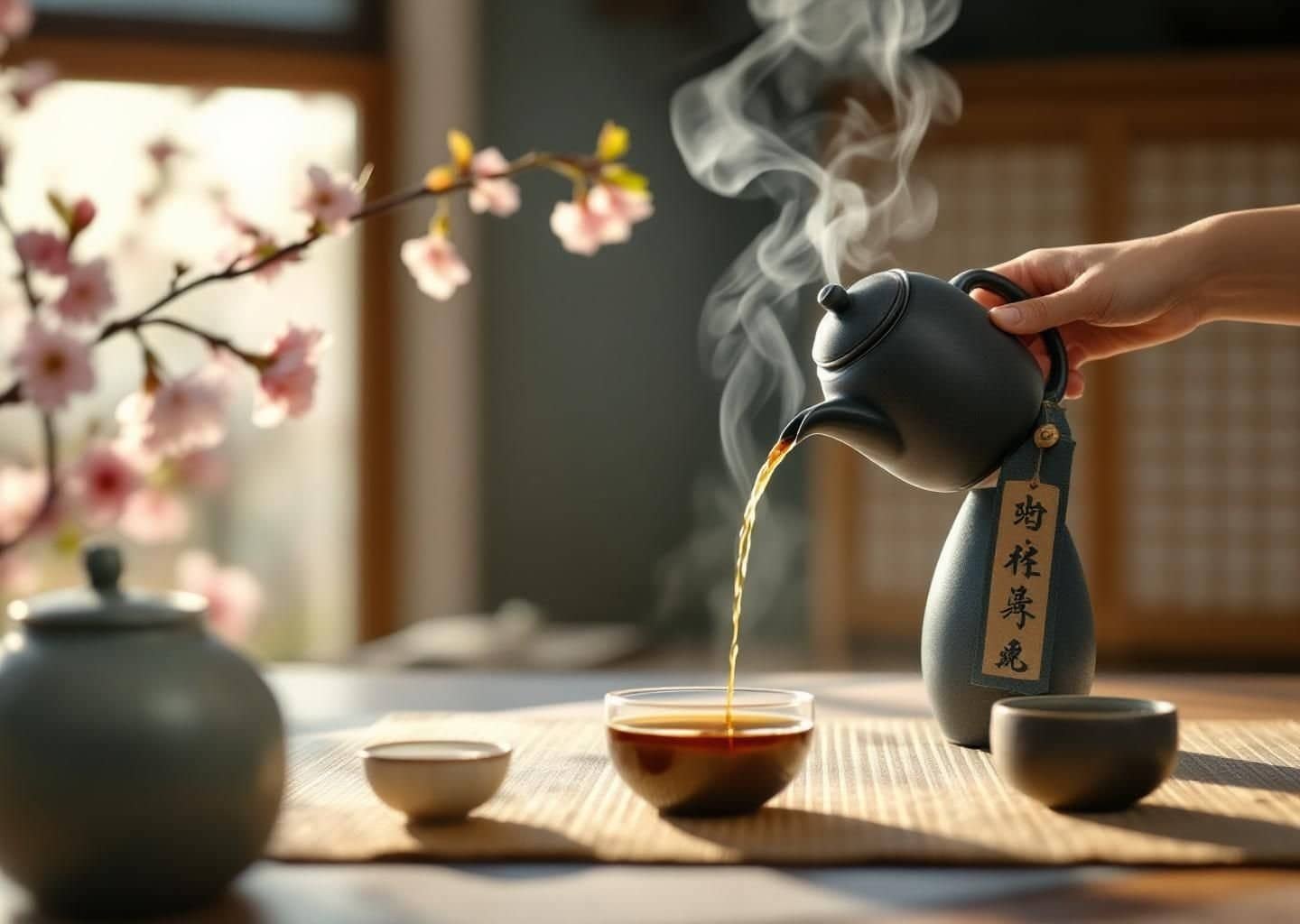
Summary: Darye is Korea’s traditional tea ceremony emphasizing harmony, respect, and mindfulness. Dating back to the Goryeo Dynasty, it involves precise steps of preparing and serving tea in a tranquil setting. Visitors can experience authentic Darye in Seoul’s historic tea houses, learning etiquette and philosophy from tea masters.
Introduction to the Korean Tea Ceremony Darye
The Korean tea ceremony, known as Darye, is a rich cultural tradition that offers a glimpse into the serene and reflective philosophies of Korean society. Unlike more formal ceremonies in other cultures, Darye emphasizes simplicity, naturalness, and ease. This tradition has been practiced in Korea for over a thousand years, evolving through various dynasties to become a cherished part of Korean tea culture. By exploring Darye, you not only learn about tea but also about Korean history, etiquette, and the pursuit of harmony and balance.
The Philosophy and Rituals of Darye
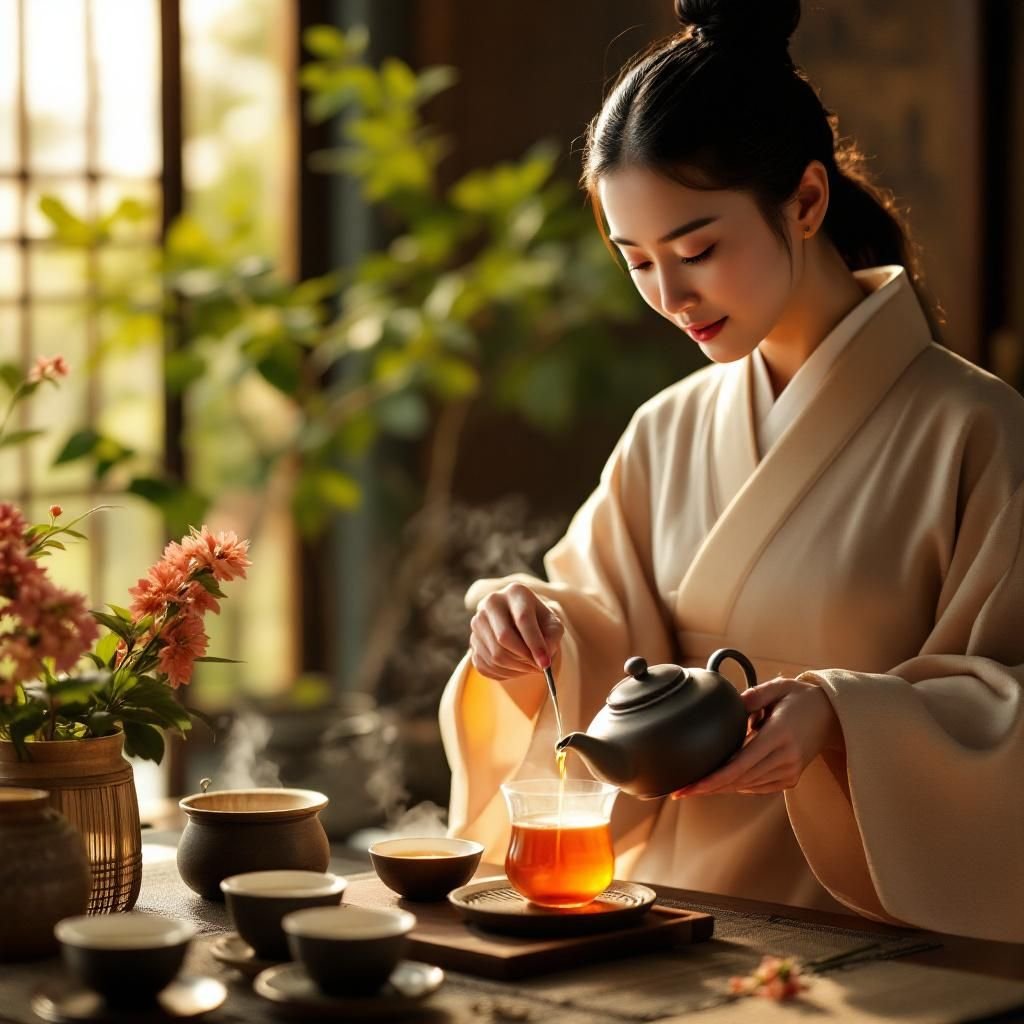
Darye, which translates to “tea rite,” is less about strict rituals and more about the appreciation of tea as part of daily life. The core philosophy revolves around relaxation, respect, and the enjoyment of pure, subtle flavors that tea offers. The ceremony is typically held in a quiet room with a low table, where participants sit on the floor. The tea master, usually dressed in traditional Korean hanbok, prepares the tea while maintaining a calm and unhurried demeanor.
The process begins with the warming of the teapot and cups, followed by the brewing of green tea, often using high-quality Korean teas like Nokcha or Hojicha. The tea is poured in small, even amounts into each cup to ensure everyone receives an equal experience. Silence is observed during the pouring, allowing participants to focus on the tea’s aroma and taste. The ceremony concludes with a moment of reflection, where participants are encouraged to express gratitude for the tea and the company.
History and Origins of the Korean Tea Ceremony
The origins of Darye can be traced back to the Goryeo Dynasty (918–1392), when tea culture began to take root in Korea. Influenced by Chinese tea practices, Korean tea culture evolved uniquely, focusing on simplicity and naturalism. During the Joseon Dynasty (1392–1910), tea became an integral part of Confucian rituals, reflecting the values of modesty and harmony.
Over centuries, the ceremony became a symbol of social status and intellectual pursuit among the Korean elite. However, it was also adapted by the general populace, which led to a more relaxed and accessible practice. The 20th century saw a decline in traditional tea practices due to modernization, but recent years have witnessed a revival as Koreans and travelers alike seek to reconnect with their cultural heritage.
Types of Tea in Korean Tea Culture
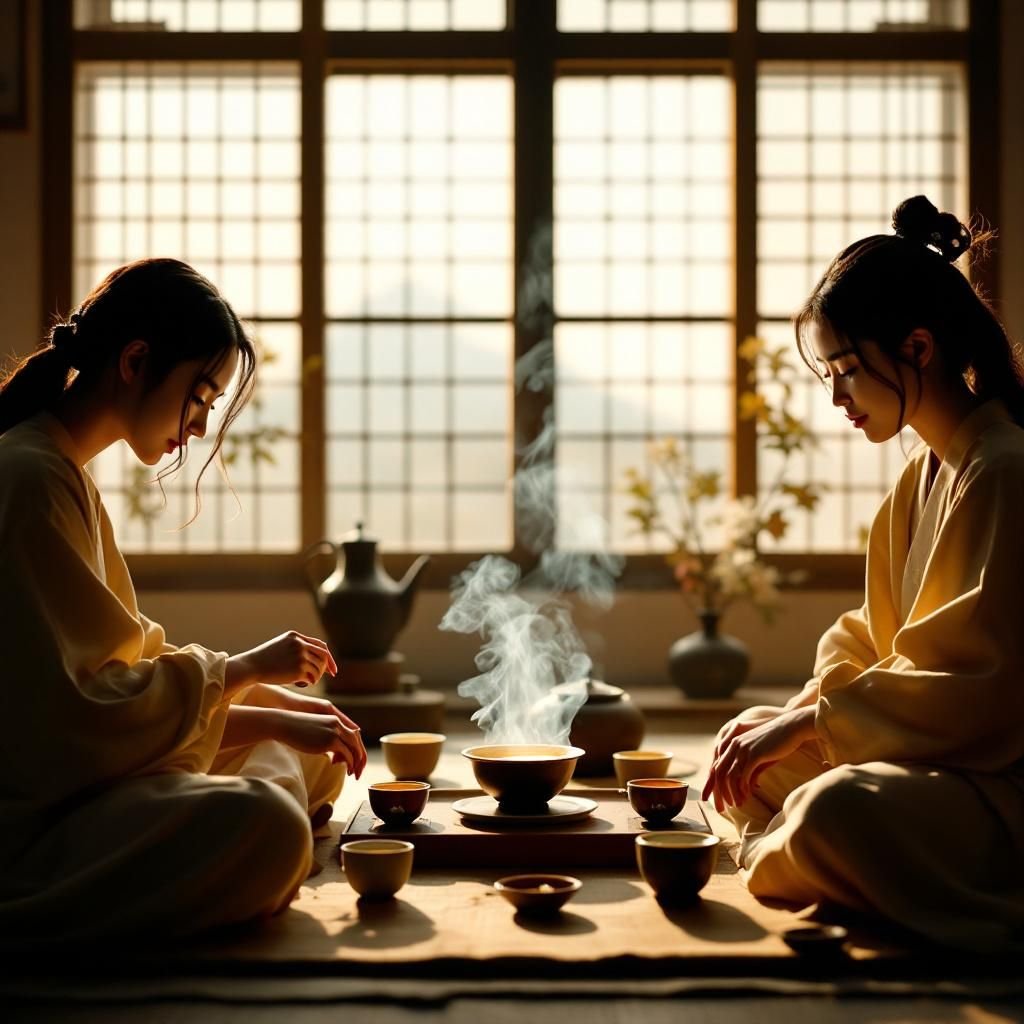
Korean tea culture is diverse, with various types of tea used in Darye. The most popular include Nokcha (green tea), Byeongcha (compressed tea), and Hwangcha (yellow tea). Each tea type offers a distinct taste and aroma, reflecting the terroir of Korean landscapes.
- Nokcha: Known for its fresh and vegetal flavor, this green tea is a staple in Darye. It is often harvested in the spring and offers a pale straw liquor with a delicate aroma.
- Byeongcha: This compressed tea, similar to Chinese Pu-erh, provides a rich, earthy flavor with a deep amber color. It is usually aged, enhancing its complexity.
- Hwangcha: A rare yellow tea, Hwangcha is semi-oxidized, offering a sweet and mellow taste with a golden hue. Its production is labor-intensive, making it a special treat during ceremonies.
Darye Etiquette: What to Expect
Darye etiquette is centered around respect and mindfulness. Guests are expected to arrive punctually and dress modestly, ideally in traditional attire if available. Upon entering the tea room, participants bow to the tea master and fellow guests as a sign of respect. Silence or soft conversation is maintained throughout the ceremony to enhance focus and appreciation.
Participants should hold the tea cup with both hands and sip slowly, savoring each infusion. Complimenting the tea and the skill of the tea master is encouraged but should be done quietly and sincerely. At the end of the ceremony, expressing gratitude is customary, acknowledging the effort and hospitality extended by the host.
Seoul Tea Ceremony Experiences
Seoul, the vibrant capital of South Korea, offers numerous opportunities to experience Darye. Various tea houses and cultural centers provide authentic tea ceremonies, allowing visitors to immerse themselves in this ancient tradition. Some notable places include Korea House, a cultural complex run by the Korea Heritage Agency whose Kohojae salon serves tea with seasonal confections, and Bukchon Hanok Village, where many traditional houses now operate as tea houses and cultural centers.
These venues not only serve tea but also provide insights into Korean tea history and culture. Many tea houses in Seoul also sell locally sourced teas and ceramics, allowing visitors to take a piece of Korean tea culture home with them.
Official Sources and Further Reading
To deepen your understanding of Darye and Korean tea culture, consider exploring Korea.net, the official site of the Republic of Korea, which offers extensive resources on cultural practices. Additionally, Visit Korea, the official tourism website, provides information on tea ceremonies and cultural events in Seoul.
Related Guides
- A Guide to the Japanese Tea Ceremony
- Exploring the Chinese Tea Ceremony
- Tea Tourism in Asia: A Cultural Journey
- Top Tea Houses to Visit in Asia
- Traditional Tea Preparation Techniques Worldwide
Plan Your Korean Tea Journey
Ready to immerse yourself in the art of Darye? Explore our complete tea ceremonies around the world guide to discover more traditions, or start planning your trip to Seoul with our tea travel planning resources.
Frequently Asked Questions
What is the Korean tea ceremony Darye?
Darye is a traditional Korean tea ceremony that emphasizes simplicity, naturalness, and appreciation of tea as part of daily life. It involves brewing high-quality Korean teas and observing relaxed etiquette.
Where can I experience a Korean tea ceremony in Seoul?
In Seoul, you can experience Darye at venues like the Korean House and Bukchon Hanok Village, which offer authentic tea ceremonies in traditional settings.
What types of tea are used in Darye?
Common teas used in Darye include Nokcha (green tea), Byeongcha (compressed tea), and Hwangcha (yellow tea), each offering unique flavors and aromas.
How should I dress for a Korean tea ceremony?
Participants should dress modestly, ideally in traditional attire such as a hanbok, to show respect for the ceremony and the host.
What is the history of Darye?
Darye dates back to the Goryeo Dynasty and evolved through the Joseon Dynasty. It reflects Korean values of modesty and harmony and has seen a revival in modern times.

