
What Makes a Tea ‘Exotic’?
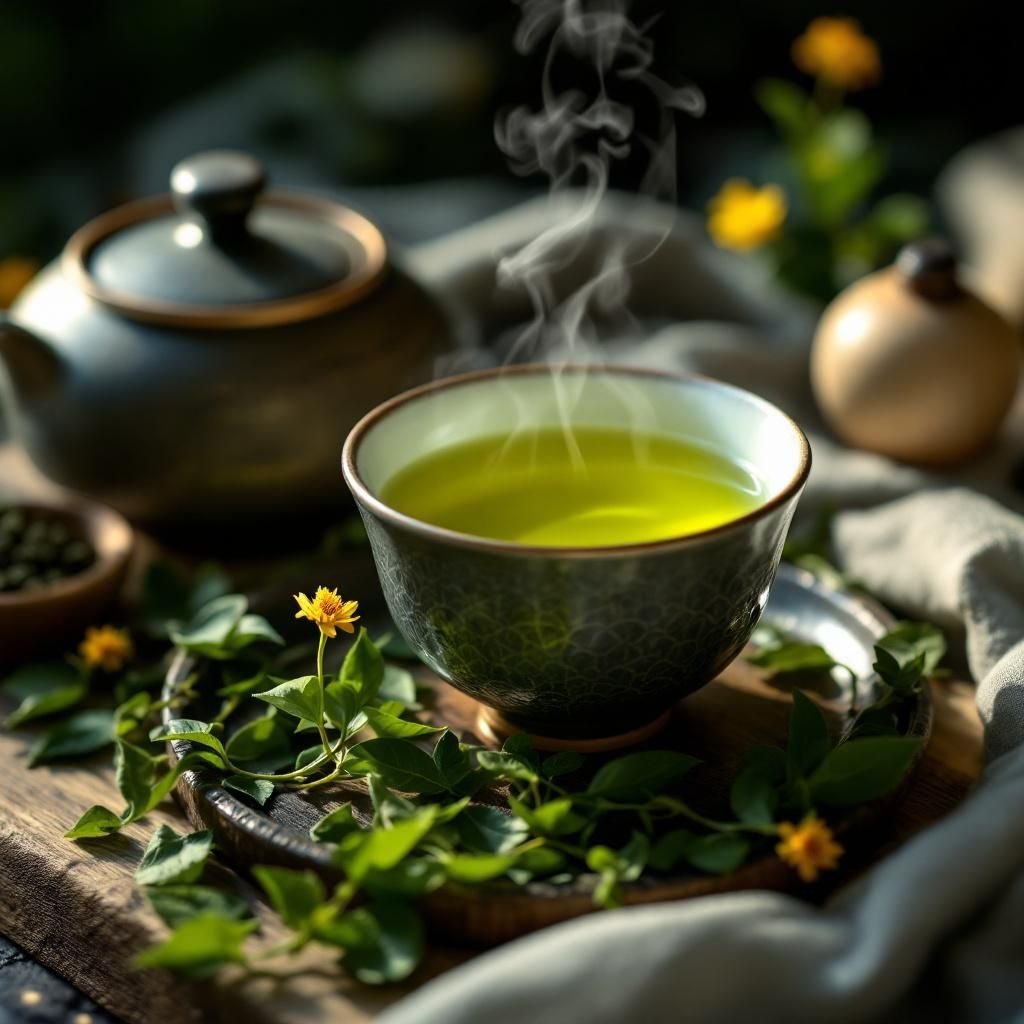
The world of tea is vast and diverse, with each leaf telling a story of its origin, cultivation, and the unique conditions that render its flavor profile unique. But what exactly makes a tea ‘exotic’? Exotic teas are those that come from rare or unusual regions, are produced in limited quantities, or possess a distinctive taste profile that sets them apart from more common varieties. These teas often have a rich cultural heritage and are deeply connected to the regions where they are grown. They may also involve unique processing techniques that contribute to their singular taste and aroma.
Exotic teas might come from remote locations such as the misty mountains of China, the highlands of Sri Lanka, or the lush gardens of Japan. They can include rare types like Yellow Tea, which undergoes a unique ‘yellowing’ process, or Pu-erh, which involves fermentation that alters its composition over time. Furthermore, exotic teas may incorporate unusual ingredients or preparation methods that are not commonly found in mainstream tea offerings. These elements combine to create a tea experience that is both intriguing and memorable, inviting tea enthusiasts to explore the world through their teacups.
Top 10 Exotic Teas to Try
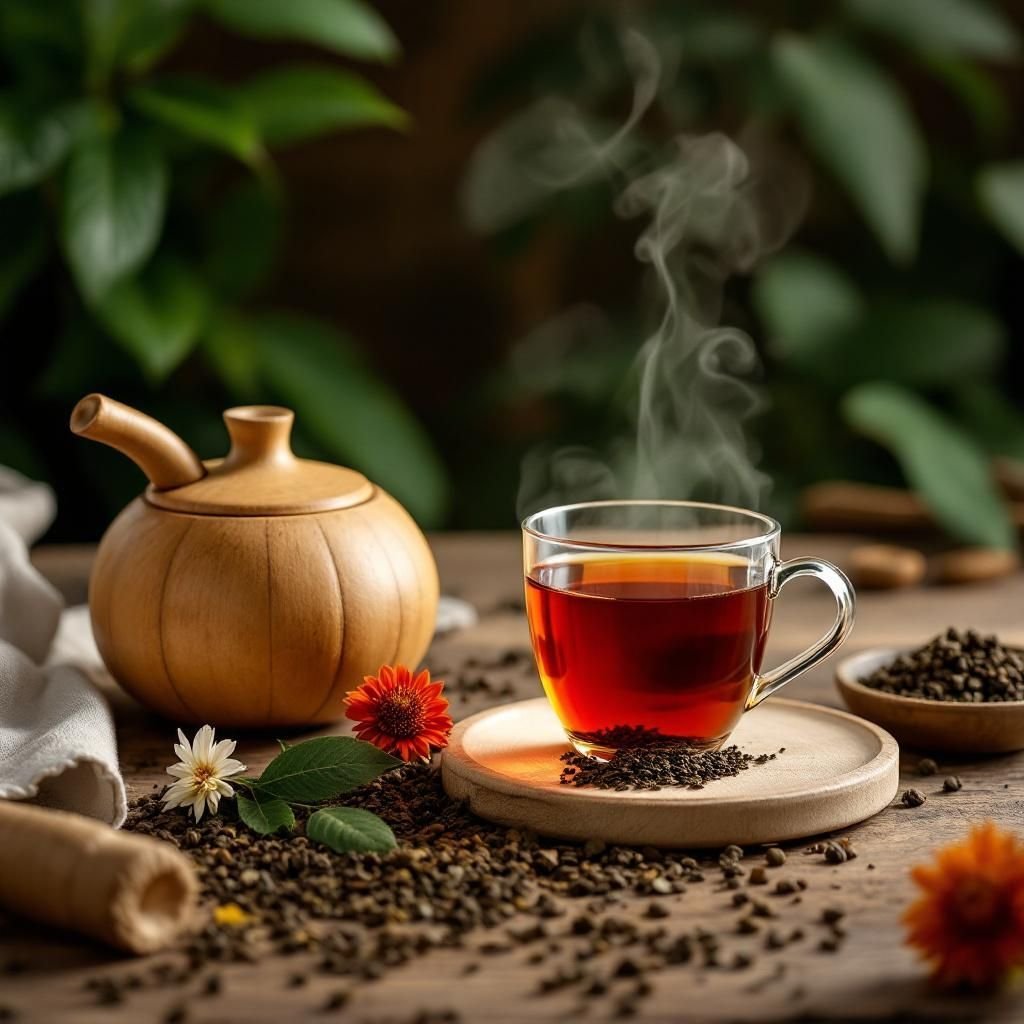
1. Pu-erh Tea
Originating from Yunnan Province in China, Pu-erh tea is known for its rich, deep flavors and distinctive aging process. It’s a fermented tea that can be aged for many years, with some varieties being decades old. The fermentation process gives Pu-erh its characteristic earthy taste and aroma. It’s often enjoyed as a digestive aid after meals and is believed to offer numerous health benefits.
2. Yellow Tea
Yellow tea is a rare and highly prized tea that undergoes a special process known as ‘yellowing’, where the leaves are slightly fermented in a humid environment. This process gives the tea a mellow and smooth flavor, with a subtle sweetness and floral undertones. It is primarily produced in China and is often compared to green tea, although it lacks the grassy notes and has a more complex flavor profile.
3. Gyokuro
Gyokuro is a premium Japanese green tea known for its sweet and mild flavor. It is cultivated under shade for several weeks before harvesting, which enhances its chlorophyll content and gives it a distinct umami taste. The leaves are carefully handpicked and processed to retain their vibrant green color and rich flavor, making it one of the most sought-after teas in Japan.
4. Silver Needle White Tea
Hailing from the Fujian Province of China, Silver Needle is a delicate white tea made from the unopened buds of the tea plant. The buds are covered with fine silvery hairs, giving the tea its name. It is known for its subtle flavor with notes of honey and melon, and its pale, straw-colored liquor. Silver Needle is highly revered for its purity and minimal processing.
5. Darjeeling First Flush
Often referred to as the ‘Champagne of Teas’, Darjeeling First Flush is harvested during the first picking season in the Darjeeling region of India. This tea is known for its light, floral aroma and muscatel flavor. The early harvest results in a tea that is delicate and refreshing, with a bright, golden liquor that is highly prized by tea connoisseurs worldwide.
6. Butterfly Pea Flower Tea
Originating from Southeast Asia, Butterfly Pea Flower Tea is made from the flowers of the Clitoria ternatea plant. It is known for its vibrant blue color, which can change to purple when lemon juice is added. The tea has a mild, earthy flavor and is often used in herbal infusions and mixed drinks. It is also celebrated for its antioxidant properties.
7. Lapsang Souchong
Lapsang Souchong is a distinctive black tea from the Fujian Province of China, known for its smoky flavor. The tea leaves are traditionally smoked over pinewood fires, imparting a unique aroma and taste that sets it apart from other black teas. This robust and full-bodied tea is often enjoyed with savory foods or as a warming beverage during cold months.
8. Matcha
Matcha is a finely ground powder of specially grown and processed green tea leaves. It is a staple in Japanese tea ceremonies and has gained worldwide popularity for its vibrant green color and health benefits. Matcha is rich in antioxidants and offers a smooth, creamy flavor with a hint of sweetness. It is often used in culinary applications beyond tea, such as in lattes, smoothies, and desserts.
9. Moroccan Mint Tea
This refreshing tea is a blend of green tea and fresh mint leaves, traditionally served in Morocco. It is known for its sweet, minty flavor and is often enjoyed as a social beverage. Moroccan Mint Tea is typically served in small glasses, with a generous amount of sugar, and is a staple of Moroccan hospitality.
10. Yerba Mate
Yerba Mate is a traditional South American beverage made from the leaves of the Ilex paraguariensis plant. It is known for its caffeine content and is often consumed as a stimulant. Yerba Mate has a bold, earthy flavor and is traditionally served in a gourd with a metal straw called a bombilla. It is a popular drink in countries like Argentina, Paraguay, and Uruguay.
Where Each Exotic Tea Comes From
Understanding the origins of exotic teas is essential for appreciating their unique characteristics. Pu-erh tea comes from the ancient tea forests of Yunnan Province in China, where the climate and biodiversity contribute to its distinct taste. Yellow tea, with its limited production, is primarily found in China’s Hunan and Anhui provinces. Gyokuro, a hallmark of Japanese tea culture, is cultivated in the Uji region of Kyoto, known for its ideal growing conditions.
Silver Needle White Tea is sourced from the high elevations of Fujian Province, where the cool, misty climate produces the finest buds. Darjeeling First Flush is harvested in the foothills of the Himalayas, where the unique terroir imparts its signature muscatel flavor. Butterfly Pea Flower Tea is native to Thailand and Malaysia, where it has been used for centuries in traditional medicine and cuisine.
Lapsang Souchong is a product of China’s Wuyi Mountains, where the local tradition of smoking tea leaves over pinewood fires originated. Matcha is deeply rooted in Japanese culture, with the best varieties grown in the Uji region. Moroccan Mint Tea, although associated with Morocco, uses green tea imported from China, combined with locally grown mint. Yerba Mate, a staple in South American culture, is harvested in the subtropical regions of Argentina, Paraguay, and Brazil.
How to Source Authentic Exotic Teas
Sourcing authentic exotic teas requires a bit of research and attention to detail. It’s crucial to purchase from reputable tea vendors who specialize in high-quality, single-origin teas. These vendors often provide detailed information about the tea’s origin, harvest date, and processing methods, ensuring authenticity and quality.
Online specialty tea shops often offer a wide selection of exotic teas, with customer reviews and expert tasting notes to guide your selection. Visiting local tea shops or attending tea festivals can also provide opportunities to sample exotic varieties and learn from experienced tea sommeliers. Additionally, some tea estates offer direct purchasing options, allowing you to buy teas straight from the source, which can be an excellent way to ensure authenticity.
When purchasing exotic teas, consider the packaging and storage conditions. High-quality teas should be stored in airtight containers to preserve their freshness and flavor. Look for teas that are packaged in small batches and sold by weight rather than volume, as this often indicates a focus on quality over quantity.
FAQ Section
Explore more on exotic teas with these frequently asked questions:
- Q: What is the rarest tea in the world?
A: Da Hong Pao, a type of oolong tea from China, is considered one of the rarest and most expensive teas due to its limited production and historical significance.
- Q: Are exotic teas healthier than regular teas?
A: Exotic teas often contain unique antioxidants and nutrients, but their health benefits can vary. It’s best to choose based on taste preference and specific health needs.
- Q: How should I store exotic teas?
A: Store exotic teas in a cool, dark place in airtight containers to maintain their freshness and prevent absorption of odors from other foods.
- Q: Can I blend exotic teas with other ingredients?
A: Yes, many exotic teas can be blended with herbs, spices, or fruits to create unique flavor profiles, but it’s essential to balance flavors carefully.
- Q: Where can I find authentic exotic teas online?
A: Reputable online tea vendors like Harney & Sons, Teavivre, and Samovar Tea offer a wide range of authentic exotic teas sourced directly from their regions of origin.
Related Guides
Continue your tea journey with these related articles on SteepedTravels.com:
- Exploring Green Teas: A Comprehensive Guide
- The World of Black Tea: Varieties and Tasting Notes
- Matcha Buying Guide: How to Choose the Best Matcha
- Tea Ceremony Cultures Around the World
- Herbal Teas and Their Health Benefits
Frequently Asked Questions
What is the rarest tea in the world?
Da Hong Pao, a type of oolong tea from China, is considered one of the rarest and most expensive teas due to its limited production and historical significance.
Are exotic teas healthier than regular teas?
Exotic teas often contain unique antioxidants and nutrients, but their health benefits can vary. It’s best to choose based on taste preference and specific health needs.
How should I store exotic teas?
Store exotic teas in a cool, dark place in airtight containers to maintain their freshness and prevent absorption of odors from other foods.
Can I blend exotic teas with other ingredients?
Yes, many exotic teas can be blended with herbs, spices, or fruits to create unique flavor profiles, but it’s essential to balance flavors carefully.
Where can I find authentic exotic teas online?
Reputable online tea vendors like Harney & Sons, Teavivre, and Samovar Tea offer a wide range of authentic exotic teas sourced directly from their regions of origin.
yes