
Title: How to Pack for an International Tea Tour: Gear & Etiquette
Length: 16789
Summary: Packing for an international tea tour requires a thoughtful mix of travel essentials and tea-specific gear. From portable gaiwans and tasting journals to proper footwear for mountain plantations, this guide covers everything you need for a seamless tea origin adventure across Asia, Africa, and beyond.
Table of Contents
Packing for an International Tea Tour: The Essentials
Embarking on an international tea tour is an exciting journey for any tea aficionado. Whether you’re visiting the lush estates of India, the serene plantations of Japan, or the vibrant tea markets of Africa, packing smartly is crucial. This guide will walk you through the essential items you need for your tea travel and provide tips on etiquette to ensure you make the most of your experience.
Understanding the Climate and Terrain
Before you start packing, it’s essential to research the climate and terrain of your destination. Tea plantations are often located in hilly or mountainous regions, which can be cooler than the surrounding areas. For example, Darjeeling in India and the highlands of Sri Lanka can be quite chilly, especially in the mornings and evenings. Pack layered clothing, including a warm jacket, to accommodate the varying temperatures. Comfortable walking shoes with good grip are also necessary for navigating uneven terrain.
Tea Travel Essentials: The Ultimate Packing List
Your packing list for tea travel should focus on both comfort and practicality. Here’s a comprehensive checklist to ensure you have everything you need:
Clothing and Footwear
- Lightweight, breathable clothing: Opt for natural fabrics like cotton or linen that allow your skin to breathe.
- Waterproof jacket: A must-have for unexpected rain showers common in tea-growing regions.
- Comfortable walking shoes: Essential for exploring tea plantations and villages.
- Sun hat and sunglasses: Protect yourself from the sun during outdoor tours.
Travel Gear
- Backpack: Use a small daypack to carry essentials during your day trips.
- Reusable water bottle: Stay hydrated, especially in warmer climates.
- Camera: Capture the breathtaking landscapes and moments during your tea tour.
- Travel adapter: Ensure your electronic devices can be charged in different countries.
Health and Safety Supplies
- First aid kit: Include band-aids, antiseptic wipes, and any prescription medications.
- Sunscreen and insect repellent: Protect your skin from UV rays and mosquitoes.
- Hand sanitizer: Useful for maintaining hygiene where soap and water are unavailable.
Tea Tasting Etiquette: Tips for International Ceremonies
Tea tasting is often accompanied by various cultural ceremonies that require specific etiquette. Understanding these nuances will show respect for local traditions and enhance your experience.
Understanding Local Customs
Before attending a tea ceremony, take time to learn the local customs. In Japan, for example, the tea ceremony is a highly ritualized practice that emphasizes harmony, respect, and tranquility. Participants are expected to bow before entering the tea room and to handle utensils with care.
Respecting the Host
Always show gratitude to your host, whether they are a professional tea master or a local farmer. A simple thank you in the local language can go a long way. In China, it’s customary to tap your index and middle fingers on the table as an expression of thanks when someone pours tea for you.
Participating in Tea Discussions
Engage in conversations about tea with curiosity and openness. You can learn a lot by asking questions about the types of tea being served, their origins, and the specific brewing methods used. This not only enriches your knowledge but also shows respect for the tea culture.
Specialized Gear for Plantation Tours
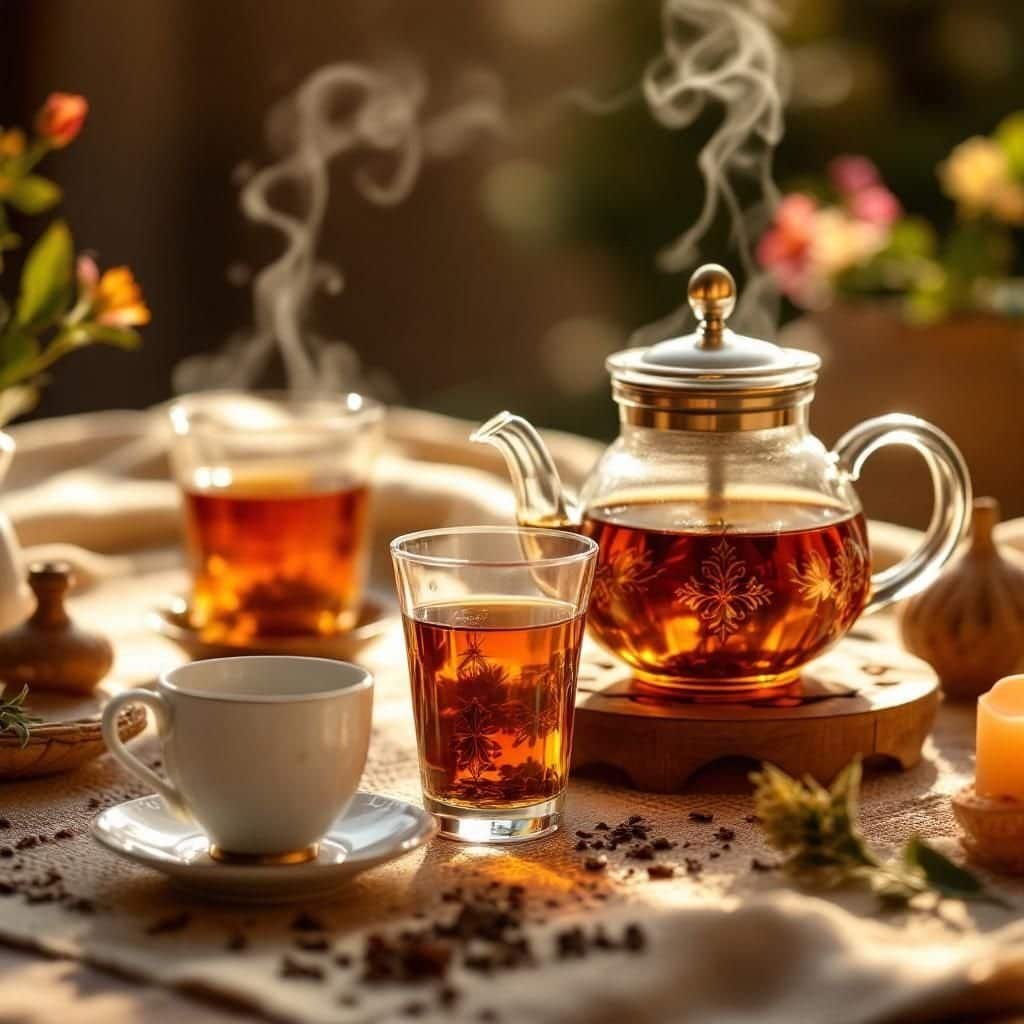
Visiting tea plantations requires some specialized gear to ensure you are prepared for the unique conditions you may encounter.
Binoculars
Tea plantations are often home to diverse wildlife. A pair of binoculars can enhance your experience by allowing you to observe birds and other animals from a distance without disturbing them.
Field Notebook
A small notebook is invaluable for jotting down observations, notes from guides, and your own thoughts. This can be particularly useful if you are documenting your journey for personal or professional reasons.
Protective Clothing
If you plan to engage in hands-on activities like tea picking, consider packing gloves and long sleeves to protect against insects and sun exposure.
Planning and Itinerary Tips
Creating a detailed itinerary can greatly enhance your tea travel experience. Here are some tips to help you plan effectively:
Research Tea Estates in Advance
Identify the tea estates you wish to visit and check if they offer tours or tastings. Some estates require advance booking, so plan accordingly to avoid disappointment.
Balance Your Schedule
While it might be tempting to pack your days with activities, remember to schedule downtime. Use this time to reflect on your experiences, enjoy a leisurely cup of tea, or explore the local area at your own pace.
Include Cultural Experiences
Beyond tea-related activities, immerse yourself in the local culture by visiting historical sites, attending festivals, or sampling regional cuisine. This holistic approach enriches your travel experience and provides a deeper understanding of the region.
Conclusion: Ready for Your Tea Pilgrimage
Packing for an international tea tour requires thoughtful preparation and an appreciation for cultural nuances. By following this guide, you’ll be well-equipped to enjoy a fulfilling and respectful journey through some of the world’s most beautiful tea regions. Remember, the key to a successful tea pilgrimage is not just in the gear you bring, but in the open-mindedness and respect you show to the cultures you encounter.
Related Guides
- Tea Tour in Darjeeling
- Visiting Sri Lanka’s Tea Estates
- Japanese Tea Ceremony Guide
- Exploring African Tea Culture
- Planning Your Tea Travel
What should I wear to a tea plantation tour?
Wear comfortable, breathable clothing and sturdy walking shoes.
Do I need to book tea plantation tours in advance?
Yes, it’s advisable to book in advance as some estates have limited visitor slots and can fill up quickly.
What are some common tea tasting etiquettes?
Be respectful, listen attentively to the host, and participate in any local customs.
What kind of gear is essential for a tea tour?
Apart from clothing, a backpack, camera, binoculars, and field notebook are useful.
Can I purchase tea directly from the plantations?
Yes, most plantations offer their teas for sale, often at a better price than in retail outlets.


Frequently Asked Questions
What should I pack for a tea tour in Asia?
Pack lightweight, breathable clothing, a portable tea set (gaiwan or small teapot), a tasting journal, comfortable walking shoes for plantations, a universal adapter, and reusable water bottles. Bring layers for mountain regions like Darjeeling or Alishan where temperatures drop significantly.
Do I need a visa for tea tourism in China, India, or Taiwan?
Most travelers need visas for China and India; Taiwan offers visa-free entry for many nationalities up to 90 days. Always check current requirements at least 6-8 weeks before departure and ensure your passport has 6+ months validity.
How much should I budget for an international tea tour?
Budget $2,500-$5,000 per person for a 7-10 day tour including flights, mid-range accommodation, guided estate visits, meals, and tea purchases. Luxury estate stays and private tastings can increase costs to $7,000+.
What is the best time of year to visit tea regions?
Spring (March-May) is ideal for first-flush harvests in India and China. Autumn (September-November) offers comfortable weather across most regions. Avoid monsoon seasons in South Asia (June-August) and typhoon season in Taiwan (July-September).
Can I buy tea directly from estates during a tour?
Yes, most tea estates sell their finest lots directly to visitors at competitive prices. Bring cash in local currency as some smaller estates do not accept cards. Be aware of customs limits when returning home — typically 1-2 kg of tea is duty-free.
Is travel insurance necessary for tea tourism?
Absolutely. Choose a policy covering adventure activities (mountain trekking), trip cancellation, and medical evacuation. Some remote tea regions lack immediate medical facilities, so comprehensive coverage is essential.
Start Planning Your Tea Adventure
Ready to pack your bags? Explore our tea destination guides and latest travel inspiration to plan the perfect tea tour. Have a packing tip we missed? Share it in the comments!