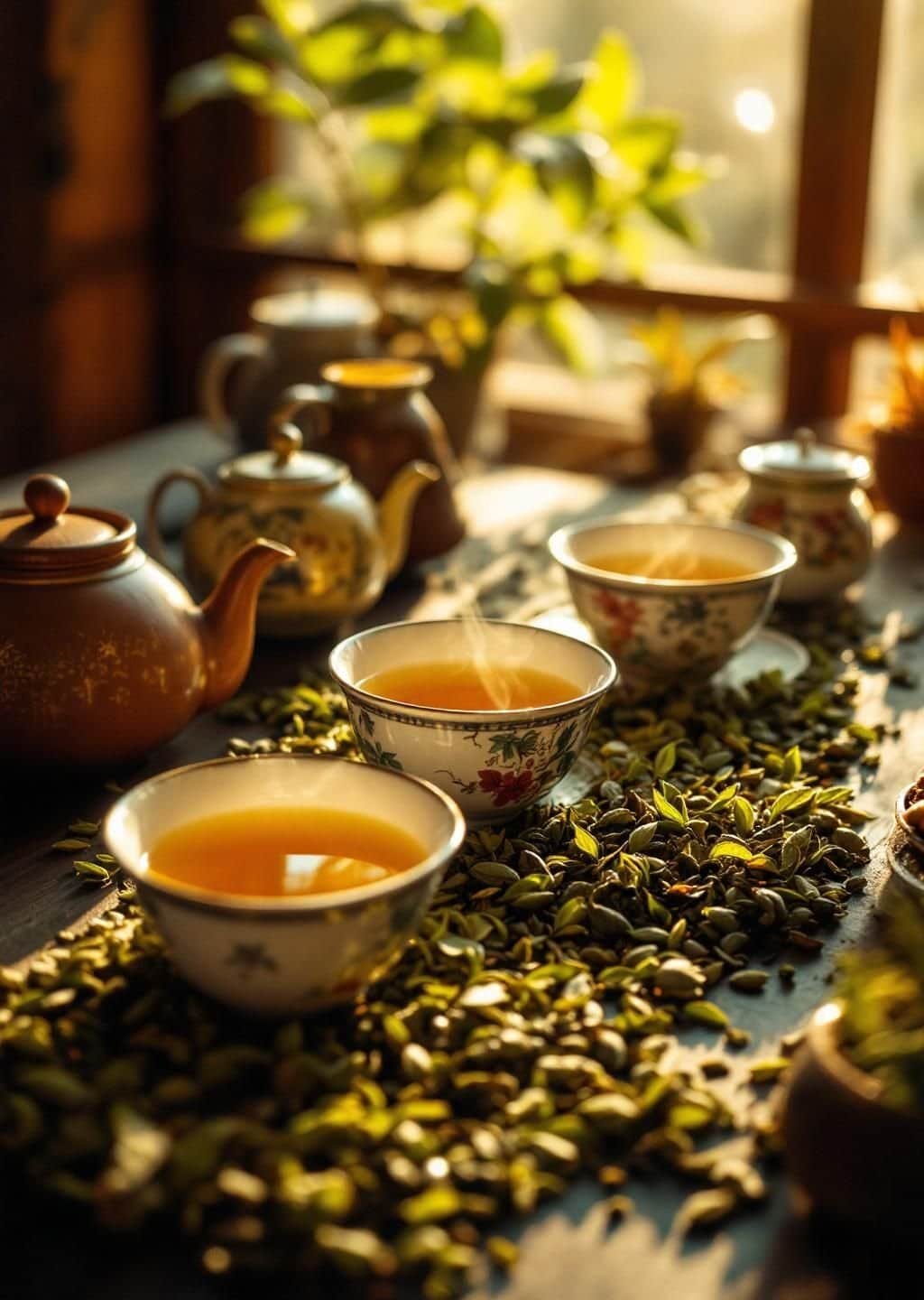
Understanding the Basics of Tea Tasting
Tea tasting, much like wine tasting, is an art that requires a keen sense of observation and a willingness to explore. It involves analyzing the flavors, aromas, and overall characteristics of tea. For a beginner, understanding the basics is crucial to developing a refined palate.
Learning how to taste tea like a pro opens up a world of flavor, culture, and travel. This beginner’s guide covers essential tasting techniques, preparation tips, and cultural insights to help you develop your palate and appreciate tea traditions around the globe. Start your journey to becoming a true tea connoisseur today!
The Importance of Tea Tasting Notes
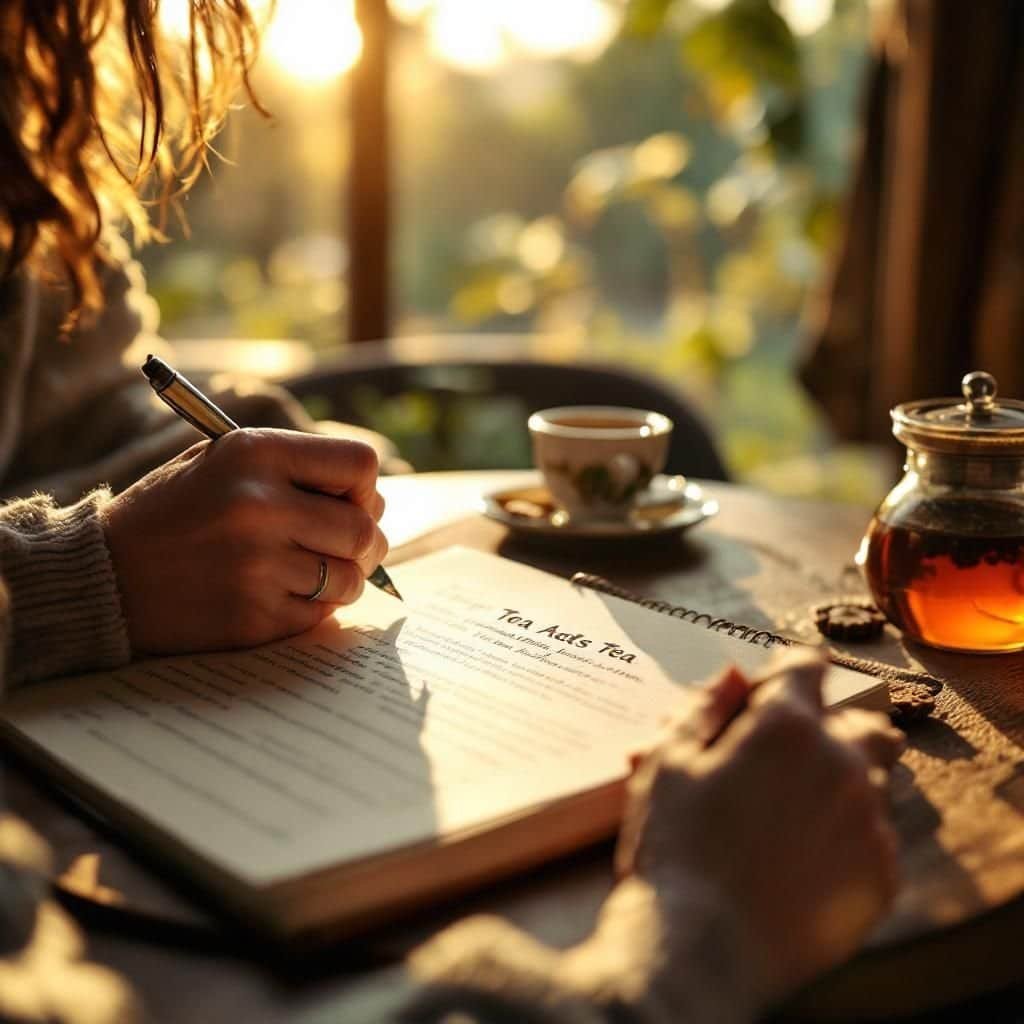
Tea tasting notes are essential for documenting your experiences. They help you remember the specific flavors and aromas of different teas and track your own taste preferences over time. By keeping detailed notes, you can begin to identify patterns and preferences in your palate.
When writing tea tasting notes, consider describing the color, aroma, flavor, and mouthfeel of the tea. This practice not only sharpens your sensory evaluation skills but also helps in comparing different teas.
What is Tea Sensory Evaluation?
Tea sensory evaluation is a systematic approach to assessing the quality of tea. It involves using your senses to judge the tea’s appearance, aroma, taste, and texture. Sensory evaluation is a skill that improves with practice, allowing you to discern subtle differences among various types of tea.
This process is crucial for anyone serious about tea, whether for personal enjoyment or professional pursuits. By honing your sensory evaluation skills, you can appreciate the complexities of tea more fully.
Preparing for a Tea Tasting Session
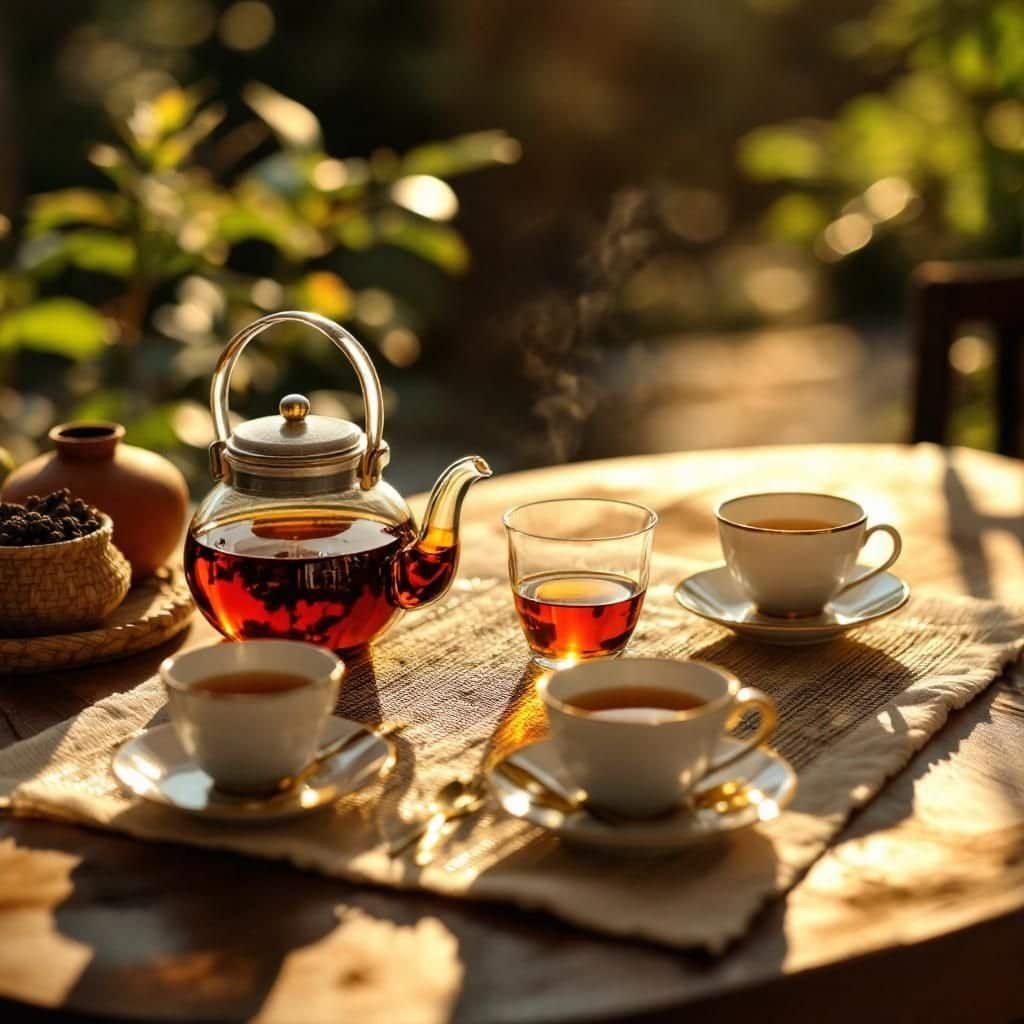
Before you begin tasting, it’s important to prepare your space and materials. A proper setup ensures you can focus completely on the tea without distractions.
Choosing the Right Teas
Select a variety of teas to taste, ideally from different categories such as white, green, oolong, black, and herbal teas. Start with a manageable number, such as three to five teas, to avoid overwhelming your senses.
Ensure that the teas you select are fresh and of good quality. Freshness greatly impacts the flavor and aroma of tea, making a significant difference in your tasting experience.
Setting Up Your Tasting Space
Find a quiet, well-lit area free from strong odors. Gather your equipment, including a kettle, cups, a timer, and a notepad for taking notes. Ensure you have clean, filtered water, as the quality of water can affect the taste of the tea.
Arrange your teas and tasting tools neatly, allowing enough space to work comfortably. A clutter-free environment helps you concentrate on the tasting process.
Conducting a Tea Tasting Session
With your preparations done, it’s time to start the tasting. Follow these steps to ensure a comprehensive evaluation.
Step 1: Observing the Dry Leaves
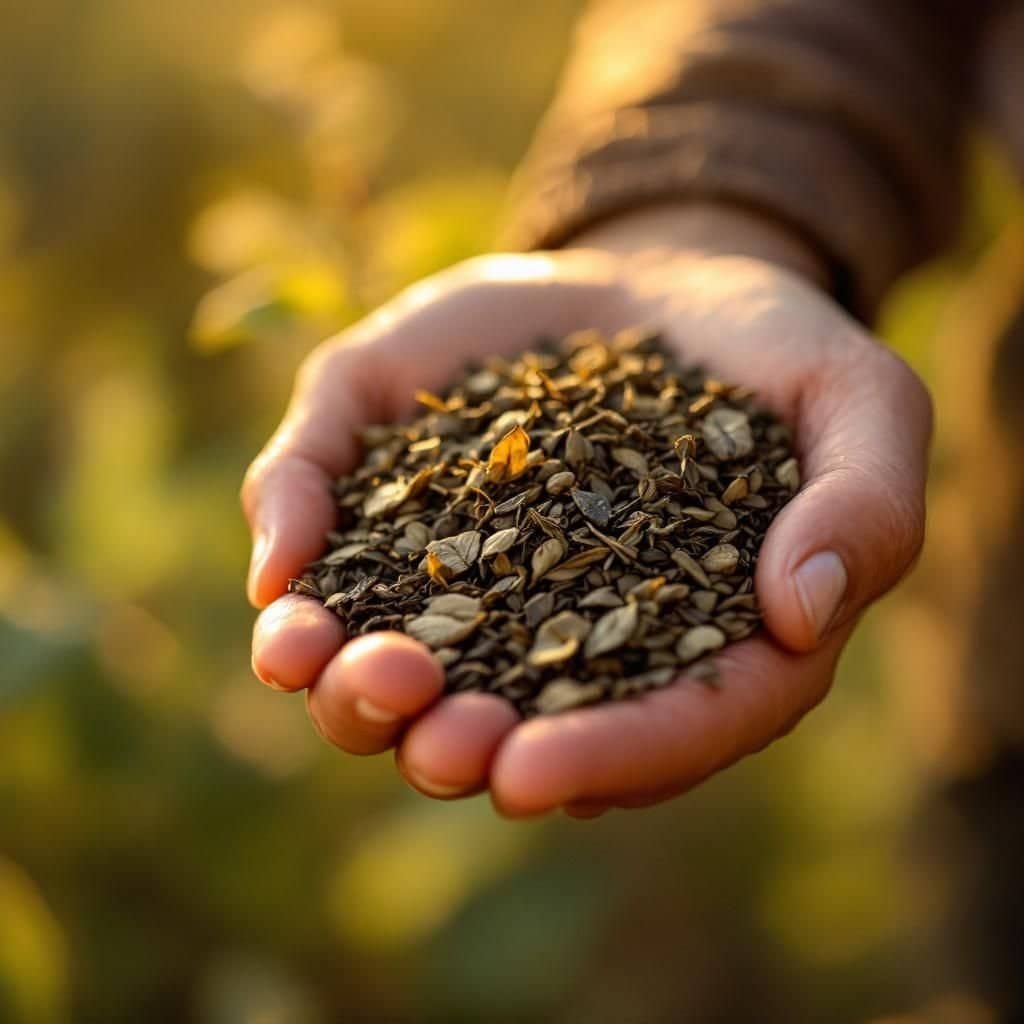
Begin by examining the dry leaves. Note their color, shape, and size. High-quality teas usually have whole leaves with a vibrant color. The appearance of dry leaves can give clues about the tea’s processing and quality.
Step 2: Smelling the Dry Leaves
Gently warm the dry leaves in your hands or cup and bring them to your nose. Inhale deeply to capture the initial aroma. This first impression can be a powerful indicator of the tea’s flavor profile.
Step 3: Brewing the Tea
Follow the recommended brewing instructions for each type of tea. Use the correct water temperature and steeping time to bring out the best flavors. Pay attention to the color of the liquor as it develops.
Step 4: Tasting the Tea
When the tea is ready, take a small sip, allowing the liquid to move around your mouth. Focus on the primary flavors and any subtle undertones. Consider the balance of flavors, the acidity, and the texture of the tea.
Some tea tasters like to slurp the tea, introducing air to enhance the aromas. This technique can help you detect more nuanced flavors.
Step 5: Evaluating the Aftertaste
The aftertaste is the lingering flavor that remains after you have swallowed the tea. A good quality tea will have a pleasant, lasting aftertaste that complements its initial flavors.
Take notes on the aftertaste, as it can often reveal hidden characteristics of the tea.
Developing Your Palate
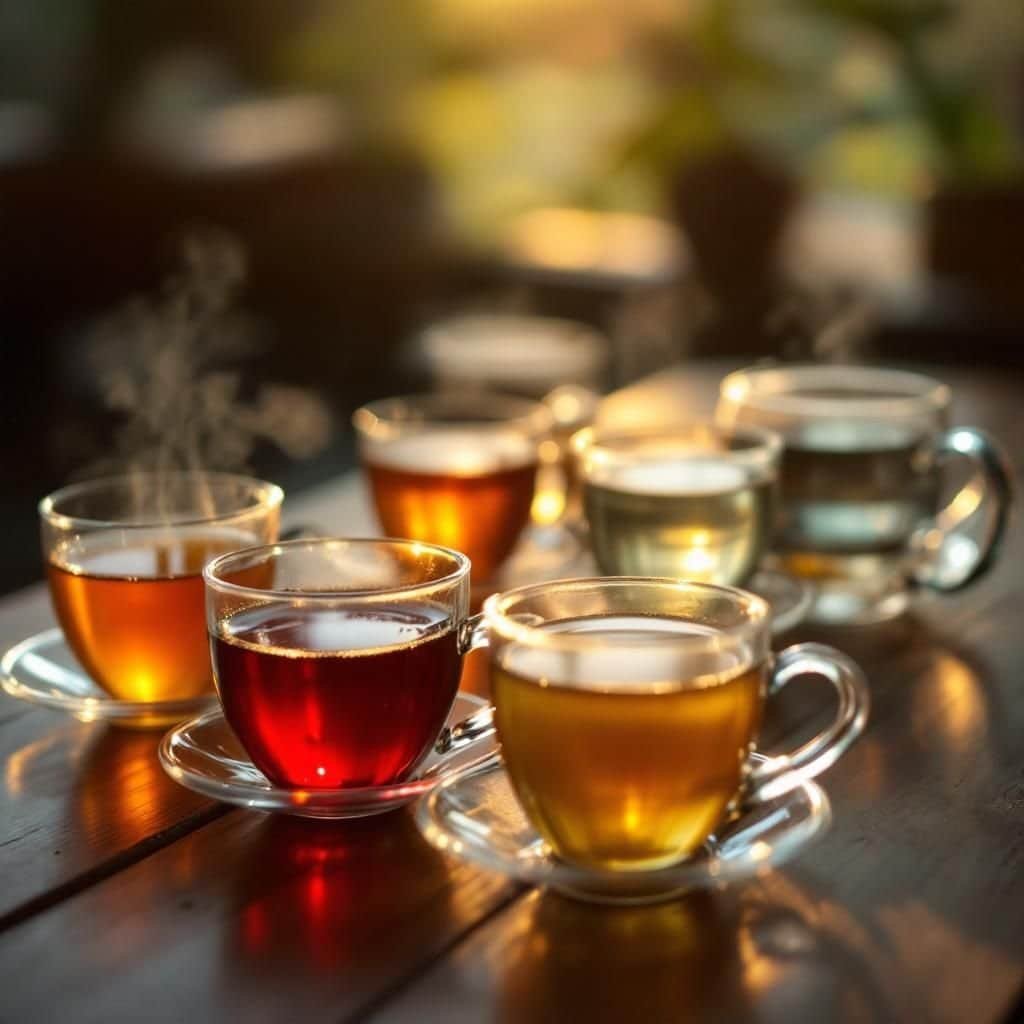
As you continue to practice, you’ll notice an improvement in your ability to discern different flavors and aromas. Developing your palate is a gradual process that requires patience and persistence.
Expanding Your Flavor Vocabulary
To articulate your tasting experiences more precisely, expand your flavor vocabulary. Familiarize yourself with common tea descriptors such as floral, fruity, nutty, earthy, and spicy. This knowledge will help you communicate your tasting notes more effectively.
Consider keeping a flavor wheel or chart nearby during tastings. Many tea cultures, such as those in China and Japan, have their own unique descriptors and tasting traditions—exploring these can deepen your appreciation and understanding of tea’s global diversity.
Regular Practice and Exploration
Regularly taste a variety of teas to broaden your experience. Experiment with different brewing methods and try teas from various regions to appreciate the diversity of flavors and aromas available.
Participating in tea tasting workshops or joining a tea club can also enhance your learning journey, providing opportunities to share insights and learn from others.
Traveling to tea-producing regions—such as Darjeeling in India, Uji in Japan, or the Wuyi Mountains in China—offers immersive experiences that can transform your understanding of tea. Many estates offer guided tastings, factory tours, and even hands-on plucking sessions for visitors.
Tea Tasting Around the World: Travel Tips & Cultural Insights
One of the most rewarding aspects of tea tasting is exploring the world’s diverse tea cultures. Each region has its own unique approach to growing, processing, and enjoying tea. Here are some travel tips and cultural insights to enrich your tea journey:
- China: The birthplace of tea, China offers a vast array of experiences, from traditional gongfu tea ceremonies in Fujian to bustling tea markets in Yunnan. Don’t miss the chance to visit a local teahouse, where you can observe centuries-old brewing techniques and sample rare teas like Da Hong Pao or Longjing.
- Japan: Japanese tea culture is deeply rooted in ritual and aesthetics. In Kyoto’s Uji region, you can participate in a formal matcha ceremony or tour lush green tea fields. Many tea houses offer short courses on whisking matcha and understanding the philosophy behind the Japanese tea ceremony (chanoyu).
- India: From the rolling hills of Darjeeling to the lush estates of Assam and Nilgiri, India’s tea regions are a paradise for travelers. Many estates offer homestays, guided tastings, and even tea-plucking experiences. Don’t forget to try a cup of authentic masala chai at a local market.
- Taiwan: Renowned for its high-mountain oolongs, Taiwan is a must-visit for serious tea lovers. The Alishan and Lishan regions are famous for their scenic beauty and welcoming tea farmers. Join a tea master for a gongfu brewing session and learn about the island’s unique terroir.
- Sri Lanka: Formerly known as Ceylon, Sri Lanka’s tea country is dotted with colonial-era plantations and scenic train routes. Take a guided tour of a tea factory in Nuwara Eliya or Ella, and enjoy panoramic views of emerald-green hills while sipping freshly brewed Ceylon tea.
- Morocco: While not a tea-growing country, Morocco’s mint tea culture is legendary. Visit a traditional riad in Marrakech to experience the art of pouring and savoring sweet, fragrant mint tea—a symbol of hospitality and friendship.
When planning your tea travels, consider booking a local guide or joining a small-group tour focused on tea. This not only supports local communities but also provides deeper cultural context and access to hidden gems off the tourist trail.
Costs and Best Times to Visit Tea Regions
Traveling for tea can be as budget-friendly or luxurious as you wish. Here’s what to expect in terms of costs and timing:
- China: Entry to tea gardens and markets is often free or low-cost, but guided tours and tastings can range from $10 to $50 USD. Spring (March–May) is the best time to visit for fresh green teas and vibrant festivals.
- Japan: Tea ceremonies and farm tours typically cost $20–$60 USD. The first flush (shincha) season in late April to early May is ideal for tea lovers, while autumn offers beautiful foliage in tea regions.
- India: Estate tours and tastings are usually $5–$30 USD. The best time to visit Darjeeling is March–May (first flush) or October–November (autumn flush). Assam and Nilgiri are best visited during the cooler months (November–February).
- Taiwan: Oolong farm visits and tastings range from $10–$40 USD. Spring and autumn are prime seasons for tea harvests and festivals.
- Sri Lanka: Factory tours cost $5–$15 USD. January to March is the best time for the western tea regions, while July to September is ideal for the eastern estates.
Many tea estates offer accommodation, from rustic homestays to luxury lodges, with prices ranging from $30 to $300+ USD per night. Booking in advance is recommended during harvest seasons and festivals.
Local Customs and Etiquette
Respecting local customs enhances your tea travel experience and fosters meaningful connections. Here are a few etiquette tips:
- China: When offered tea, accept with both hands as a sign of respect. It’s polite to tap your fingers on the table to thank the person pouring your tea.
- Japan: Bow slightly when receiving tea, and avoid talking loudly during a tea ceremony. Savor each sip mindfully, appreciating the aesthetics and ritual.
- India: In rural areas, tea is often shared in small clay cups (kulhads). Accepting a refill is a gesture of hospitality—don’t refuse unless you must.
- Taiwan: During gongfu sessions, it’s customary to admire the aroma of the leaves before tasting. Compliment your host on the tea’s fragrance and flavor.
- Sri Lanka: Remove your shoes before entering a tea worker’s home or certain tea rooms. Always greet elders and hosts with a smile and a gentle nod.
- Morocco: Mint tea is poured from a height to create foam. It’s polite to accept at least one glass, even if you don’t finish it.
Learning a few words in the local language—such as “thank you” or “delicious”—goes a long way in building rapport with tea farmers and hosts. Always ask before taking photos, especially in private or sacred spaces.
Conclusion
Learning how to taste tea like a pro is a rewarding journey that opens up a world of flavors and experiences. By understanding the basics, preparing adequately, and practicing regularly, you can develop a sophisticated palate and deepen your appreciation for this timeless beverage.
Whether you’re a casual tea drinker or aspiring connoisseur, tea tasting is an enjoyable way to explore the rich diversity of tea and elevate your drinking experience.
Frequently Asked Questions
What is the first step in tea tasting?
The first step is observing and smelling the dry leaves to gather initial impressions about the tea’s quality and potential flavors.
How can I improve my tea tasting skills?
Regular practice, expanding your flavor vocabulary, and participating in tea tasting workshops can enhance your skills.
Why is water quality important in tea tasting?
Water quality affects the taste of tea, with clean, filtered water recommended for the best flavors.
How do I write effective tea tasting notes?
Document the color, aroma, flavor, and mouthfeel in detail. Use descriptive language to capture your sensory experiences.
What equipment do I need for a tea tasting session?
You’ll need a kettle, cups, a timer, and a notepad. Ensure you have quality water and a quiet space for the session.
Plan Your Tea Journey
Ready to take your tea tasting skills from your kitchen to the world’s most breathtaking tea regions? Start planning your own tea adventure—whether it’s a guided estate tour in Darjeeling, a matcha ceremony in Kyoto, or a hands-on plucking session in Sri Lanka. Subscribe to our newsletter for exclusive travel tips, curated tea itineraries, and insider deals. Let Steeped Travels be your guide to unforgettable tea experiences—sip, savor, and explore!