
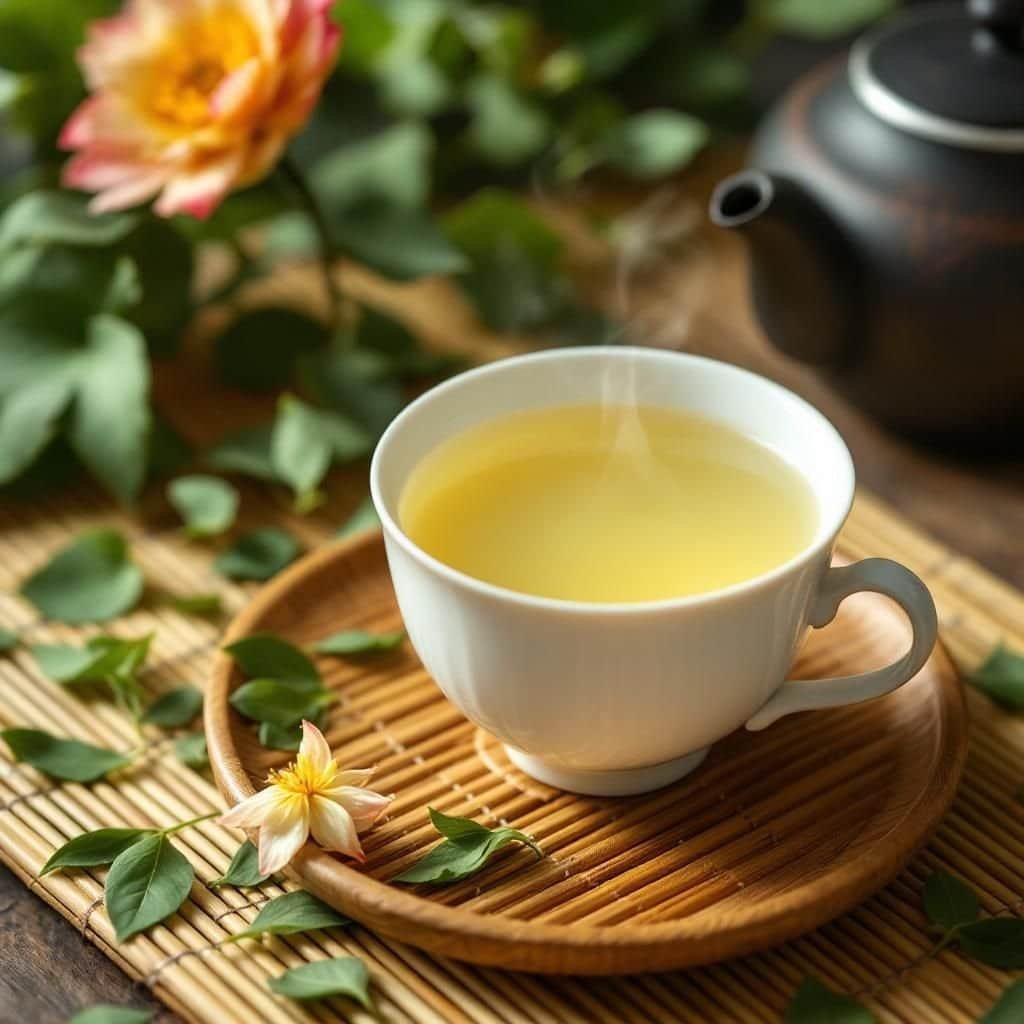
Key Takeaway: Vietnam offers exceptional luxury tea estate stays across its northern highlands, from the misty Moc Chau plateaus to the rolling hills of Lam Dong. Visitors can experience hands-on tea harvesting, traditional oolong processing, and farm-to-cup tastings while staying at boutique lodges surrounded by centuries-old tea gardens. The best seasons are March–May and September–November.
Quick Facts Box
- Country: Vietnam
- Region: Moc Chau, Lam Dong
- Best Time to Visit: March to May, September to November
- Currency: Vietnamese Dong (VND)
- Language: Vietnamese
- Visa Requirements: Visa required for most non-ASEAN countries
Introduction with Destination Overview
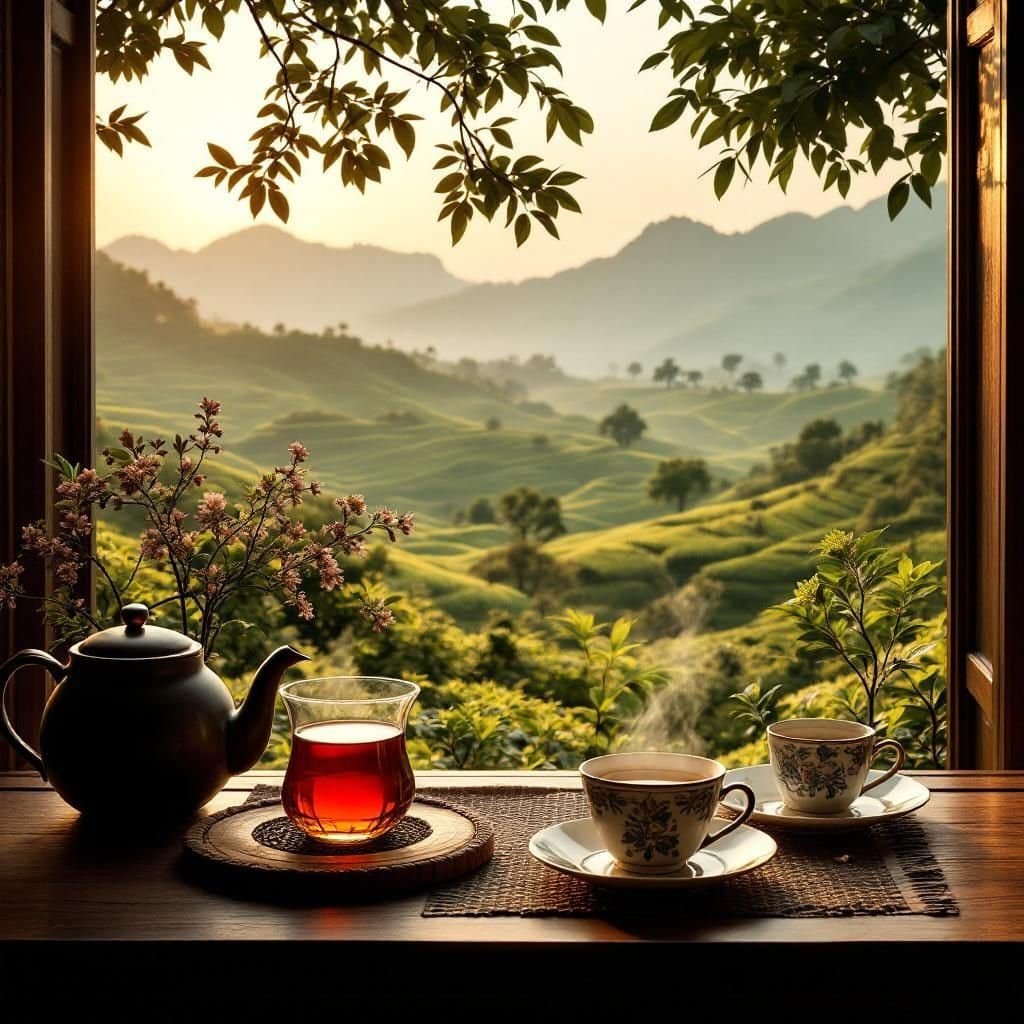
Vietnam, a country celebrated for its rich cultural tapestry and breathtaking landscapes, offers a unique opportunity for travelers seeking a blend of luxury and tradition through its tea plantation stays. Set amidst verdant hills, these tea estates provide not only a retreat into nature but also a deep dive into the heart of Vietnam’s tea culture. From the misty highlands of Moc Chau to the serene landscapes of Lam Dong, luxury tea retreats in Vietnam offer an unparalleled experience that combines opulent accommodation with authentic tea experiences.
Best Tea Regions
Moc Chau Tea Highlands
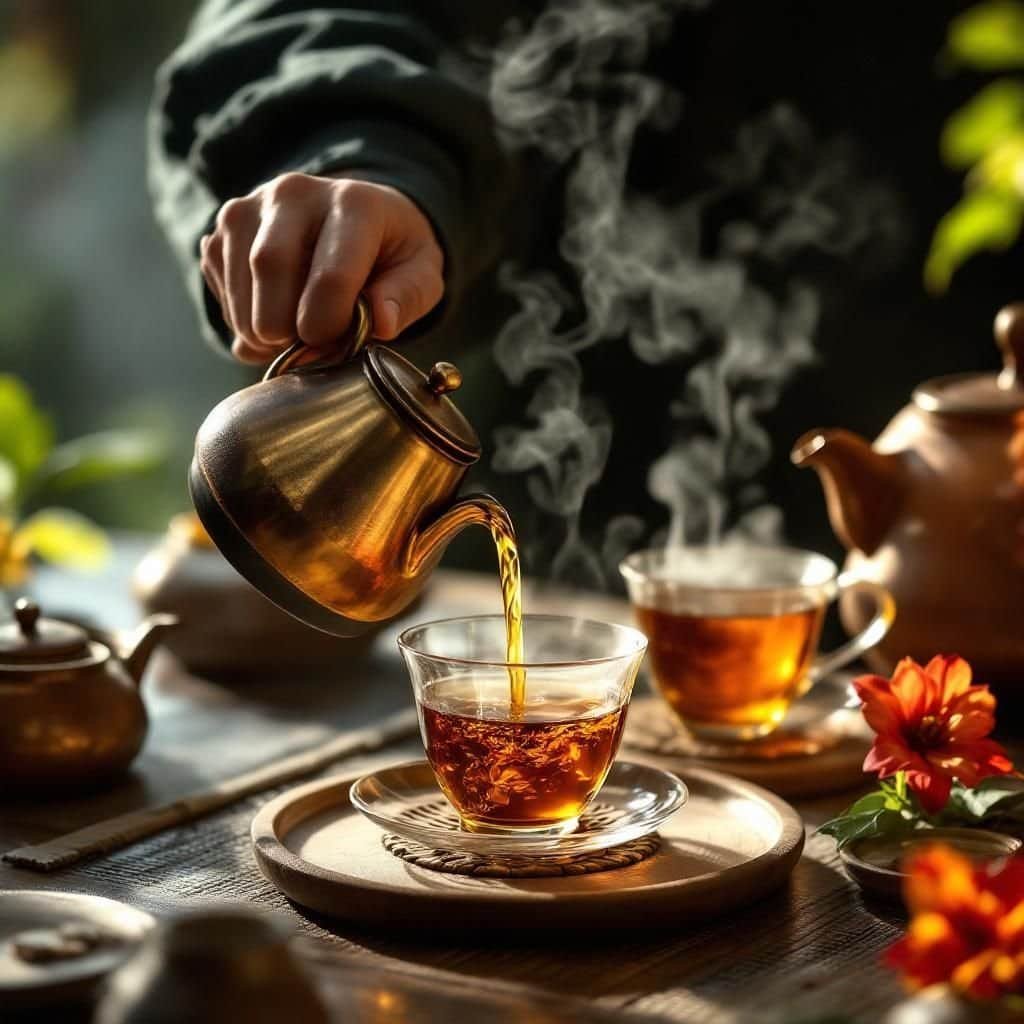
Located in the northern part of Vietnam, the Moc Chau tea highlands are renowned for their sprawling tea gardens and cool climate. This region is famous for its green tea production, and visitors can witness the meticulous process of tea cultivation and production. The Moc Chau region is dotted with several luxurious accommodations that offer panoramic views of the tea gardens, allowing guests to soak in the tranquility of the highlands while indulging in premium tea tastings.
Lam Dong Province
In the central highlands, Lam Dong province stands out as a leading destination for tea tourism in Vietnam. Known for its diverse range of teas, including oolong and black tea, this region is home to some of the most exclusive tea estates and luxury resorts. The cool, temperate climate of Lam Dong makes it an ideal place for tea cultivation, and the local resorts offer guided tours of tea factories, tea tasting sessions, and even tea-infused spa treatments. For more inspiration, see our guide to Luxury Tea Retreats: The Most Exclusive Tea Resorts in Taiwan.
Types of Tea Produced
Green Tea
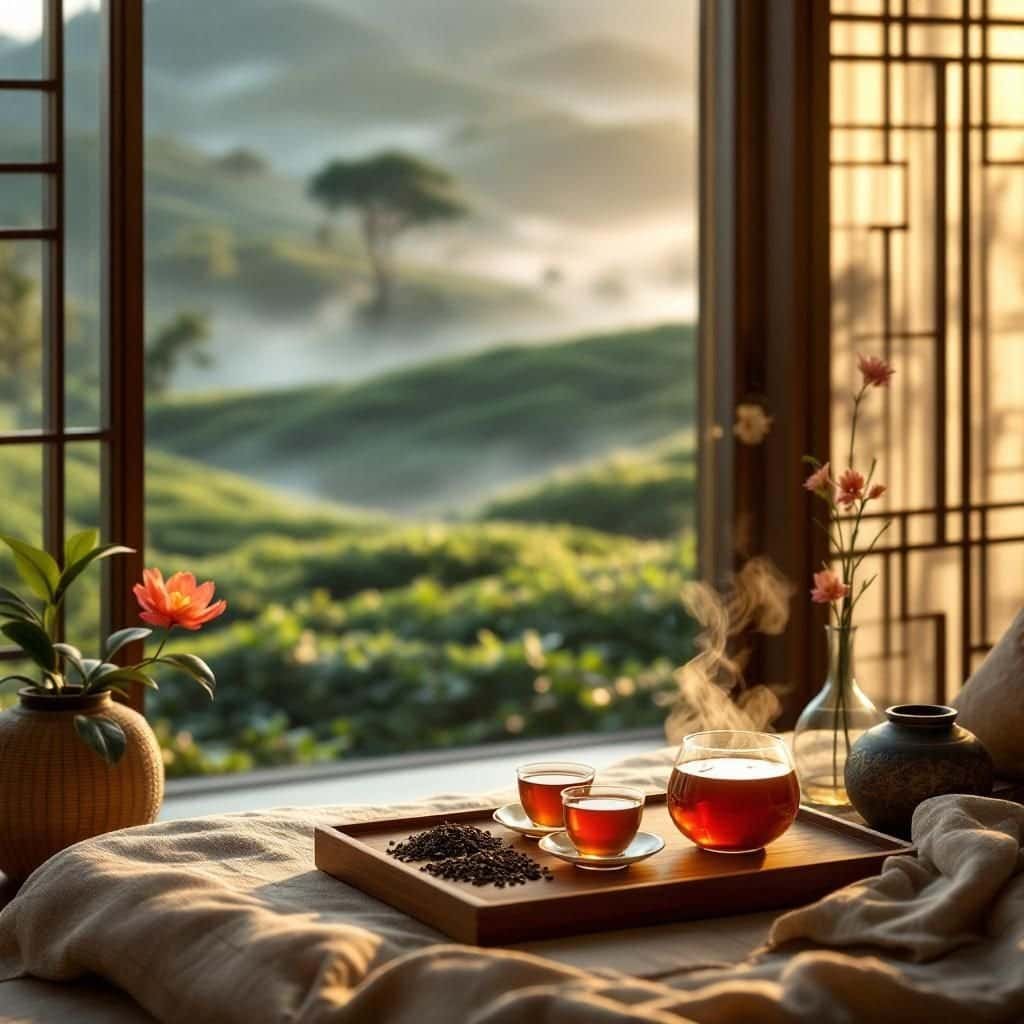
Green tea is one of the most widely produced teas in Vietnam, particularly in the Moc Chau highlands. Known for its fresh, grassy flavor and vibrant color, Vietnamese green tea is a staple in local culture. Tasting notes often include hints of floral and nutty undertones, with a sweet finish.
Oolong Tea
Oolong tea, predominantly produced in the Lam Dong region, is valued for its unique flavor profile that lies between green and black tea. It has a rich, aromatic scent with a smooth, sweet taste, featuring notes of fruit and floral.
Black Tea
Black tea from Vietnam is robust and full-bodied, often with a malty, sweet flavor. It is commonly produced in both Moc Chau and Lam Dong, where the high altitudes and cool climates contribute to its distinctive taste. You might also enjoy Tea Trekking in Ha Giang: A Guide to Northern Vietnam’s Ancient Tea Trees.
Tea Tourism Experiences
Vietnam’s tea plantations offer a variety of immersive experiences for tourists. At these luxury tea retreats, guests can partake in guided tea tastings that showcase the region’s best brews, often paired with traditional Vietnamese snacks. Guests can enjoy comprehensive tours of tea factories, learning about the intricate processes of tea production from plucking to packaging. Many estates also offer tea ceremonies, which provide insight into the cultural significance of tea in Vietnam.
Best Time to Visit
The optimal time to visit Vietnam’s tea plantations is during the spring and autumn months, from March to May and September to November. During these periods, the weather is mild and pleasant, ideal for exploring the lush green landscapes of the tea estates. The monsoon season from June to August can be quite wet, which might hinder outdoor activities.
How to Get There
Traveling to Vietnam’s tea regions is relatively straightforward. For Moc Chau, visitors typically fly into Hanoi and take a scenic drive of about 200 kilometers to reach the highlands. For Lam Dong, Dalat is the main gateway, with regular flights from major Vietnamese cities like Ho Chi Minh City and Hanoi. From Dalat, it’s a short drive to the tea plantations.
Where to Stay
Luxury Resorts in Lam Dong
Lam Dong offers several luxury accommodations that cater to tea enthusiasts. Dalat Edensee Lake Resort & Spa is a top choice, offering opulent villas with views over Tuyen Lam Lake and access to nearby tea estates. The Ana Mandara Villas Dalat Resort & Spa provides a colonial-style experience with modern amenities, situated amidst lush gardens and tea plantations.
Tea Estate Stays in Moc Chau
In Moc Chau, the Mộc Châu Retreat is a standout option, providing rustic yet elegant lodgings surrounded by tea gardens. Here, guests can enjoy personalized tea tasting sessions and guided tours of the plantation. The region’s hospitality blends luxury with local charm, offering a truly immersive experience.
Costs and Budgeting
While staying at luxury tea retreats in Vietnam can be costly, it is possible to tailor experiences to fit various budgets. On average, daily expenses including accommodation, meals, and tours can range from $150 to $300 per person for a luxury experience. Budget options are available, but may not include the same level of amenity or exclusivity.
Sample Itineraries
3-Day Itinerary
- Day 1: Arrive in Hanoi, travel to Moc Chau, check into Mộc Châu Retreat.
- Day 2: Participate in a tea tasting session, tour the tea gardens.
- Day 3: Return to Hanoi, visit local attractions like the Temple of Literature.
5-Day Itinerary
- Day 1-2: Explore Moc Chau, engage in tea workshops and local hikes.
- Day 3: Travel to Dalat, check into Dalat Edensee Lake Resort & Spa.
- Day 4: Visit local tea plantations, enjoy a spa day.
- Day 5: Return to Hanoi or Ho Chi Minh City for departure.
7-Day Itinerary
- Day 1-3: Enjoy a full experience at Moc Chau, including farm-to-table dining experiences.
- Day 4-5: Transfer to Dalat, indulge in luxury spa treatments and tea tours.
- Day 6: Explore Dalat’s cultural landmarks, such as Linh Phuoc Pagoda.
- Day 7: Return to your city of origin for departure.
Related Guides
- Guide to Vietnamese Tea Culture
- Top 5 Tea Tasting Experiences in Asia
- Exploring Vietnam: Off the Beaten Path
- Best Time to Visit Vietnam
- Luxury Retreats in Asia
Frequently Asked Questions
What is the best time to visit Vietnam’s tea plantations?
The best time is during the spring and autumn months, from March to May and September to November.
Yes, most tea estates offer guided tours and tasting sessions.
Bookings can usually be made directly through the resorts’ websites or through travel agencies specializing in Vietnam tours.
Pack light, breathable clothing for daytime and a light jacket for cooler evenings, along with comfortable walking shoes.
Yes, many estates have onsite shops where you can buy freshly processed tea.


Plan Your Vietnam Tea Adventure
From the highlands of Moc Chau to the ancient tea forests of Ha Giang, Vietnam’s tea regions offer unforgettable experiences. Download our free Vietnam Tea Travel Planning Guide and discover the best estates, seasons, and travel tips.
Get the Free Guide Explore More Destinations