
Summary: Ha Giang in northern Vietnam is home to ancient tea forests dating back centuries. Trekking through these pristine landscapes offers travelers a rare glimpse into traditional tea cultivation, ethnic minority cultures, and breathtaking mountain scenery. This guide covers the best trails, tea varieties, homestays, and cultural experiences for an unforgettable tea trekking adventure.
Quick Facts Box

- Country: Vietnam
- Region: Ha Giang Province
- Best Time to Visit: October to April
- Currency: Vietnamese Dong (VND)
- Language: Vietnamese
- Visa Requirements: Visa required for most travelers, e-visa available
Introduction with Destination Overview
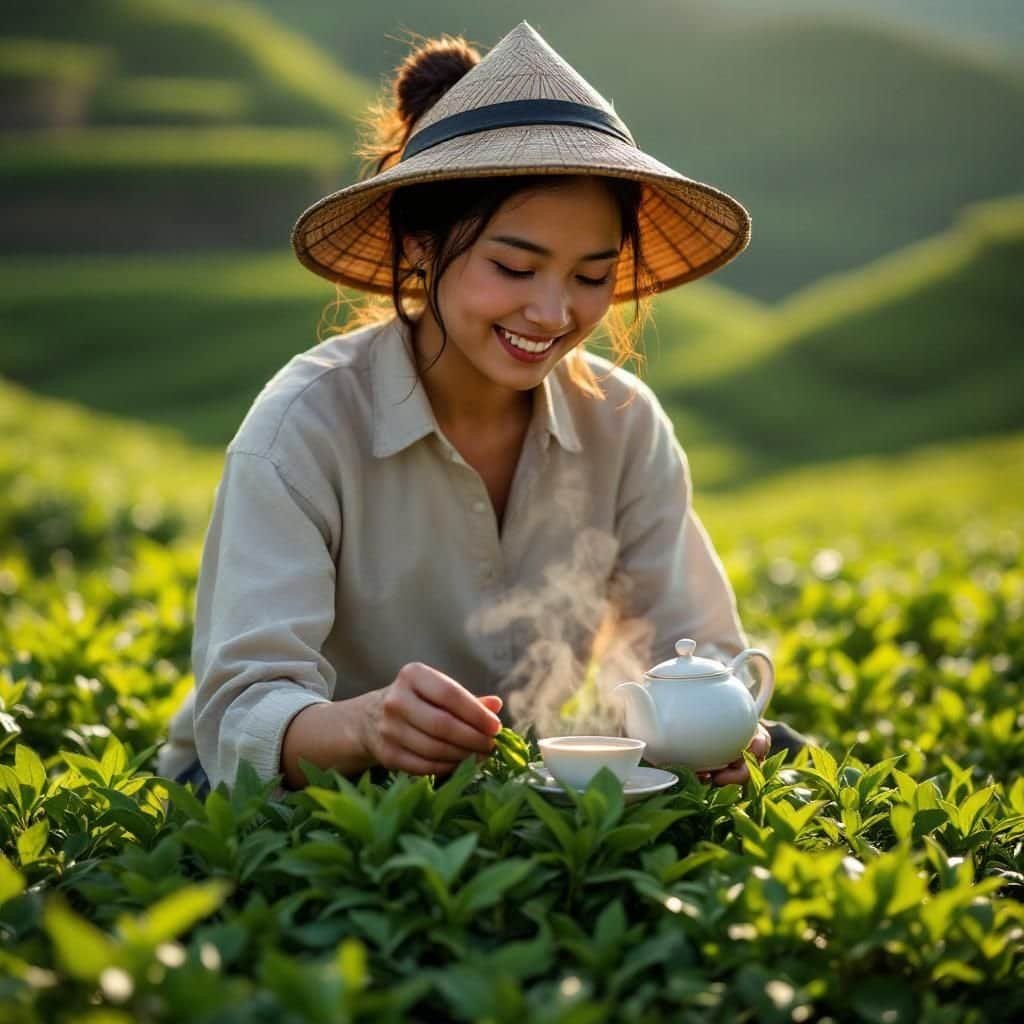
Set in the remote northern reaches of Vietnam, Ha Giang Province is a little-visited destination for those seeking both adventure and a unique tea experience. Known for its dramatic landscapes, ethnic diversity, and ancient tea trees, Ha Giang offers an unparalleled opportunity for tea trekking. The province is home to the Shan Tuyet tea trees, some of which are over 300 years old. These ancient trees are integral to the local culture and economy, providing a unique draw for tea enthusiasts and adventurous travelers alike. For seasoned trekkers and curious travelers alike, Ha Giang promises a journey through misty mountains, terraced fields, and vibrant ethnic villages. . You may also enjoy reading about Ha Giang Wild Tea Forests: Ancient Tea Travel in Vietnam
Best Tea Regions in Ha Giang
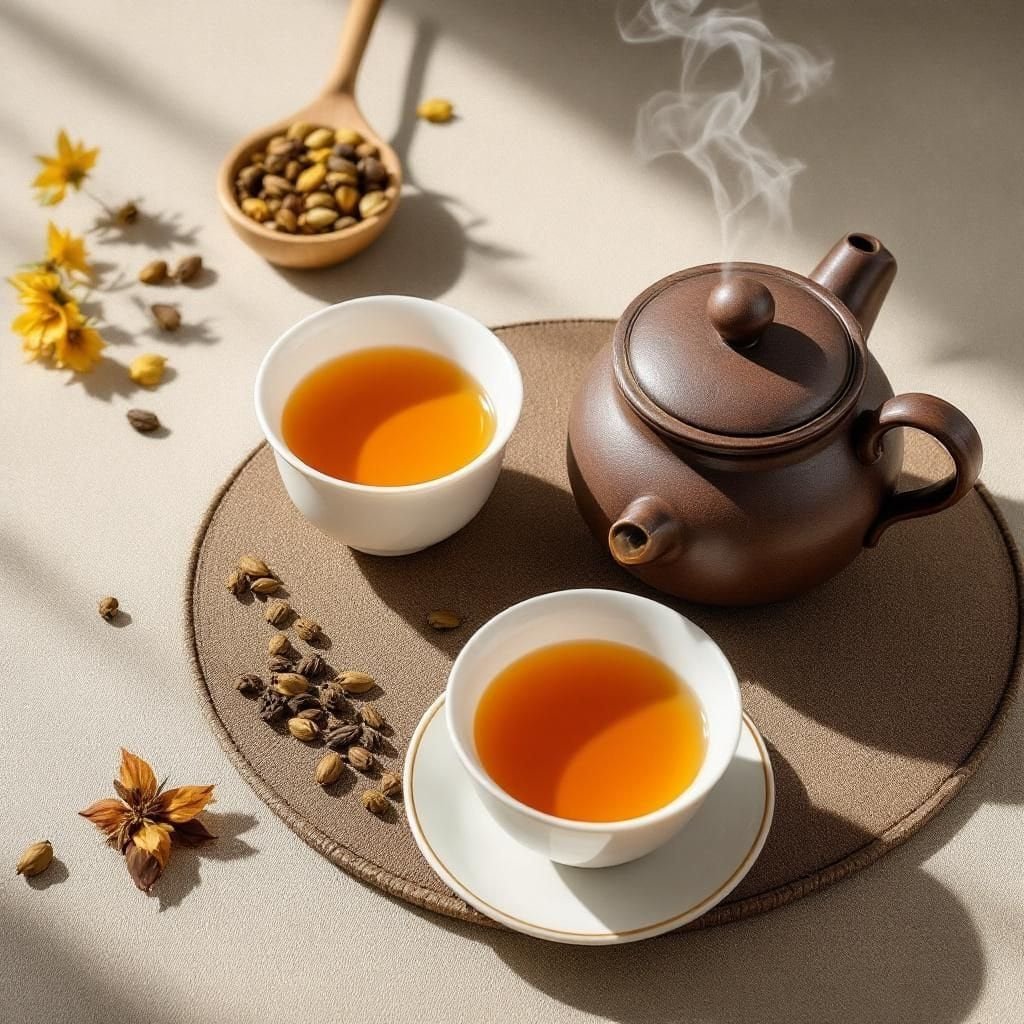
Ha Giang is dotted with tea-growing regions, each offering its own unique charm. The most notable areas include Hoang Su Phi and Bac Ha, where centuries-old tea trees thrive in the mountainous terrain. Hoang Su Phi, famous for its breathtaking rice terraces, is also home to the ancient Shan Tuyet tea trees. Here, you can visit tea gardens set on the slopes, where local ethnic minorities cultivate tea using traditional methods. The lush greenery and the cool mountain air make it a perfect spot for trekking and tea exploration. Bac Ha, on the other hand, offers a more secluded experience. With fewer tourists, you can enjoy the serenity of the tea gardens and engage with the local Hmong people who have been tending these trees for generations.
Types of Tea Produced
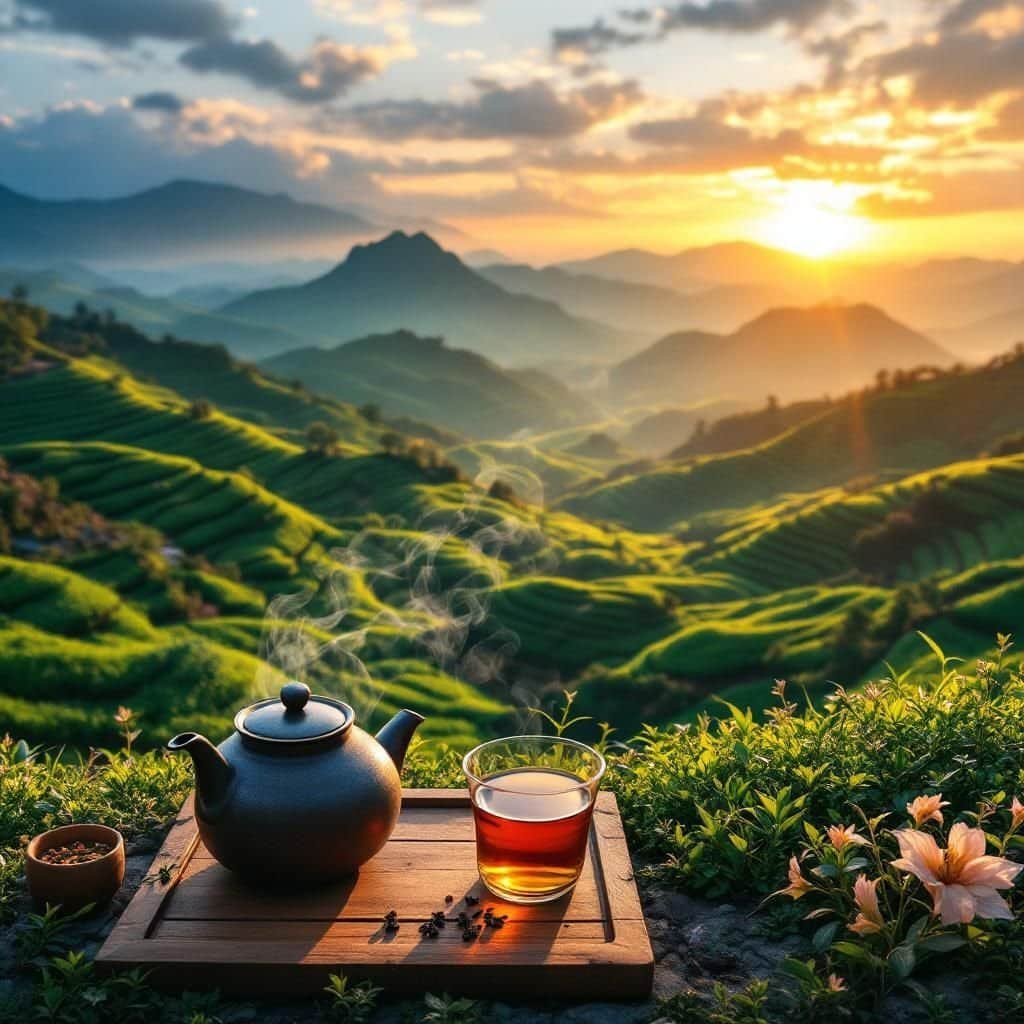
Ha Giang is renowned for its Shan Tuyet tea, which translates to “mountain snow.” This type of tea is distinctively known for its large, downy leaves covered with silvery hair, giving it a snow-like appearance. The tea is typically produced as both green and black tea, with tasting notes that include a sweet, floral aroma and a rich, complex flavor. The green Shan Tuyet tea offers a light, fresh taste with hints of chestnut and a smooth finish, while the black variant is bold with a deep, malty character. The unique climatic conditions and the ancient trees themselves contribute to the distinctive quality of these teas, making them a prized possession among tea connoisseurs worldwide.. You may also enjoy reading about Exploring the Ancient Tea Forests of Ha Giang, Vietnam
Tea Tourism Experiences
Tea tourism in Ha Giang is an immersive experience that goes beyond simply tasting tea. Visitors have the opportunity to trek through tea forests, participate in the harvesting process, and learn about traditional tea processing methods directly from local producers. Guided treks often include stops at ethnic minority villages, where you can witness the cultural significance of tea in these communities. Additionally, many tours offer tea-tasting sessions where you can sample the different types of Shan Tuyet tea and even learn the art of Vietnamese tea ceremonies. These experiences not only enhance your understanding of tea but also provide a deeper connection to the region’s cultural heritage.
Best Time to Visit
The best time for tea trekking in Ha Giang is between October and April. During these months, the weather is cooler and drier, making it ideal for hiking and outdoor activities. October to December is particularly picturesque, with the rice terraces in full harvest mode and the mountains blanketed in lush greenery. January to April offers clear skies and a chance to witness the blooming of various wildflowers, adding a splash of color to the landscape. Avoid visiting during the summer months (May to September) when heavy rains can make trekking trails slippery and less accessible.. You may also enjoy reading about Luxury Tea Retreats: The Best Tea Estate Stays in Vietnam
How to Get There
Reaching Ha Giang requires a bit of planning but is well worth the effort. The most common starting point is Hanoi, from where you can take a bus or rent a car for the approximately 300-kilometer journey to Ha Giang City. Buses are the most economical option, with several operators providing comfortable overnight services. If you prefer to drive, renting a car gives you the flexibility to explore at your own pace. For those looking for a more adventurous route, consider traveling by motorbike, which is popular among tourists for the freedom and excitement it offers. Once in Ha Giang City, you can arrange local transport to the tea-growing regions.
Where to Stay
Accommodation options in Ha Giang range from budget hostels to more upscale hotels and homestays. For a truly immersive experience, consider staying at a homestay in a local village. This not only supports the local economy but also provides a unique opportunity to experience the daily life of the ethnic minorities. In areas like Hoang Su Phi, you can find eco-lodges and guesthouses that offer stunning views of the surrounding landscapes. For those who prefer more conventional accommodations, Ha Giang City has several hotels with modern amenities to ensure a comfortable stay.
Costs and Budgeting
Traveling in Ha Giang is relatively affordable, making it accessible to a wide range of travelers. A daily budget of $30 to $50 USD should suffice for budget travelers, covering food, accommodation, and local transport. Costs can increase if you opt for guided tours or choose to stay in higher-end accommodations. Meals are inexpensive, with a typical meal costing around $2 to $5 USD. For those interested in purchasing local tea, prices vary depending on the quality and rarity of the tea leaves, but they generally remain affordable compared to international standards.
Sample Itineraries
3-Day Itinerary
Day 1: Arrive in Ha Giang City, explore local markets, and settle into a homestay. Day 2: Trek to Hoang Su Phi, visit tea gardens, and participate in a tea-tasting session. Day 3: Visit ethnic villages, learn about traditional tea-making processes, and return to Ha Giang City.
5-Day Itinerary
Day 1-2: Follow the 3-day itinerary. Day 3: Travel to Bac Ha, visit local tea plantations, and enjoy cultural performances. Day 4: Trek to remote tea forests and experience a traditional tea ceremony. Day 5: Relax and enjoy the natural beauty before returning to Ha Giang City.
7-Day Itinerary
Day 1-5: Follow the 5-day itinerary. Day 6: Explore Dong Van Karst Plateau Geopark and visit the Ma Pi Leng Pass. Day 7: Return to Ha Giang City, stop at Lung Cu Flag Tower, and enjoy a final tea-tasting experience.
Related Guides
- Exploring Taiwan’s Tea Culture
- Vietnam Tea Tourism: A Complete Guide
- Tea Ceremonies Around the World
- Best Tea Trekking Destinations
- Guide to Ancient Tea Trees
Start Your Vietnam Tea Adventure
Ready to trek through Ha Giang’s ancient tea forests? Discover more tea destinations in our Vietnam tea hills guide or plan your entire journey with our tea travel resources.
Frequently Asked Questions
Do I need a guide for tea trekking in Ha Giang?
While not mandatory, hiring a local guide is recommended to enhance your experience and navigate the trails safely.
What should I pack for a tea trekking trip?
Pack comfortable walking shoes, weather-appropriate clothing, sunscreen, a hat, and a reusable water bottle.
Is tea trekking suitable for families?
Yes, many routes are family-friendly, but it’s best to choose trails that match your family’s fitness level.
Can I buy Shan Tuyet tea directly from producers?
Absolutely, purchasing directly from local producers ensures authenticity and supports the community.
Are there any cultural etiquettes I should be aware of?
Respect local customs, dress modestly in villages, and always ask permission before taking photos of people.

