
What Is Rooibos Tea? A Traveler’s Introduction
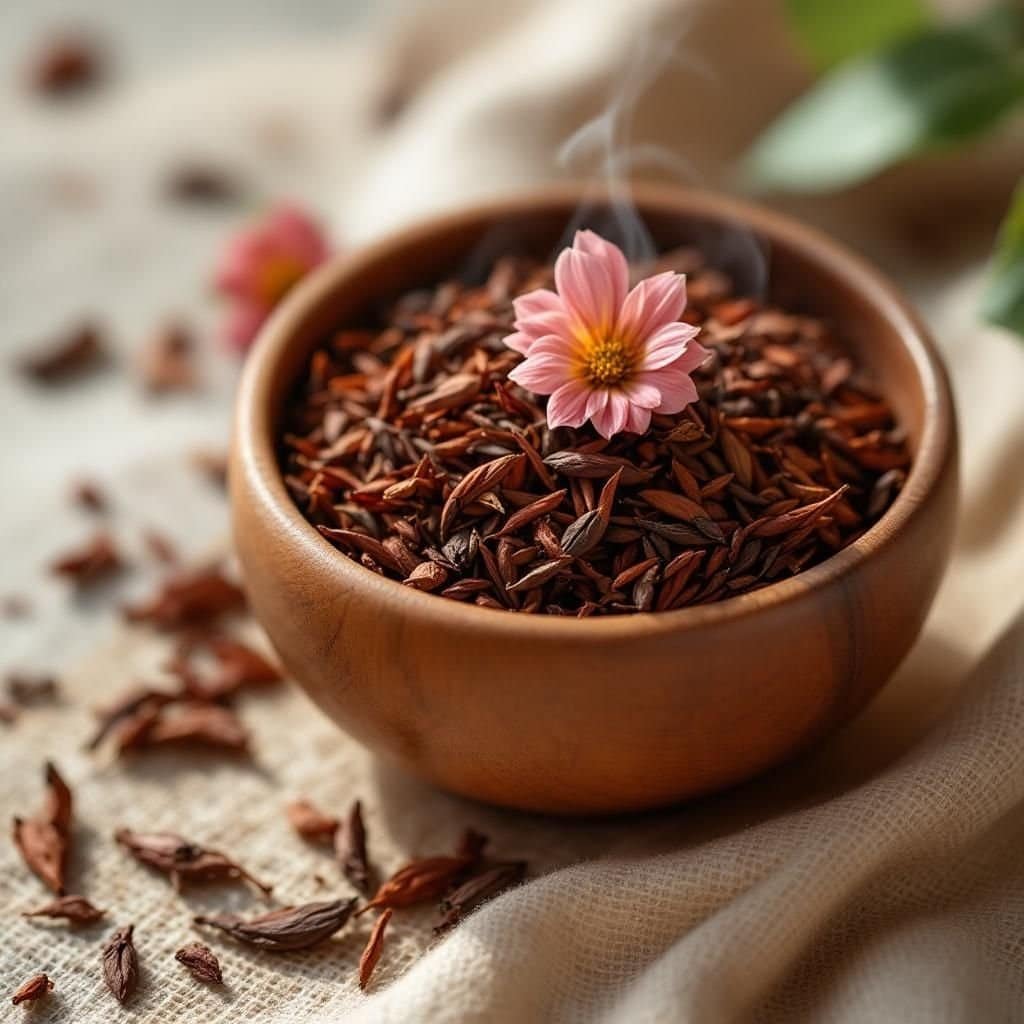
Rooibos tea, often referred to as red bush tea, is a naturally caffeine-free herbal infusion that hails from the mountainous Cederberg region of South Africa. Unlike traditional teas derived from the Camellia sinensis plant, rooibos is made from the leaves of the Aspalathus linearis shrub. This unique plant thrives exclusively in the rugged, arid terrain of South Africa, making it a rare and sought-after beverage for tea enthusiasts worldwide.
For travelers venturing to South Africa, exploring the origins of rooibos tea offers a unique opportunity to engage with the local culture and natural landscapes. The tea is celebrated not only for its distinct, earthy flavor profile, which includes notes of honey and caramel, but also for its rich historical ties to the indigenous Khoisan people, who have used it for centuries for its medicinal properties. Read also: South Africa tea travel guide.
Whether you are sipping rooibos tea on a sun-drenched veranda overlooking the Cederberg mountains or enjoying it as an iced refreshment while exploring the bustling markets of Cape Town, this tea offers a taste of South Africa’s rich biodiversity and cultural heritage.
Health Benefits of Rooibos Tea

Rooibos tea is lauded for its numerous health benefits, some of which are backed by scientific research. Rich in antioxidants, particularly aspalathin and quercetin, rooibos tea helps combat oxidative stress, which is linked to a variety of chronic diseases. These antioxidants also contribute to the tea’s anti-inflammatory properties, potentially reducing the risk of cardiovascular disease. Read also: spearmint tea benefits.
Furthermore, rooibos tea may support bone health due to its high mineral content, including calcium, magnesium, and fluoride. Studies suggest that these minerals can help maintain strong bones and teeth, making rooibos a beneficial addition to your diet if you are concerned about osteoporosis.
The tea is also known for its potential to support heart health by improving blood circulation and reducing blood pressure. This is primarily due to compounds like chrysoeriol, which can aid in lowering the levels of bad cholesterol.
Potential Side Effects of Rooibos Tea
While rooibos tea is generally considered safe for most people, it is important to be aware of potential side effects, particularly if consumed in large quantities. Some studies have suggested that high intake of rooibos tea could interfere with the body’s iron absorption due to its tannin content, though this effect is less pronounced than in traditional black or green teas. Read also: green tea with ginger.
Another consideration is the potential impact of rooibos tea on estrogen levels. Some research indicates that it may have estrogenic effects, which could influence hormone-sensitive conditions such as breast cancer. However, these findings are not yet conclusive, and more research is needed to fully understand the implications.
As with any food or beverage, moderation is key. Those with specific health conditions or who are pregnant should consult with a healthcare provider to determine if rooibos tea is safe for them.
Is Rooibos Tea Safe for Everyone?

For the majority of people, rooibos tea is a safe and enjoyable beverage. Its caffeine-free nature makes it an excellent choice for individuals sensitive to caffeine or those looking to reduce their intake. Moreover, its low tannin content compared to other teas means it is less likely to cause digestive discomfort or interfere with nutrient absorption.
However, people with existing health conditions, particularly those related to hormone sensitivity, should exercise caution and perhaps consult a healthcare professional. Additionally, while rare, allergic reactions to rooibos have been reported, so it’s advisable to try it in small amounts initially if you have a history of allergies.
Exploring South Africa’s Rooibos Tea Regions
Travelers to South Africa can explore the unique regions where rooibos is cultivated, particularly the Cederberg mountains. This area is known for its stunning natural beauty and is the heartland of rooibos production. Here, visitors can tour tea estates, learn about the harvesting and production process, and enjoy tastings.
One renowned estate is the Skimmelberg Farm, where travelers can engage in guided tours and experience the entire journey of rooibos from shrub to cup. Another must-visit is the Rooibos Route, a collection of farms and attractions that celebrate the tea’s cultural and economic significance in the region.
Tea Tourism and Rooibos Experiences
For those interested in tea tourism, South Africa offers a variety of experiences centered around rooibos tea. These include interactive workshops where visitors can learn to blend their own tea, guided hikes through the rooibos fields, and even cultural experiences that delve into the traditional uses of the tea by indigenous communities.
In addition to farm tours and tastings, travelers can also enjoy rooibos-infused cuisine at local restaurants or purchase unique rooibos-based products such as skincare items and culinary ingredients.
Best Time to Visit South Africa for Rooibos Tea
South Africa’s climate plays a crucial role in the growth and quality of rooibos tea. The best time to visit rooibos-producing regions is during the harvest season, which typically runs from January to April. During these months, visitors can witness the vibrant activity of the harvest and partake in seasonal festivals celebrating the tea.
Travelers should note that the Cederberg region can be quite hot during the summer months, so it’s advisable to prepare accordingly with sun protection and hydration strategies. For those preferring cooler temperatures, visiting in the shoulder seasons of spring or fall can also offer pleasant weather and beautiful scenery.
How to Get There: Navigating South Africa’s Rooibos Regions
Reaching the rooibos tea regions of South Africa is a straightforward journey from major cities like Cape Town. The Cederberg region is approximately a two-and-a-half-hour drive from Cape Town, making it an accessible day trip or a longer excursion for those wanting to fully immerse themselves.
Travelers can rent a car and drive through the scenic Western Cape, or opt for guided tours that include transportation, which can provide valuable insights into the area’s history and tea culture. Local buses and shuttles are also available but may not offer the same flexibility as self-driving.
Where to Stay: Accommodations in Rooibos Regions
Accommodation options in the rooibos-producing areas of South Africa range from charming guesthouses and lodges to luxurious estates with breathtaking views of the surrounding mountains. Many of these establishments offer unique experiences such as tea tastings and cooking classes featuring local ingredients.
For a truly immersive experience, consider staying at a tea estate where you can wake up to views of the rooibos fields and enjoy fresh, locally-produced tea each morning. These stays often provide a deeper understanding of the tea’s importance and offer a relaxing retreat in nature.
Costs and Budgeting for Your Rooibos Tea Journey
Traveling to South Africa for a rooibos tea experience can accommodate a range of budgets. Daily costs will depend on the level of comfort and activities chosen, with budget travelers spending around $50-$100 per day, while those seeking more luxury experiences may spend upwards of $200 per day.
Key expenses include accommodation, dining, transportation, and activities such as tours and tastings. It’s advisable to book in advance, particularly during peak travel seasons, to secure the best rates and availability.
Sample Itineraries for Rooibos Tea Enthusiasts
For those planning a trip centered around rooibos tea, consider these sample itineraries:
- 3-Day Itinerary: Begin in Cape Town with a day exploring local tea shops and cafes, followed by a two-day excursion to the Cederberg region, including visits to tea farms and guided hikes.
- 5-Day Itinerary: Combine the 3-day itinerary with additional activities such as culinary classes in Cape Town and a visit to the Rooibos Heritage Route.
- 7-Day Itinerary: Extend your stay with a day trip to the Namaqualand for wildflower viewing and incorporate more in-depth cultural experiences and leisure time at a luxury tea estate.
FAQ Section
A: Yes, for most people, drinking rooibos tea daily is safe and offers various health benefits. However, those with specific health conditions should consult with a healthcare provider.
A: No, rooibos tea is naturally caffeine-free, making it an excellent choice for those looking to reduce their caffeine intake.
A: Rooibos tea has a naturally sweet, nutty flavor with hints of caramel and vanilla, making it a versatile beverage enjoyed hot or cold.
A: While generally safe, it’s advisable to consult with a healthcare provider if you are taking medications, particularly if they are related to hormone-sensitive conditions.
A: After harvesting, rooibos leaves are bruised and left to oxidize, which enhances their flavor and gives them their characteristic reddish-brown color.
Related Guides
- Guide to South African Teas
- Health Benefits of Herbal Teas
- Exploring the Cederberg Region
- Tea Tourism in South Africa
- Traditional Tea Ceremonies Worldwide
Frequently Asked Questions
Can I drink rooibos tea every day?
Yes, for most people, drinking rooibos tea daily is safe and offers various health benefits. However, those with specific health conditions should consult with a healthcare provider.
Does rooibos tea contain caffeine?
No, rooibos tea is naturally caffeine-free, making it an excellent choice for those looking to reduce their caffeine intake.
What does rooibos tea taste like?
Rooibos tea has a naturally sweet, nutty flavor with hints of caramel and vanilla, making it a versatile beverage enjoyed hot or cold.
Are there any known drug interactions with rooibos tea?
While generally safe, it’s advisable to consult with a healthcare provider if you are taking medications, particularly if they are related to hormone-sensitive conditions.
How is rooibos tea processed?
After harvesting, rooibos leaves are bruised and left to oxidize, which enhances their flavor and gives them their characteristic reddish-brown color.
yes