
Comprehensive Overview

South Africa, a land of diverse cultures and breathtaking landscapes, has emerged as a unique destination for tea enthusiasts. Known predominantly for its production of Rooibos tea, the country offers a tea travel experience unlike any other. From the rugged beauty of the Cederberg Mountains to the rich cultural tapestry of its people, South Africa’s tea tourism is steeped in both history and innovation. This guide aims to provide tea travelers with an in-depth understanding of what makes South Africa a top destination for tea tourism, exploring its famous tea regions, cultural experiences, and practical travel tips. This connects to the broader world of south africa tea.
Why South Africa for Tea Travel?

South Africa’s tea travel appeal lies in its unique geographic and cultural elements. Unlike traditional tea-producing countries like India and China, South Africa specializes in Rooibos, a caffeine-free herbal tea that grows exclusively in the Cederberg region. This singularity draws tea enthusiasts from around the globe. Moreover, the country’s rich biodiversity, vibrant cities, and welcoming communities make it an attractive backdrop for any travel itinerary. Whether you’re seeking a serene escape into nature or an engaging cultural immersion, South Africa offers a diverse range of experiences that complement its tea tourism.
The Cederberg Mountains: Heart of Rooibos Country
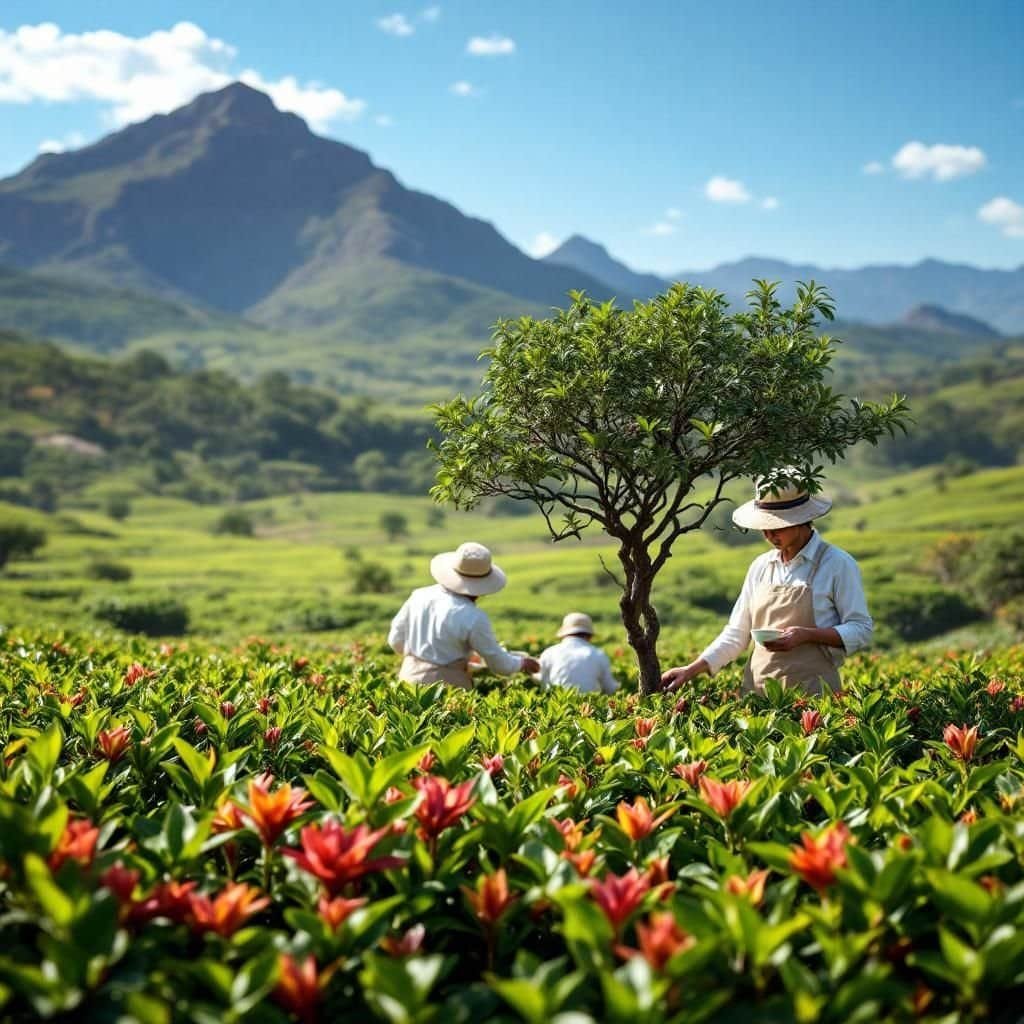
The Cederberg Mountains are the epicenter of Rooibos production. Located about 200 kilometers north of Cape Town, this rugged landscape is characterized by its dramatic rock formations and rich biodiversity. Rooibos thrives in the region’s unique climate and sandy soils, making it the sole location in the world suitable for the plant’s commercial cultivation. Visitors to the Cederberg can explore numerous Rooibos farms and estates, where they can witness the harvesting and processing of this iconic tea. The area is also ideal for hiking, rock climbing, and exploring ancient San rock art, offering an enriching blend of natural beauty and cultural heritage.
Key Facts and Statistics
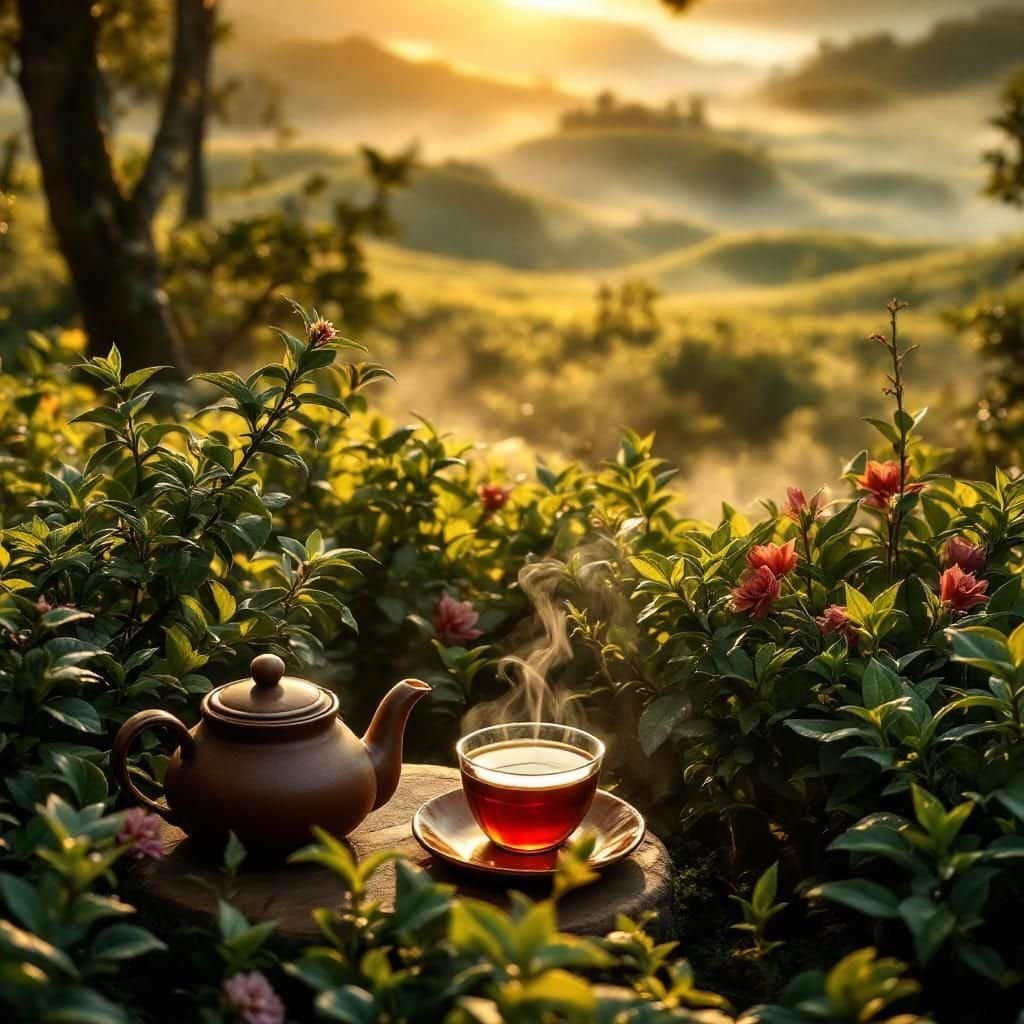
South Africa is the world’s leading producer of Rooibos tea, with over 450 farmers cultivating more than 20,000 hectares of the plant annually. The country exports Rooibos to over 60 countries, with Germany, the Netherlands, and the United States being significant markets. In addition to Rooibos, South Africa also produces Honeybush tea, another indigenous herbal tea known for its sweet, honey-like flavor. These teas contribute significantly to the local economy, supporting thousands of jobs within the agricultural and tourism sectors. This connects to the broader world of south africa tea.
Subtopic Navigation
For a deeper dive into South Africa’s tea offerings, you can explore the following subtopics:
- Cederberg Tea Region Guide
- Understanding Rooibos Tea Production
- Planning South African Tea Tours
- Tea and Culture in South Africa
- Sustainable Tea Practices in South Africa
Expert Insights
According to Dr. Pieter de Wet, a leading agronomist specializing in Rooibos cultivation, “The Cederberg’s unique microclimate provides the perfect conditions for Rooibos. The interplay of high-altitude sun exposure and nutrient-poor soils results in a tea that is rich in antioxidants and flavors.” This sentiment is echoed by many local farmers, who pride themselves on sustainable farming practices and the quality of their produce. The emphasis on sustainability is not just a trend; it is a necessity given the growing global demand for Rooibos and the need to preserve the natural environment.
Getting Started Guide
Embarking on a tea-focused journey in South Africa requires a bit of planning. Begin by selecting the time of year that aligns with your travel preferences. Spring (September to November) and autumn (March to May) are ideal times to visit, offering mild weather and fewer tourists. Once your travel dates are set, consider booking a guided tour through the Cederberg Mountains. These tours often include visits to Rooibos farms, tastings, and demonstrations of traditional tea-making techniques.
For accommodations, the region offers a range of options from rustic farm stays to luxury lodges. Ensure your itinerary includes cultural experiences such as visiting local markets and historical sites to gain a comprehensive understanding of the region’s rich heritage. Don’t forget to pack appropriately, as the Cederberg can be quite warm during the day and cooler at night.
FAQ Section
What makes Rooibos tea unique?
Rooibos tea is unique due to its caffeine-free nature and the specific region it grows in, the Cederberg Mountains. Its sweet, nutty flavor and high antioxidant content are particularly appealing to health-conscious consumers.
When is the best time to visit the Cederberg region?
The best time to visit the Cederberg region is during the spring or autumn months when the weather is mild, making it perfect for outdoor activities and tea tours.
Can I visit Rooibos farms?
Yes, many Rooibos farms in the Cederberg offer tours where you can learn about the cultivation and production processes, as well as participate in tastings.
Are there other teas grown in South Africa?
In addition to Rooibos, South Africa also grows Honeybush tea, which is known for its similar antioxidant properties and sweet, honey-like taste.
What are some cultural experiences related to tea in South Africa?
Travelers can enjoy a variety of cultural experiences, including traditional tea ceremonies, visiting local markets, and exploring historical sites related to the indigenous San people and their ancient tea traditions.
Related Resources
- Exploring African Tea Culture
- Top Global Tea Travel Destinations
- Sustainable Travel Practices for Tea Tourists
- The History of Tea in Africa
- Planning Your Perfect Tea Tour
Frequently Asked Questions
What makes Rooibos tea unique?
Rooibos tea is unique due to its caffeine-free nature and the specific region it grows in, the Cederberg Mountains. Its sweet, nutty flavor and high antioxidant content are particularly appealing to health-conscious consumers.
When is the best time to visit the Cederberg region?
The best time to visit the Cederberg region is during the spring or autumn months when the weather is mild, making it perfect for outdoor activities and tea tours.
Can I visit Rooibos farms?
Yes, many Rooibos farms in the Cederberg offer tours where you can learn about the cultivation and production processes, as well as participate in tastings.
Are there other teas grown in South Africa?
In addition to Rooibos, South Africa also grows Honeybush tea, which is known for its similar antioxidant properties and sweet, honey-like taste.
What are some cultural experiences related to tea in South Africa?
Travelers can enjoy a variety of cultural experiences, including traditional tea ceremonies, visiting local markets, and exploring historical sites related to the indigenous San people and their ancient tea traditions.
yes