
The Enchanting World of Nuwara Eliya
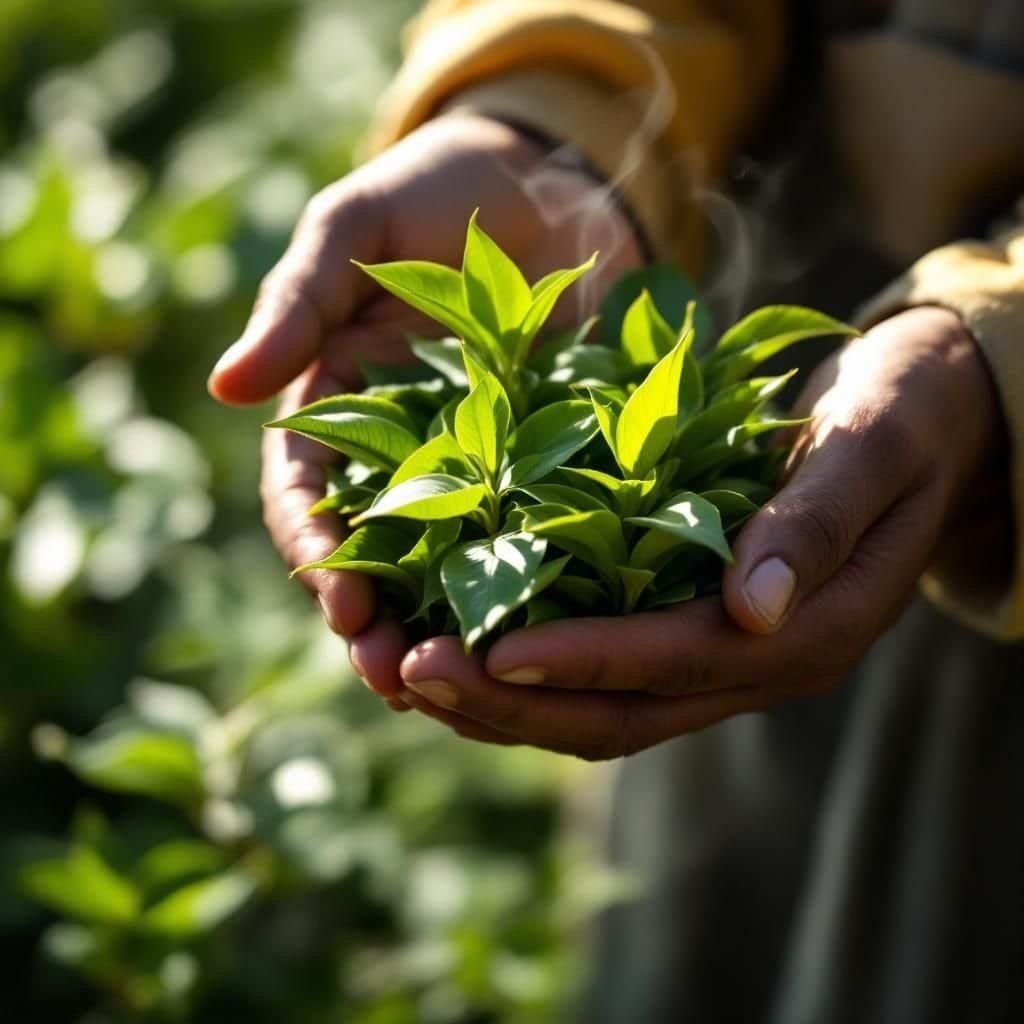
Nestled in the heart of Sri Lanka’s central highlands, Nuwara Eliya is often referred to as the ‘Little England’ of Sri Lanka. This picturesque town is renowned for its cool climate and lush landscapes, which are characterized by vast, rolling hills covered with verdant tea plantations. As a major hub in Sri Lanka’s tea country, Nuwara Eliya offers an immersive experience into the world of Ceylon tea, making it a must-visit for tea enthusiasts and travelers alike. For more, explore our guide on rolling hills of Munnar tea plantations.
Table of Contents
Quick Summary: Nuwara Eliya, Sri Lanka’s highland tea capital at 1,868m elevation, produces world-renowned Ceylon tea. Visitors can tour historic estates like Mackwoods and Pedro, ride the scenic Kandy-Ella train through tea country, and experience colonial-era charm in this cool, misty mountain town.
The Historical Significance of Nuwara Eliya
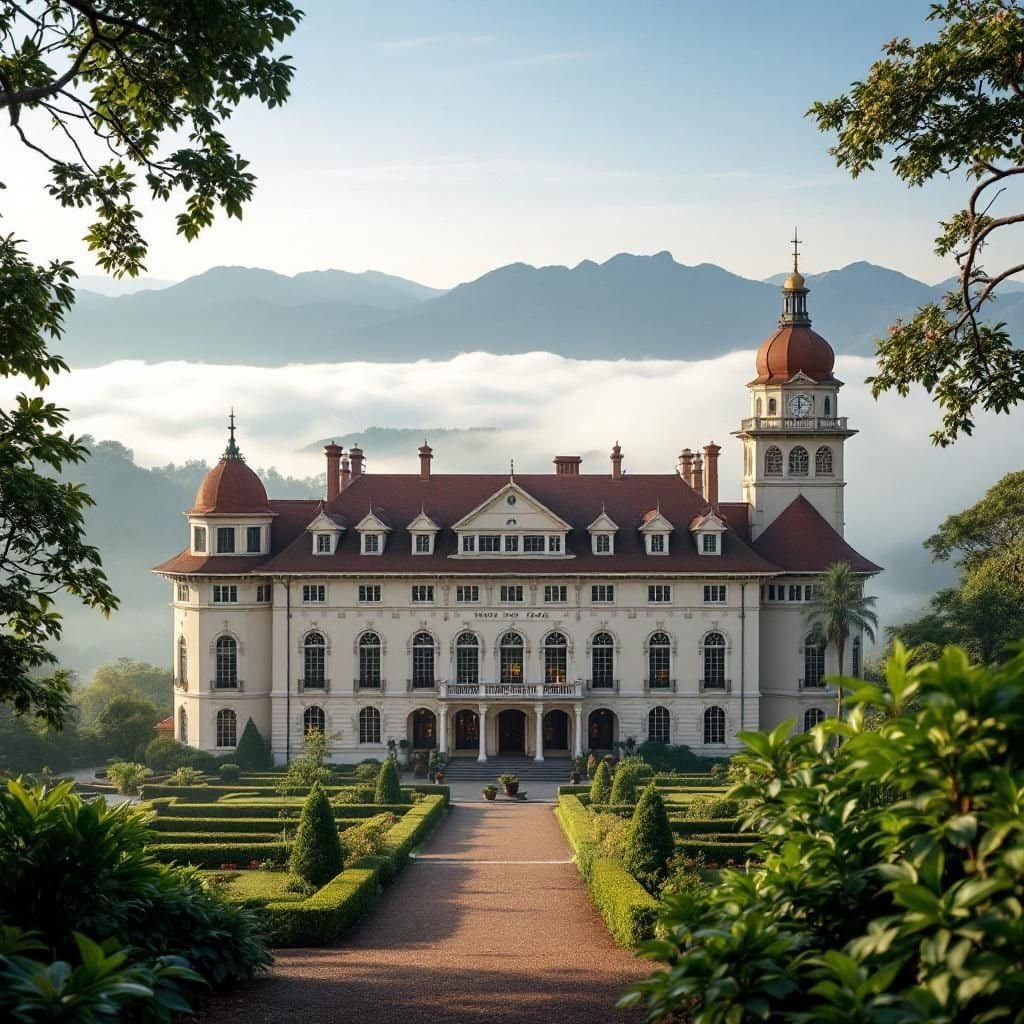
Established by British colonists in the 19th century, Nuwara Eliya served as a summer retreat for the British who were enchanted by its cool climate and scenic beauty. The town’s colonial-era architecture, characterized by red-roofed bungalows, Tudor-style hotels, and manicured gardens, adds a touch of old-world charm that transports visitors back in time.
Exploring Nuwara Eliya’s Tea Plantations
Nuwara Eliya’s tea plantations are among the most prestigious in Sri Lanka, producing some of the finest Ceylon tea. The region’s unique climate, with its cool temperatures, abundant rainfall, and fertile soil, creates the perfect conditions for growing high-quality tea. Visitors can explore a variety of tea estates that offer guided tours, allowing them to witness the intricate process of tea production from plucking to packaging. For more, explore our guide on Tea estate stays in Darjeeling.
Must-Visit Tea Estates in Nuwara Eliya
- Mackwoods Tea Estate: One of the oldest and most famous tea estates in Nuwara Eliya, Mackwoods offers an insightful tour that includes a visit to their tea factory and a tasting session of their premium teas.
- Pedro Tea Estate: Located just a short drive from Nuwara Eliya town, Pedro Tea Estate is known for its picturesque surroundings and informative guided tours that highlight the estate’s history and tea-making techniques.
- Lover’s Leap Tea Estate: Named after a local legend, this estate offers breathtaking views and a unique opportunity to experience tea plucking with local workers.
Understanding Ceylon Tea
Ceylon tea, named after Sri Lanka’s colonial name, is celebrated worldwide for its distinct flavor profile and high quality. The tea from Nuwara Eliya, in particular, is known for its light, crisp taste and fragrant aroma, making it a favorite among tea connoisseurs.
The Tea Production Process
The journey of Ceylon tea begins on the lush hillsides of Nuwara Eliya, where tea leaves are meticulously plucked by hand. After harvesting, the leaves undergo a series of processes including withering, rolling, fermentation, drying, and sorting, all of which contribute to the tea’s unique characteristics. For more, explore our guide on exploring tea tours in Darjeeling.
Planning Your Ceylon Tea Tour
Visiting the tea estates in Nuwara Eliya provides a captivating insight into the art of tea-making. Most estates offer comprehensive tours that include a walk through the tea gardens, a visit to the factory, and a tea tasting session. These tours allow visitors to observe the traditional methods of tea production and appreciate the dedication and craftsmanship involved.
Best Time to Visit Nuwara Eliya
The best time to visit Nuwara Eliya is during the dry season from February to April. During this period, the weather is pleasantly cool, and the tea gardens are lush and vibrant.
Accommodations in Nuwara Eliya
Nuwara Eliya offers a range of accommodation options to suit every budget. From luxury colonial-style hotels to cozy guesthouses, there are plenty of choices for travelers looking to explore the tea country. Some popular options include the Grand Hotel, Heritance Tea Factory, and St. Andrew’s Hotel.
Experiencing the Colonial Charm
Apart from its tea plantations, Nuwara Eliya is known for its colonial charm and scenic attractions. Visitors can explore the well-maintained gardens, golf courses, and horse racing tracks that date back to the British colonial era. The Victoria Park and Hakgala Botanical Gardens are perfect for leisurely strolls amidst beautiful floral displays.
Other Attractions in Nuwara Eliya
- Gregory Lake: A popular spot for boating and picnics, this picturesque lake offers stunning views of the surrounding mountains.
- Seetha Amman Temple: This Hindu temple is a significant cultural attraction, believed to be the site where Sita was held captive in the Ramayana epic.
- Ambewela Farm: Known as ‘Little New Zealand,’ this dairy farm offers tours and a chance to sample fresh dairy products.
Tips for a Memorable Visit
To make the most of your visit to Nuwara Eliya, here are some tips to consider:
- Dress in layers as the weather can be unpredictable, with cool mornings and warm afternoons.
- Take a guided tour to gain a deeper understanding of the tea production process.
- Sample different varieties of Ceylon tea to appreciate the diverse flavors and aromas.
- Engage with the local communities and learn about their culture and traditions.
- Don’t forget to bring home some premium Ceylon tea as a souvenir of your visit.
Nuwara Eliya offers a unique blend of natural beauty, rich history, and cultural heritage, making it an unforgettable destination for anyone interested in exploring Sri Lanka’s tea country. Whether you’re a tea aficionado or a curious traveler, the enchanting landscapes and colonial charm of Nuwara Eliya will leave you with lasting memories.
Practical Tips and Costs
Nuwara Eliya is one of Sri Lanka’s most rewarding destinations for tea travelers. Here is a practical guide to help you plan your visit:
Tea Estate Tour Costs
- Mackwoods Tea Estate tour: Free entry; tea tasting from 200-500 LKR ($0.60-$1.50 USD)
- Pedro Tea Estate guided tour: 200-400 LKR per person ($0.60-$1.20 USD)
- Premium tasting experiences: 500-2,000 LKR per person ($1.50-$6 USD)
Accommodation
- Colonial-era boutique hotels: $60-$180 USD per night, often including breakfast
- Tea estate bungalows: $80-$250 USD per night with full board and garden tours
- Budget guesthouses: $15-$40 USD per night in Nuwara Eliya town
Getting to Nuwara Eliya
The most scenic route is the Kandy to Ella train, widely considered one of the world’s most beautiful rail journeys. The train passes through Nuwara Eliya’s Nanu Oya station, with the journey from Kandy taking approximately 3-4 hours. Book tickets in advance, especially for the observation car. Alternatively, buses from Colombo take 5-6 hours and cost 300-500 LKR ($0.90-$1.50 USD).
What to Pack
- Warm layers — temperatures drop to 10-15 degrees Celsius at night even in summer
- Waterproof jacket — the highlands receive frequent mist and rain year-round
- Comfortable walking shoes for plantation trails
- Sunscreen — UV levels are high at altitude despite the cool temperatures
Best Time to Visit Nuwara Eliya
Nuwara Eliya’s highland climate means it can be visited year-round, but certain months offer distinct advantages:
January to March: Peak Season
The dry season brings clear skies and the most comfortable temperatures for exploring the plantations. This is also when the tea bushes are at their most productive, and you can witness active harvesting. Accommodation prices are at their highest, so book well in advance.
April: Sinhala and Tamil New Year
The Nuwara Eliya season coincides with Sri Lanka’s New Year celebrations, making April a vibrant but crowded time to visit. The town hosts horse racing events and flower shows that add to the festive atmosphere.
May to August: Shoulder Season
The southwest monsoon brings more rainfall to the highlands, but the mist-draped plantations take on an ethereal beauty during this period. Prices drop significantly and the crowds thin out, making it ideal for photographers seeking atmospheric shots.
September to December: Second Dry Season
Another excellent window for visiting, with clear weather and active tea production. The second flush teas harvested during this period are particularly prized for their complex flavor profiles.
Frequently Asked Questions
What is the best time to visit Nuwara Eliya?
The best time to visit Nuwara Eliya is during the dry season from February to April when the weather is cool and the tea gardens are vibrant.
What are some must-visit tea estates in Nuwara Eliya?
Must-visit tea estates include Mackwoods Tea Estate, Pedro Tea Estate, and Lover’s Leap Tea Estate, each offering unique tours and tasting sessions.
What makes Nuwara Eliya’s tea special?
Nuwara Eliya’s tea is known for its light, crisp taste and fragrant aroma, owing to the region’s unique climate and traditional production methods.
How can I experience the colonial charm of Nuwara Eliya?
Explore the town’s colonial-era architecture, visit the Victoria Park, and enjoy activities at Gregory Lake to experience Nuwara Eliya’s colonial charm.
What accommodations are available in Nuwara Eliya?
Nuwara Eliya offers a range of accommodations from luxury hotels like the Grand Hotel and Heritance Tea Factory to cozy guesthouses.