

Table of Contents
Quick Summary: Sapa, Vietnam’s misty mountain town, is home to ancient Shan Tuyet tea forests cultivated by Hmong and Dao ethnic minorities for centuries. This guide covers everything from trekking routes through terraced tea plantations to tasting notes, cultural etiquette, and the best times to experience this off-the-beaten-path tea destination.
Quick Facts Box

- Country: Vietnam
- Region: Sapa, Lao Cai Province
- Best Time to Visit: March to May, September to November
- Currency: Vietnamese Dong (VND)
- Language: Vietnamese
- Visa Requirements: Visa required for most nationalities, e-visa available
Introduction with Destination Overview
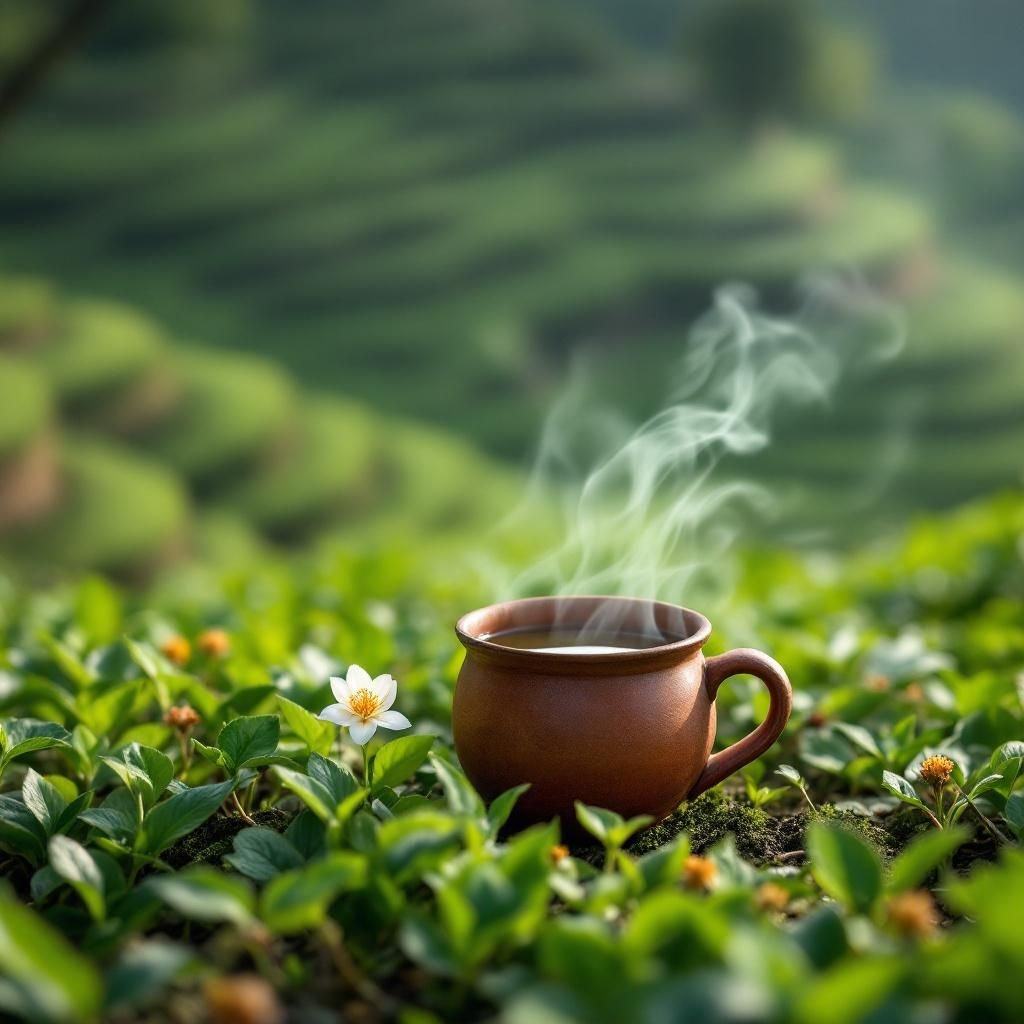
Set amidst the towering mountains of northern Vietnam, Sapa is a region of breathtaking beauty, renowned not just for its spectacular landscapes but also for its rich tea culture. Known as the home of ancient Shan Tuyet tea trees, Sapa offers a unique opportunity for travelers to embark on a tea trekking adventure. The trek also provides a window into the lives of the ethnic minority communities, like the Hmong and Dao, who have been cultivating and harvesting these teas for generations. For a broader perspective on tea travel in Asia, explore our China Tea Travel Guide.
Best Tea Regions
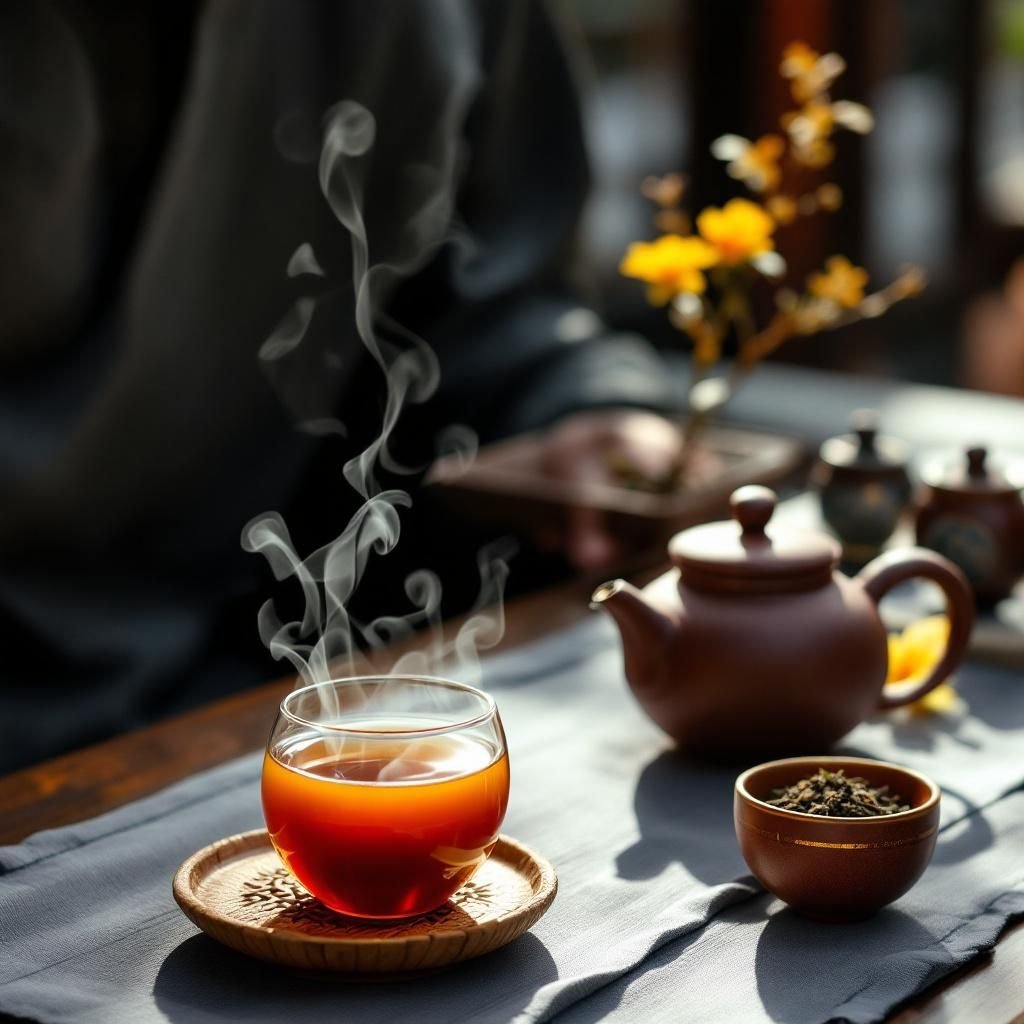
Sapa’s mountainous terrain is home to several key tea-growing areas, each offering its own unique charm. The Hoang Su Phi district is particularly noted for its scenic beauty and the quality of its tea. Here, the ancient Shan Tuyet trees grow at elevations of over 1,000 meters, benefiting from the cool, misty climate that enhances the flavor profile of the tea leaves. Another must-visit is the Muong Khuong district, where you’ll find terraced tea gardens interspersed with traditional villages. These regions offer not only stunning views but also the chance to explore traditional tea processing methods that have been passed down through generations. Tea enthusiasts may also enjoy the historic Ancient Tea Horse Road in Yunnan, another iconic tea trekking destination.
Types of Tea Produced
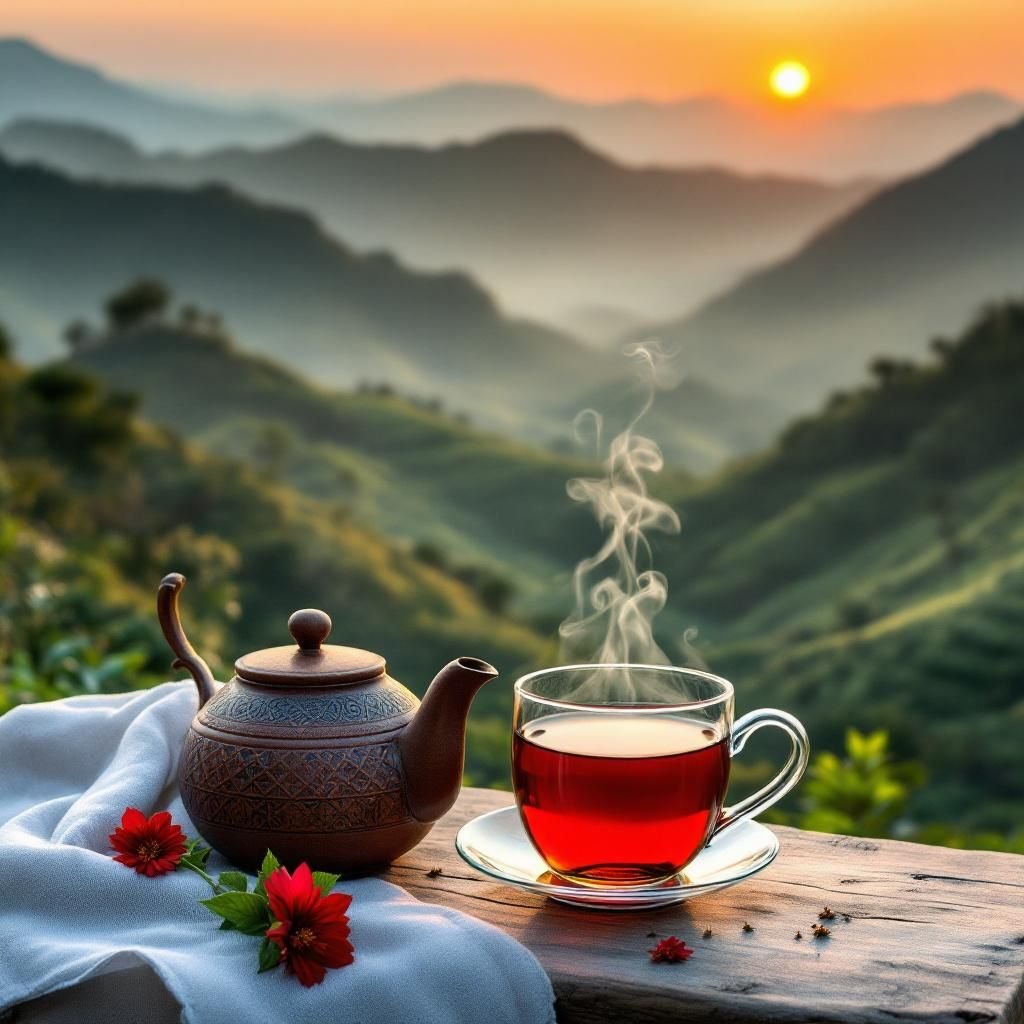
The crown jewel of Sapa’s tea production is the Shan Tuyet tea. This rare tea, named after the snow-like down that covers the leaves, is celebrated for its distinctive flavor and aroma. The tea leaves, large and covered in fine white hairs, yield a pale yellow brew with a complex profile that combines floral and earthy notes. Other types of tea produced in the region include green and black teas, each offering a unique taste experience reflective of the terroir. The green teas are fresh and slightly sweet, while the black teas are robust with a hint of smokiness.
Tea Tourism Experiences
Sapa offers a wealth of tea tourism experiences that cater to both casual tea drinkers and connoisseurs. Visitors can participate in guided tea trekking tours that lead through the ancient tea forests, providing insight into traditional harvesting techniques and the cultural significance of tea in the region. Many tours include visits to local tea factories where you can witness the processing of the leaves into the final product. Additionally, tea ceremonies hosted by the local Hmong and Dao communities offer a deep dive into the ceremonial aspects of tea drinking, fostering a deeper appreciation of this ancient practice. If you enjoy guided tea experiences, you might also love our guide to Darjeeling Tea Tours & Tastings.
Beyond simply observing tea production, Sapa offers immersive cultural experiences that connect visitors directly with the region’s tea-growing communities. Many families welcome guests into their homes for traditional tea ceremonies using locally harvested Shan Tuyet leaves brewed in clay pots over open fires. These intimate encounters provide insight into the spiritual significance of tea in Hmong and Dao cultures, where offering tea to guests is considered a sacred gesture of hospitality and respect.
For photography enthusiasts, the golden hours of early morning and late afternoon transform Sapa’s tea terraces into breathtaking landscapes. The interplay of light, mist, and layered greenery creates compositions that have made this region increasingly popular among travel photographers. Local guides can take you to lesser-known viewpoints away from the main tourist trails, where you’ll encounter tea pickers in traditional indigo-dyed clothing tending to plants that have been cultivated using the same methods for generations.
Best Time to Visit
The optimal time for tea trekking in Sapa is during the spring (March to May) and autumn (September to November) months. During these periods, the weather is typically dry and mild, making it ideal for outdoor activities. The springtime brings a fresh burst of greenery, while autumn paints the landscape in golden hues. These seasons also coincide with the tea harvesting periods, allowing visitors to witness and even participate in the tea plucking process.
How to Get There
Reaching Sapa involves a scenic journey through northern Vietnam. The nearest major city is Hanoi, from which travelers can take an overnight train or a bus to Lao Cai, the gateway to Sapa. From Lao Cai, it’s a short but winding drive up the mountains to Sapa town. Alternatively, private car transfers are available for those seeking a more comfortable and flexible travel option. Once in Sapa, local transportation options include motorbikes and trekking tours, ideal for exploring the tea regions.
Where to Stay
Accommodations in Sapa range from budget-friendly hostels to luxurious resorts, ensuring options for all types of travelers. For a truly immersive experience, consider staying at a homestay in a local village, where you can live among the tea farmers and gain firsthand insight into their daily lives. Several tea estates also offer unique stays, providing guests with the opportunity to wake up to vistas of rolling tea fields. For those seeking more comfort, boutique hotels in Sapa town offer modern amenities with stunning views of the surrounding mountains.
Costs and Budgeting
Traveling in Sapa can be surprisingly affordable, with daily budgets ranging from $30 to $100 depending on your preferences. Budget travelers can opt for hostels and street food, while those seeking more comfort can indulge in mid-range accommodations and restaurant dining. Tea trekking tours typically range from $20 to $50, with private tours costing more. Be sure to budget for local crafts and teas as souvenirs, as these make for meaningful and unique keepsakes from your journey.
Budget-conscious travelers can experience Sapa’s tea culture for remarkably little. A basic guided tea trek costs approximately $15-25 per person, including transportation from Sapa town to remote plantations. Mid-range experiences ($40-70) typically include a home-stay with a tea-growing family, multiple meals featuring local specialties, and hands-on tea processing demonstrations. Luxury tea-focused tours ($150-300) offer private guides, premium accommodation in boutique lodges, and exclusive access to ancient tea forests normally closed to visitors.
Accommodation in Sapa ranges from $8 dormitory beds in town to $200+ per night at eco-lodges overlooking the terraced valleys. For the most authentic tea experience, consider a two-night homestay in a village like Ta Phin or Ban Ho, where you’ll wake to views of morning mist rising from tea terraces and share meals with families who have cultivated these lands for centuries. Most homestays include breakfast and dinner for $15-25 per night.
Sample Itineraries
- 3-Day Itinerary: Day 1: Arrive in Sapa and explore the town. Day 2: Full-day tea trekking tour in Hoang Su Phi. Day 3: Visit local markets and enjoy a tea ceremony.
- 5-Day Itinerary: Days 1-2 as above. Day 3: Excursion to Muong Khuong tea gardens. Day 4: Participate in a tea processing workshop. Day 5: Explore the surrounding villages.
- 7-Day Itinerary: Days 1-5 as above. Day 6: Visit Bac Ha market for local crafts. Day 7: Relaxation day at a local spa or continue exploring the tea plantations.
Related Guides
- Explore Taiwan’s Tea Plantations
- A Culinary Tour of Vietnam
- Discover Sapa’s Cultural Heritage
- The History of Tea in Asia
- Eco Travel in Vietnam
Frequently Asked Questions
What is Shan Tuyet tea?
Shan Tuyet tea is a rare type of tea from Sapa, known for its large leaves covered in white down, producing a complex, aromatic brew.
Can I buy Shan Tuyet tea directly from the plantations?
Yes, many tea plantations in Sapa sell directly to visitors, providing a great opportunity to purchase fresh, local tea.
How physically demanding is tea trekking in Sapa?
While the trails can be steep and challenging, they are generally accessible to those with a moderate level of fitness.
Are there guided tours available for tea trekking?
Yes, numerous local tour operators offer guided tea trekking tours, which include visits to plantations and cultural sites.
Is it possible to visit Sapa tea plantations year-round?
While the plantations are accessible year-round, the best times to visit are during the spring and autumn when the weather is most favorable.

Dreaming of tea trekking in Vietnam? Explore our Vietnam Tea Hills Guide for more Southeast Asian tea destinations, or browse all our tea travel destinations to plan your perfect tea adventure.
