
Quick Facts Box
- Country: Turkey
- Region: Black Sea Region
- Best Time to Visit: April to October
- Currency: Turkish Lira (TRY)
- Language: Turkish
- Visa Requirements: Varies by nationality; e-Visa available
Introduction to Turkish Tea Culture
In Turkey, tea is more than just a beverage; it is a cornerstone of social life. To understand how tea became a global phenomenon, explore the history of tea and an emblem of hospitality. Turkish tea culture, known locally as çay culture, is deeply embedded in daily routines and rituals, reflecting the country’s long history and traditions. Whether enjoyed in bustling urban settings or tranquil rural locales, tea in Turkey is a symbol of warmth and friendship. This article explores the intricate world of Turkish tea, from its unique brewing methods to its role in social gatherings.
Quick Summary: Turkish tea culture (çay) is central to daily life in Turkey, where the country ranks among the world’s highest per-capita tea consumers. Brewed in a distinctive double teapot called a çaydanlık, Turkish black tea is served strong, hot, and without milk in tulip-shaped glasses. The Black Sea region of Rize produces most of Turkey’s tea. Sharing çay is a cornerstone of Turkish hospitality — refusing a cup is considered impolite. Visitors can explore tea plantations in Rize and experience authentic tea culture in any Turkish tea house (çay evi).
The Role of Tea in Turkish Society
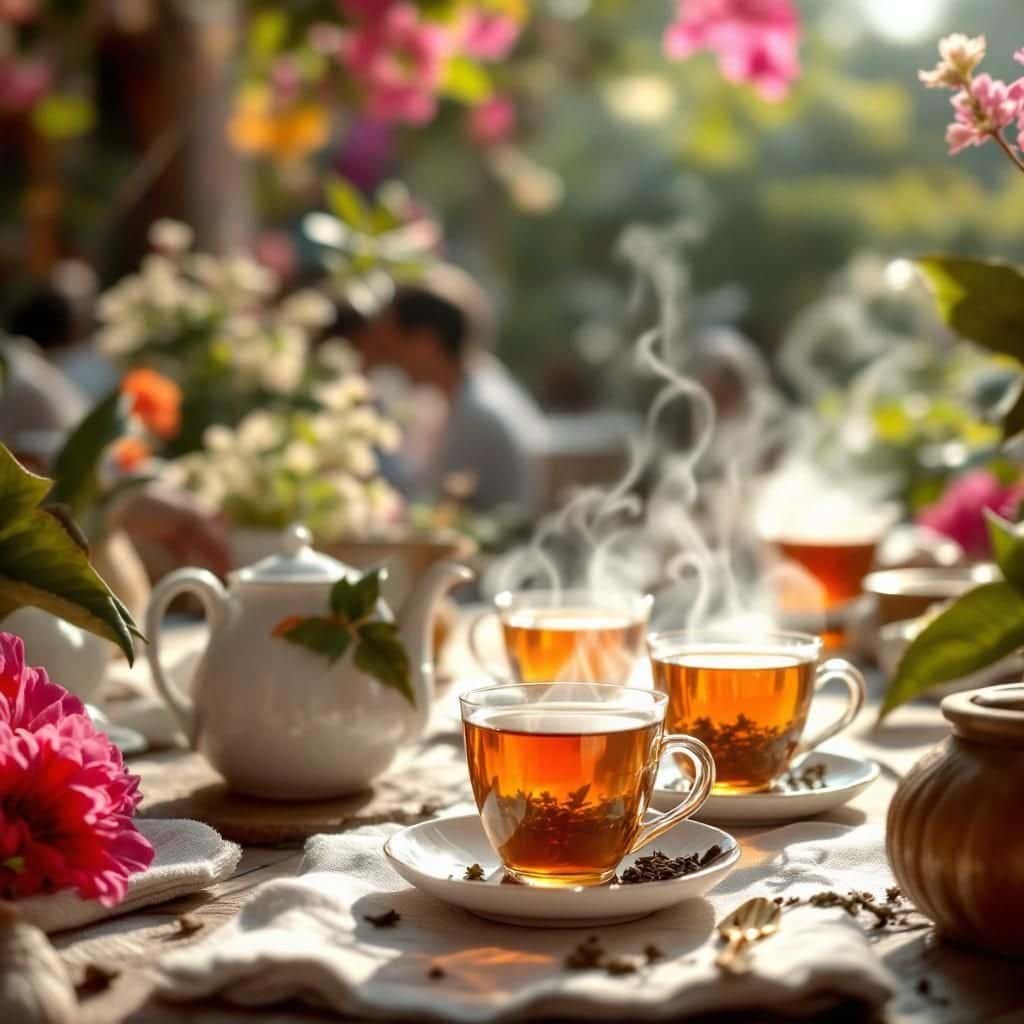
Tea, or çay, is an integral part of Turkish society, serving as a bridge between generations and a medium for conversation. In Turkey, offering tea is synonymous with hospitality, and it’s not uncommon to see shopkeepers and businessmen pausing their day for a tea break. The traditional tea glass, slim-waisted and often accompanied by a cube of sugar, is a ubiquitous sight in homes and tea gardens across the country. These social settings, known as çay bahçesi, are where people gather to relax, converse, and enjoy this national drink.
The Çaydanlık: The Double Teapot Method

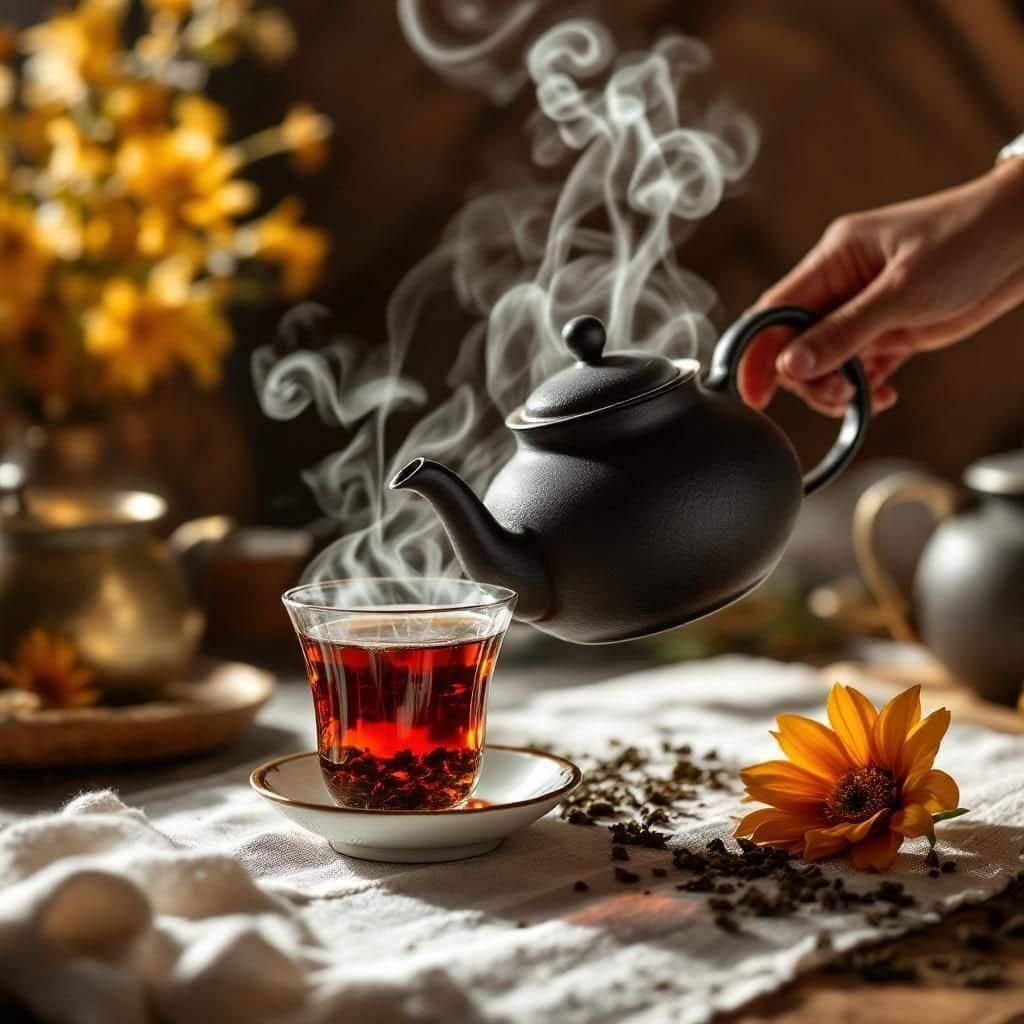
The art of Turkish tea preparation is centered around the çaydanlık, a unique double teapot system that allows for the brewing of strong tea in the upper pot, kept warm by the boiling water in the lower pot. This method not only creates a rich, concentrated brew but also allows for customization of tea strength to suit individual preferences. The tea is steeped in the upper pot for at least 15-20 minutes, allowing for the flavors to fully develop before being diluted with hot water from the lower pot. This dedication to tea ritual is shared across cultures — see how Chinese tea culture approaches the art of tea preparation.
Exploring the Black Sea Tea Region
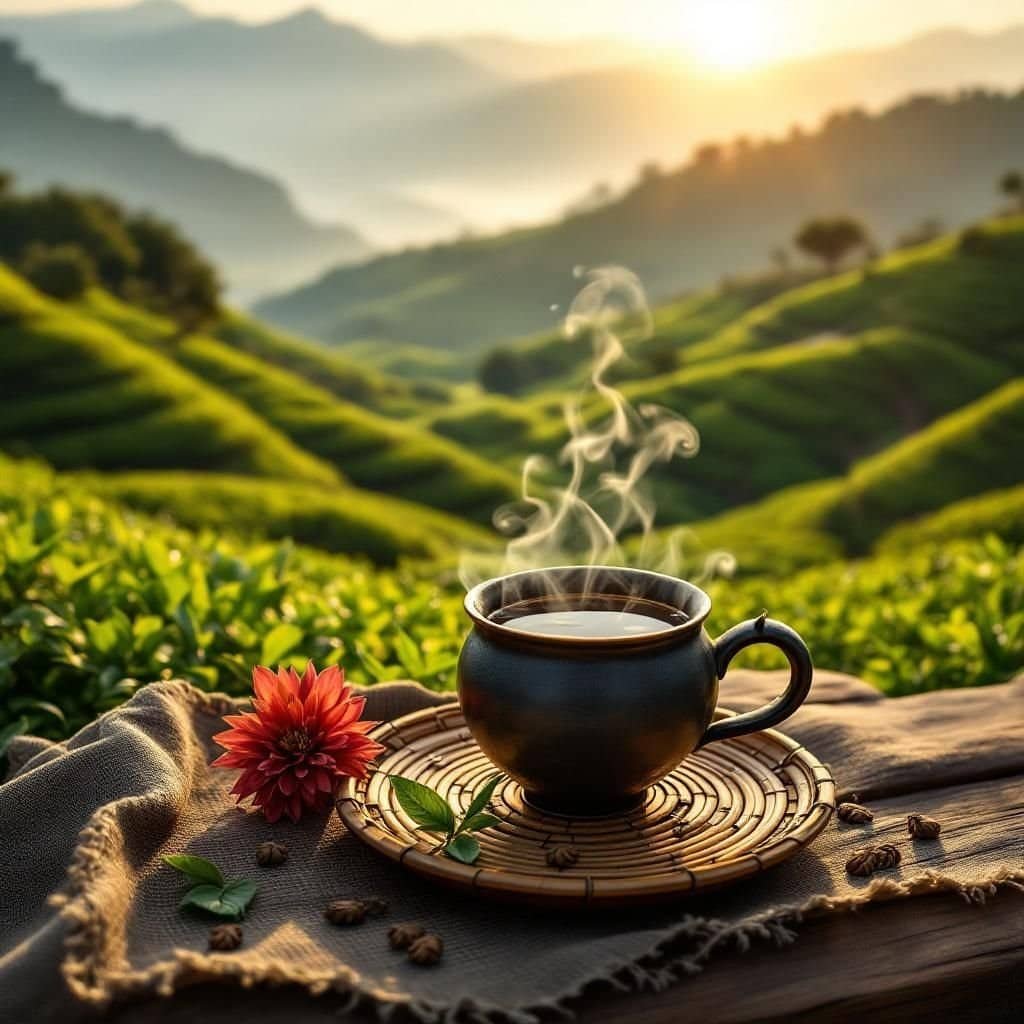
The lush and verdant Black Sea region is the heart of Turkey’s tea production, thanks to its humid climate and fertile soil. Rize, a city set along the coast, is particularly famous for its high-quality tea gardens. Visitors to this region can explore sprawling tea plantations, witness the plucking of tea leaves, and learn about the intricate processing methods that transform fresh leaves into the distinctive Turkish çay. The Black Sea region’s tea is renowned for its robust flavor and deep red hue, which is celebrated across Turkey.
Types of Turkish Tea and Tasting Notes
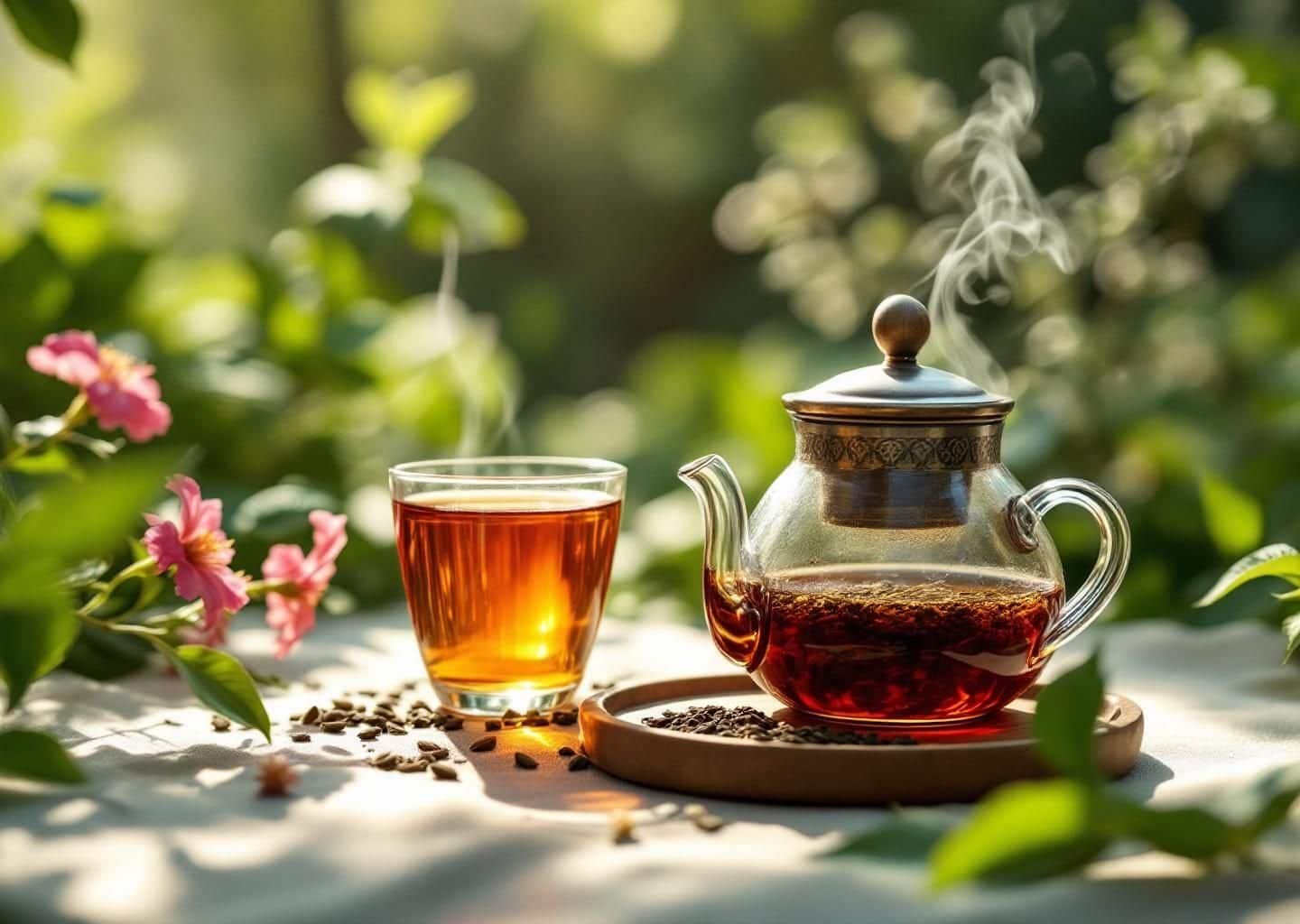
Turkish tea is predominantly black tea, known for its bold and full-bodied flavor. The tea is typically served without milk, allowing its natural characteristics to shine. When brewed correctly, Turkish tea has a deep amber color and a slightly astringent taste, balanced by its natural sweetness. While various blends and grades are available, traditional Turkish tea remains a staple in households, offering a comforting and familiar taste that is both invigorating and soothing. If you enjoy bold spiced teas, you may also love exploring the types of chai tea from India.
Tea Gardens and the Social Fabric of Turkey
Tea gardens, or çay bahçesi, are more than just places to drink tea; they are community hubs where people gather to unwind, socialize, and enjoy the scenic beauty of their surroundings. These gardens are often located in picturesque settings, offering views of lush landscapes or bustling cityscapes. Whether in a small village or a large city, tea gardens provide a welcoming environment where time seems to slow down, encouraging patrons to savor their tea and their company.
Brewing Authentic Turkish Çay at Home
Brewing Turkish çay at home can be a rewarding experience, allowing tea enthusiasts to immerse themselves in this rich cultural tradition. To begin, a çaydanlık is essential, along with high-quality loose leaf black tea. The process involves boiling water in the lower pot while adding tea leaves and a bit of water to the upper pot. Once the tea has steeped to the desired strength, it is served in small, tulip-shaped glasses. The final touch is to adjust the strength of the tea to personal preference by mixing tea from the upper pot with water from the lower pot.
Best Time to Visit Turkey for Tea Lovers
The best time to explore Turkey’s tea culture is from April to October, when the weather is mild and the tea gardens are in full bloom. During these months, visitors can experience the tea harvest in the Black Sea region and participate in local festivals celebrating the country’s tea heritage. The pleasant climate also makes it an ideal time to enjoy outdoor tea gardens and explore the scenic landscapes that contribute to Turkey’s rich tea tradition.
How to Get There
Reaching Turkey for a tea-focused journey is convenient, with Istanbul serving as the primary gateway for international travelers. From Istanbul, domestic flights to Rize and other cities in the Black Sea region are readily available. Alternatively, travelers can opt for scenic train or bus journeys that offer a glimpse of Turkey’s diverse landscapes. Within cities, local transportation options such as buses and trams make it easy to explore various tea destinations and cultural sites.
Where to Stay: From Tea Estates to Urban Comfort
Accommodation options in Turkey range from charming tea estate stays in the Black Sea region to luxurious hotels in Istanbul. For an immersive experience, consider staying at a local bed and breakfast or a guesthouse near tea plantations, where you can wake up to the aroma of brewing çay. In cities, boutique hotels and modern accommodations offer comfort and convenience, often located near popular tea gardens and cultural attractions.
Costs and Budgeting for Your Tea Trip
A trip to explore Turkish tea culture can be budget-friendly, with daily expenses ranging from $50 to $150 depending on accommodation choices and dining preferences. Meals in local eateries are affordable, and tea, being a staple, is often offered at nominal prices. Transportation costs are reasonable, especially when using public transit or shared rides. For those interested in guided tours of tea plantations, package deals are available that include transportation, meals, and tastings.
Sample Itineraries for Tea Enthusiasts
For a comprehensive tea experience, consider these sample itineraries:
- 3-Day Itinerary: Spend a day exploring Istanbul’s tea gardens and cultural sites, followed by a two-day excursion to the Black Sea region to visit Rize’s tea plantations and enjoy local hospitality.
- 5-Day Itinerary: Begin with two days in Istanbul, delving into the city’s storied past and vibrant tea culture, then head to the Black Sea for three days of tea tours, tastings, and relaxation in scenic tea gardens.
- 7-Day Itinerary: Enjoy a full week that includes Istanbul, the Black Sea region, and additional cultural attractions such as Cappadocia or Pamukkale, with ample time for tea exploration and leisure activities.
Related Guides
- Exploring the Black Sea Tea Region
- Tea Gardens of Istanbul: A Cultural Exploration
- Tea Ceremonies Around the World
- Best Tea Estates to Visit in 2023
- How to Brew the Perfect Cup of Tea
Frequently Asked Questions
What is the significance of tea in Turkish culture?
Tea is a symbol of hospitality and a central part of social life in Turkey, often used to welcome guests and facilitate conversation.
How is Turkish tea typically served?
Turkish tea is served in small, tulip-shaped glasses, usually without milk, and is accompanied by sugar on the side.
What makes the Black Sea region ideal for tea growing?
The Black Sea region’s humid climate and fertile soil provide perfect conditions for cultivating high-quality tea.
Can I visit tea plantations in Turkey?
Yes, many tea plantations in the Black Sea region offer tours where visitors can learn about tea cultivation and processing.
What is a çaydanlık and how is it used?
A çaydanlık is a double teapot used to brew Turkish tea, with one pot for boiling water and another for steeping the tea.
Plan Your Turkish Tea Journey
From the misty tea gardens of Rize to the bustling çay houses of Istanbul, Turkey offers an unforgettable tea travel experience. Discover more tea destinations and start planning your adventure.

