
Japan Tea Travel Guide 2026: Japan is the world’s premier destination for tea tourism, offering experiences from Uji’s matcha fields near Kyoto to Shizuoka’s vast sencha plantations and Kagoshima’s volcanic-soil teas. Visitors can participate in traditional tea ceremonies (chanoyu), pick tea leaves, attend blending workshops, and stay in ryokans with immersive tea experiences. The best times to visit are spring (March–May) and autumn (September–November). A Japan Rail Pass makes traveling between tea regions efficient and affordable.
Why Japan Is the Ultimate Tea Travel Destination
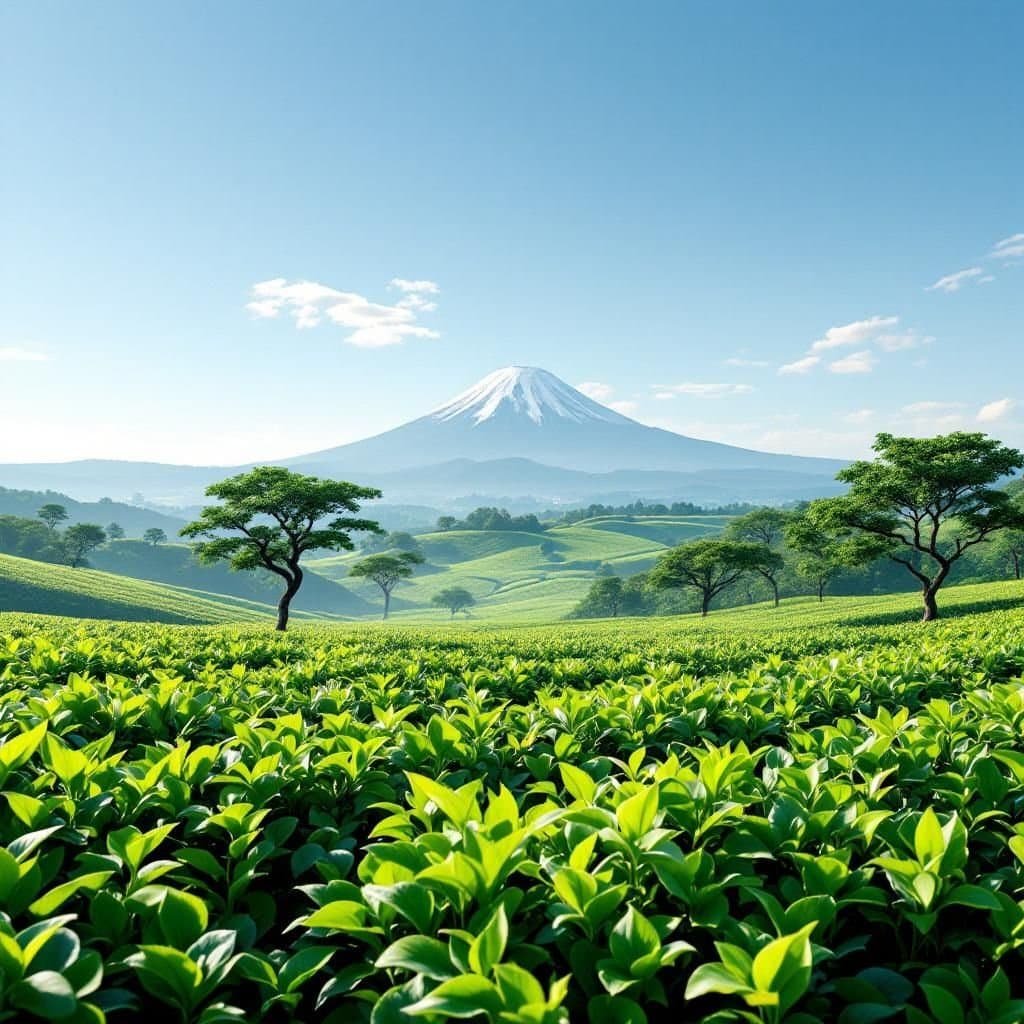
Japan is renowned for its rich tea culture, which has been cultivated over centuries. From its origins in China, tea was introduced to Japan in the 9th century and has since evolved into a unique tradition that encapsulates the Japanese aesthetic of simplicity and tranquility. The country’s diverse climate and geography provide ideal conditions for growing a variety of tea types, each with distinct flavors and characteristics. These elements make Japan an unparalleled destination for tea enthusiasts seeking an immersive experience.
Japanese tea culture is deeply intertwined with the country’s history and spirituality, particularly through the art of the tea Kyoto tea ceremony experiences, or ‘chanoyu’. This ceremonial preparation and presentation of matcha (powdered green tea) is a profound ritual that reflects the principles of harmony, respect, purity, and tranquility. Travelers to Japan have the opportunity to experience this ritual firsthand, making it a compelling draw for those interested in both tea and cultural immersion.
Moreover, Japan’s commitment to preserving its natural landscapes and traditional practices ensures that tea tourism here is not just about tasting tea but also about understanding and appreciating the broader cultural context. From the lush tea fields of Uji tea fields day trip to the serene temples of Kyoto, Japan offers a holistic tea travel experience that is both educational and deeply satisfying.
Japan’s Major Tea Regions at a Glance
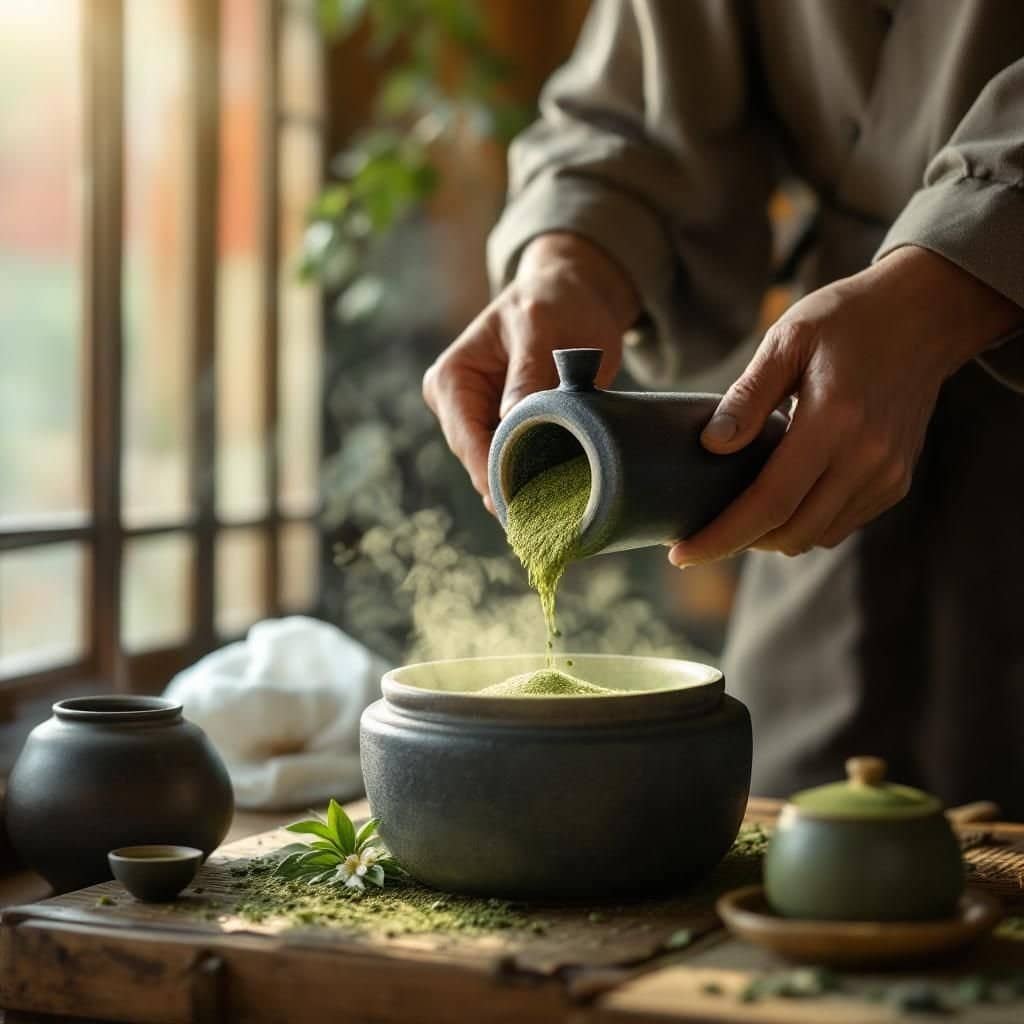
Japan’s tea regions are as varied as they are picturesque, each offering unique characteristics and flavors. The most renowned areas include Shizuoka tea region, Uji, and Kagoshima. Shizuoka, located on the Pacific coast, is Japan’s largest tea-producing region, accounting for over 40% of the country’s total production. This region is especially famous for its sencha, a type of steamed green tea known for its refreshing taste and vibrant green color. For a focused day trip, the Uji tea fields day trip is an excellent starting point for exploring Japan’s tea heritage.
Uji, near Kyoto, is celebrated for its matcha, which is used in traditional tea ceremonies. The region’s misty climate and fertile soil contribute to the rich flavor and quality of its teas. Uji is often considered the birthplace of Japanese tea culture, and its products are prized for their delicate umami flavor and deep aroma.
Kagoshima, in the southern part of Kyushu, benefits from its warm climate and volcanic soil, which produce bold and robust teas. The region is known for its diverse tea varieties, including the unique kabusecha, a partially shaded tea that combines characteristics of sencha and gyokuro, offering a complex flavor profile that is both rich and smooth.
Types of Tea Produced in Japan
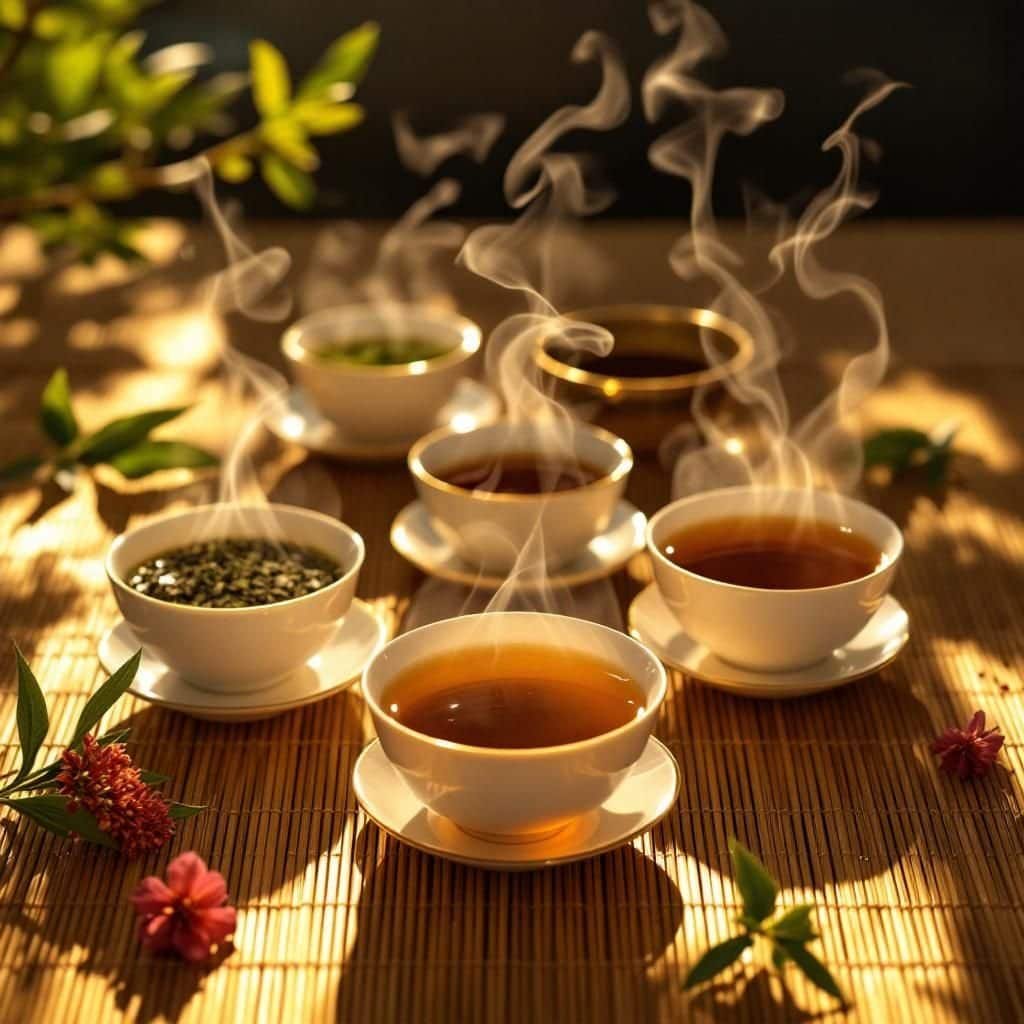
Japan is home to a variety of teas, each with distinct flavors and aromas that reflect the country’s diverse regions. The most common types include sencha, matcha, gyokuro, and hojicha. Sencha is a steamed green tea that is the most popular in Japan, known for its grassy and sweet flavor with a hint of astringency. The Shizuoka tea region is Japan’s largest tea-producing area and a must-visit for any tea enthusiast.
Matcha, a powdered green tea, is renowned worldwide for its vibrant green color and rich, umami flavor. It is a central element of the Japanese tea ceremony and is also used in many culinary applications, from desserts to savory dishes.
Gyokuro is a luxury green tea known for its sweet and mellow taste, achieved by shading the tea bushes before harvest to enhance the amino acid content. This process results in a tea that is both rich and delicate, with a full-bodied flavor.
Hojicha, a roasted green tea, offers a completely different taste profile with its warm, toasty flavor and reddish-brown color. The roasting process reduces the caffeine content, making it a popular choice for an evening drink.
Tea Tourism Experiences
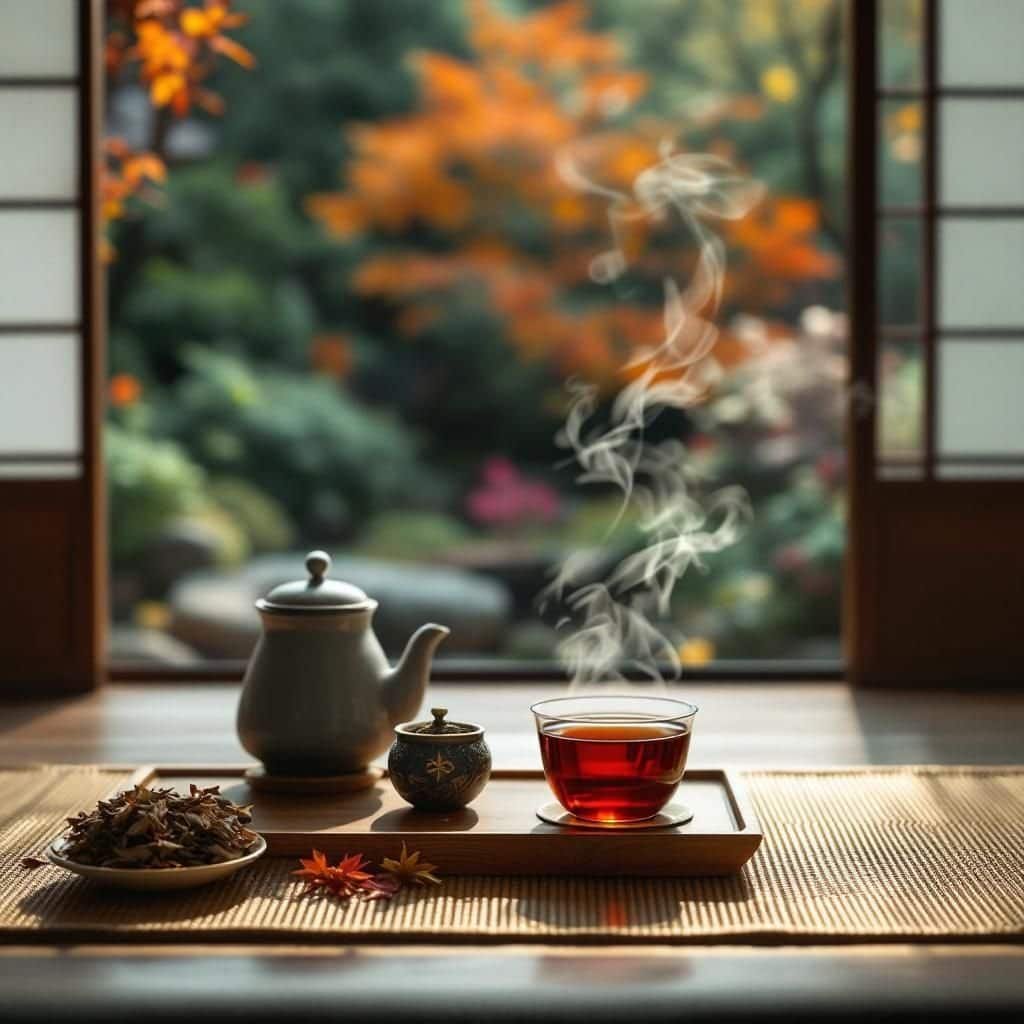
Japan offers a myriad of tea tourism experiences that cater to all levels of tea enthusiasts. Visitors can enjoy guided tours of tea plantations, participate in traditional tea ceremonies, and even take part in tea picking and processing workshops. In Shizuoka, for example, tourists can visit the scenic tea fields and learn about the cultivation and processing techniques that produce the region’s famous sencha. One of the most popular experiences is participating in Kyoto tea ceremony experiences, where you can learn the art of chanoyu firsthand.
In Uji, visitors have the chance to experience a traditional tea ceremony in historic tea houses, gaining insight into the rituals and philosophies that define this ancient practice. Additionally, many tea producers in Uji offer matcha grinding experiences, where tourists can grind their own matcha using traditional stone mills.
Kagoshima offers unique experiences such as the opportunity to blend your own tea. Visitors can choose from various tea leaves to create a personalized blend, guided by local tea masters who share their knowledge and expertise.
Best Time to Visit
The best time to embark on a tea travel journey in Japan depends on the region and the type of experience you seek. Generally, the spring (March to May) and autumn (September to November) are considered the best times to visit due to the mild weather and the vibrant scenery. Spring is particularly significant as it coincides with the first tea harvest, known as ‘shincha’, when the freshest and most delicate teas are produced.
Autumn offers a different charm with its colorful foliage providing a stunning backdrop to the tea fields. This season is also ideal for visiting tea houses and participating in indoor tea ceremonies, as the cooler weather complements the warming nature of tea.
Summer brings lush greenery and is suitable for those interested in outdoor activities such as tea picking. However, it can be quite humid, particularly in regions like Kagoshima. Winter, while less conventional for tea tourism, offers a peaceful and serene atmosphere, perfect for enjoying a hot cup of hojicha or genmaicha by a cozy hearth.
How to Get There
Japan is well-connected by air, with major international airports in Tokyo, Osaka, and Nagoya offering direct flights from numerous global cities. From these hubs, domestic flights, bullet trains, and regional rail services provide easy access to Japan’s tea regions.
The Shinkansen, or bullet train, is a popular mode of transport for tourists, offering a fast and efficient way to travel between cities. For instance, Shizuoka is just an hour away from Tokyo by Shinkansen, while Kyoto (near Uji) is about two hours from Tokyo.
Local transportation within the tea regions is also convenient, with buses and trains connecting major attractions and tea plantations. Renting a car can be a great option for those looking to explore more remote areas at their own pace.
Where to Stay
Accommodation options in Japan’s tea regions range from budget-friendly hostels to luxury ryokans (traditional Japanese inns). In Shizuoka, visitors can stay at tea farm guesthouses that offer authentic experiences such as tea tasting sessions and farm-to-table meals.
Uji offers charming ryokans that provide a blend of comfort and tradition, often featuring tatami mat rooms and open-air baths overlooking serene gardens. These establishments frequently include tea ceremonies as part of their hospitality, giving guests a truly immersive experience.
For those visiting Kagoshima, modern hotels and ryokans are available in the city, while countryside lodgings provide a peaceful retreat among the tea fields. Staying at a tea estate can offer a unique insight into the daily life of tea farmers and the production processes that create Kagoshima’s distinctive teas.
Costs and Budgeting
Traveling in Japan can vary in cost depending on the level of comfort and activities chosen. On average, a daily budget might range from $100 to $300 per person, covering accommodation, meals, transportation, and entrance fees to attractions.
Budget travelers can find affordable accommodations in hostels and guesthouses, with meals at local eateries offering delicious options without breaking the bank. Mid-range travelers might choose to stay in ryokans, enjoy guided tours, and dine at traditional restaurants.
For luxury travelers, Japan offers high-end hotels and exclusive tea experiences, such as private tea ceremonies and gourmet kaiseki dinners. These can significantly increase the overall travel budget but provide a memorable and indulgent experience.
Sample Itineraries
Creating an itinerary for a tea travel journey in Japan can be as flexible as you wish. Here are some sample itineraries to consider:
3-Day Itinerary
- Day 1: Arrive in Tokyo and travel to Shizuoka. Visit a local tea plantation for a tour and tasting session.
- Day 2: Explore the scenic tea fields of Shizuoka and participate in a tea picking experience.
- Day 3: Return to Tokyo and enjoy a matcha-themed afternoon tea at a traditional tea house.
5-Day Itinerary
- Day 1: Arrive in Kyoto and explore the historic city.
- Day 2: Travel to Uji for a day dedicated to matcha, including a tea ceremony and a visit to a matcha factory.
- Day 3: Visit nearby Nara for cultural sightseeing and tea tasting.
- Day 4: Head to Shizuoka for plantation tours and tea blending workshops.
- Day 5: Return to Kyoto and relax in a ryokan.
7-Day Itinerary
- Day 1: Arrive in Tokyo and travel to Kagoshima. Visit a local farm for a tour and tasting.
- Day 2: Explore Kagoshima’s tea fields and participate in a blending workshop.
- Day 3: Travel to Kumamoto for sightseeing and tea tasting.
- Day 4: Head to Kyoto and enjoy a traditional tea ceremony.
- Day 5: Visit Uji for matcha experiences and cultural tours.
- Day 6: Explore Shizuoka’s tea plantations and savor local cuisine.
- Day 7: Return to Tokyo for departure.
Related Guides
- Shizuoka Tea Travel Guide
- Exploring Uji: The Heart of Matcha
- Kyoto Tea Experiences
- Kagoshima Tea Tour Adventure
- Understanding the Japanese Tea Ceremony
Japan Tea Travel Tips: Practical Guide for 2026
Planning a tea-focused trip to Japan requires some preparation. Here are the essential tips to make the most of your Japan tea travel experience:
- Book tea ceremony experiences in advance: Popular tea ceremony venues in Kyoto and Uji fill up weeks ahead, especially during cherry blossom season (late March–April) and autumn foliage (October–November).
- Get a Japan Rail Pass: A 14-day JR Pass (~$500 USD) covers Shinkansen travel between Tokyo, Kyoto, Shizuoka, and Kagoshima — the four main tea regions.
- Learn basic Japanese tea vocabulary: Knowing terms like matcha (powdered green tea), sencha (steamed green tea), gyokuro (shade-grown premium green tea), and chanoyu (tea ceremony) will enrich your interactions with local tea masters.
- Visit tea farms during harvest season: The first flush (ichibancha) harvest in late April–May is the most prized. Many farms in Shizuoka and Uji offer hands-on picking experiences during this period.
- Budget for premium experiences: A private tea ceremony lesson with a certified tea master costs ¥5,000–¥15,000 ($35–$100 USD). Tea farm stays range from ¥15,000–¥50,000 ($100–$350 USD) per night.
- Respect tea ceremony etiquette: Arrive on time, remove shoes when entering tea rooms, accept tea with both hands, and turn the bowl clockwise before drinking to avoid drinking from the “front” of the bowl.
Best Time to Visit Japan’s Tea Regions
| Region | Best Season | Highlight |
|---|---|---|
| Uji (Kyoto) | April–May, October–November | First flush matcha harvest, tea ceremony experiences |
| Shizuoka | April–June | Sencha harvest, Mt. Fuji views from tea fields |
| Kagoshima | March–May (earliest harvest in Japan) | Volcanic soil teas, Sakurajima backdrop |
| Nishio (Aichi) | April–May | Matcha production capital, factory tours |
Frequently Asked Questions
What is the best time to visit Japan for tea tourism?
The best times are spring (March-May) and autumn (September-November) for mild weather and vibrant scenery.
Is it possible to participate in a tea ceremony in Japan?
Yes, many tea houses and cultural centers offer tea ceremonies for tourists.
What types of tea can I expect to find in Japan?
Common types include sencha, matcha, gyokuro, and hojicha, each with unique flavors.
Are there any unique tea experiences in Japan?
Yes, visitors can enjoy tea picking, blending workshops, and matcha grinding experiences.
How can I travel between the tea regions in Japan?
The Shinkansen (bullet train) and regional rail services offer convenient travel options.
yes
🍵 Explore More Tea Travel Destinations
Japan is just one chapter in the world’s great tea travel story. From Darjeeling’s misty estates to Sri Lanka’s hill country trails and Taiwan’s high mountain oolongs, SteepedTravels has you covered.
📧 Get Our Free Tea Travel Newsletter
Join thousands of tea travelers who receive our weekly guides to the world’s best tea destinations, seasonal harvest alerts, and exclusive travel tips.