
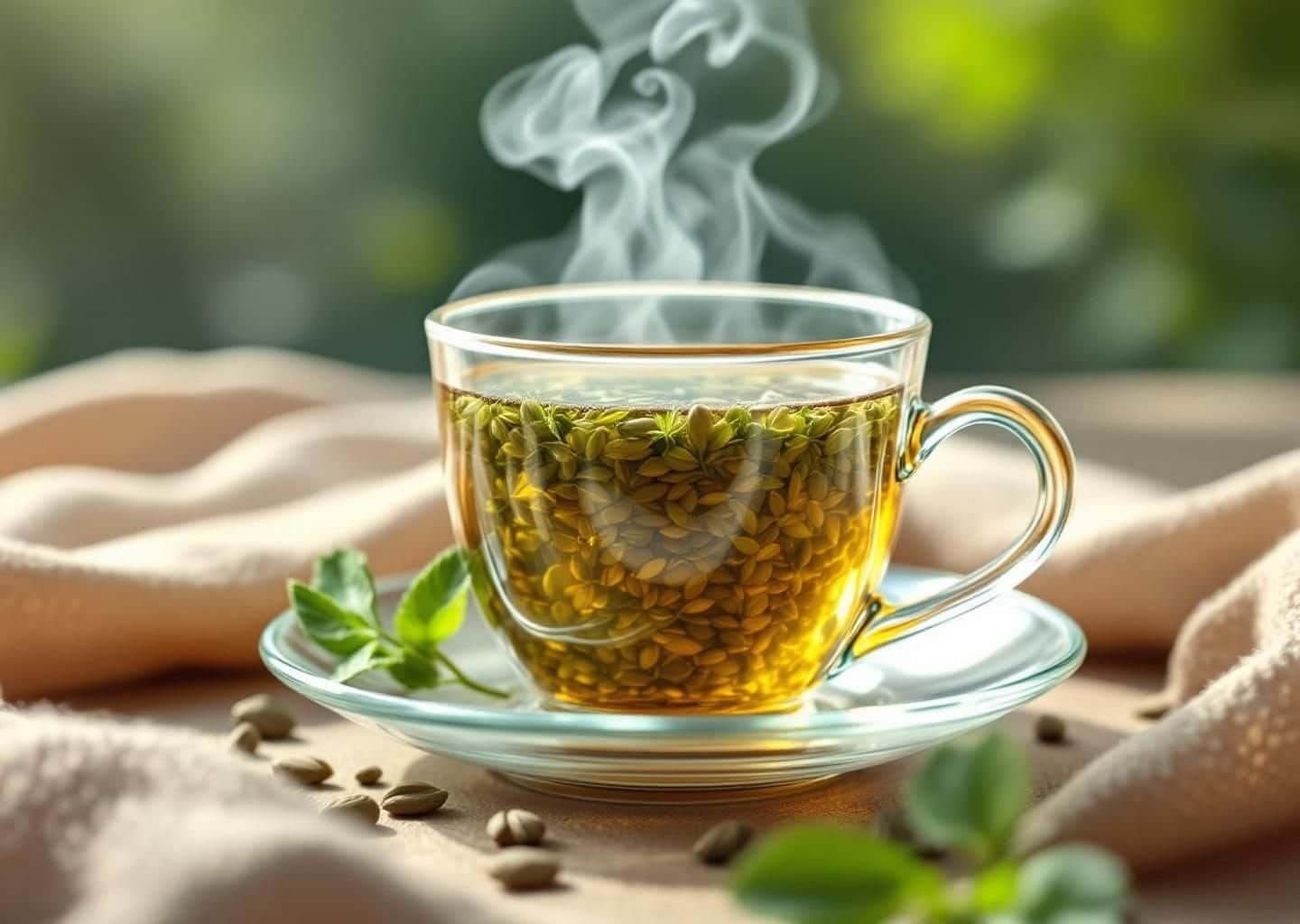
Quick Answer: Fennel Tea Benefits — Fennel tea is an herbal infusion made from fennel seeds (Foeniculum vulgare) known for its digestive benefits, anti-inflammatory properties, and mild licorice flavor. Key benefits include relieving bloating and gas, supporting digestion, reducing inflammation, and providing antioxidants. Steep 1 tsp crushed fennel seeds in 8oz hot water for 5–10 minutes. Safe for most adults; avoid in large amounts during pregnancy.
What Is Fennel Tea?
Fennel tea is an herbal infusion made from the seeds of the fennel plant, known scientifically as Foeniculum vulgare. This aromatic perennial herb is native to the Mediterranean region but is now cultivated worldwide for its culinary and medicinal uses. The seeds of the fennel plant are rich in essential oils, which give the tea its distinctive licorice-like flavor and aroma. Fennel tea is traditionally consumed for its soothing properties, particularly in aiding digestion and relieving gastrointestinal discomfort.
Fennel seeds contain various bioactive compounds such as anethole, fenchone, and estragole, which are believed to contribute to its health benefits. These compounds have been studied for their potential anti-inflammatory, antimicrobial, and antioxidant effects. Fennel tea is caffeine-free, making it a popular choice for those looking to reduce caffeine intake or seeking a calming beverage before bedtime.
Health Benefits of Fennel Tea
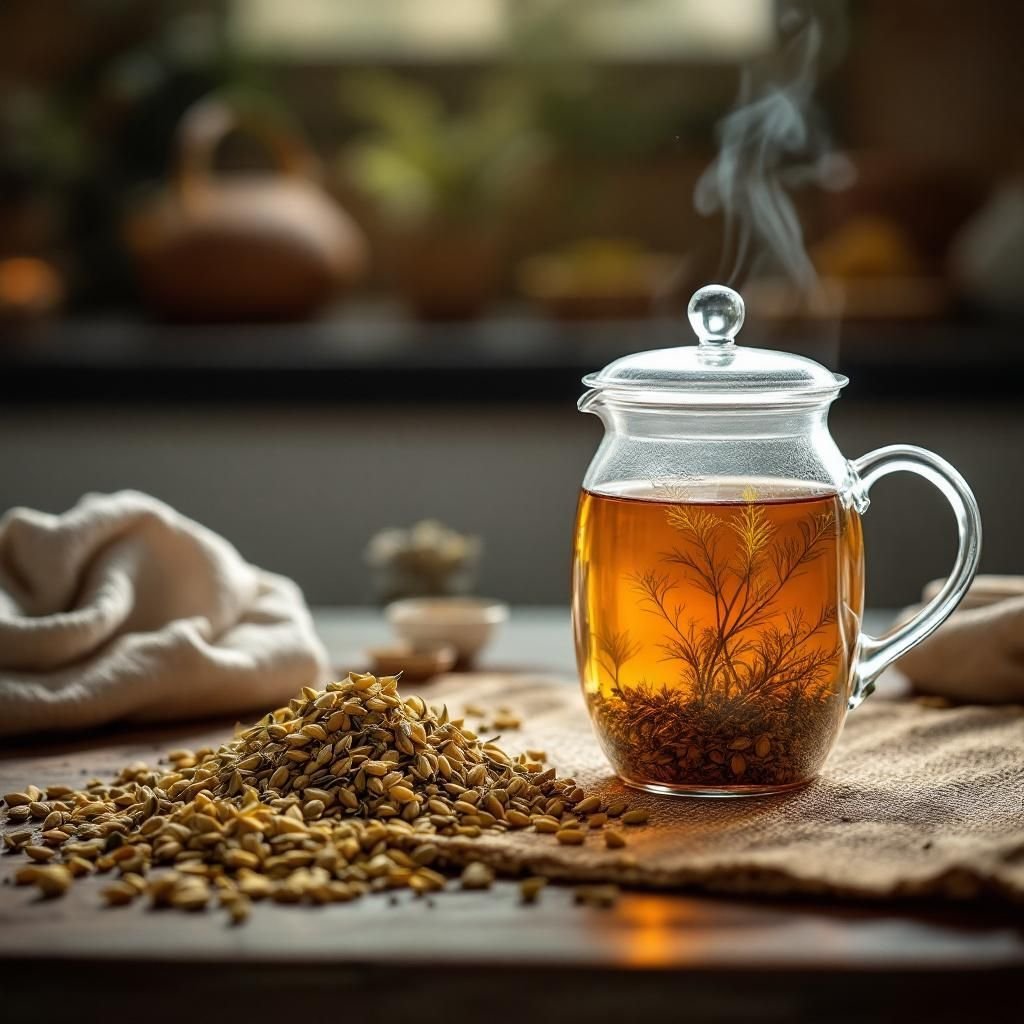
Fennel tea is renowned for its numerous health benefits, many of which have been validated by scientific research. One of the primary benefits of fennel tea is its ability to aid digestion. It helps relax the muscles in the gastrointestinal tract, reducing bloating and gas, and is often recommended for individuals suffering from irritable bowel syndrome (IBS) or other digestive issues. A study published in the Journal of Ethnopharmacology found that fennel has significant spasmolytic and carminative effects, which help alleviate symptoms of digestive distress.
In addition to its digestive benefits, fennel tea is also believed to support respiratory health. The essential oils in fennel have expectorant properties, helping to clear the respiratory tract of mucus and phlegm. This makes fennel tea a natural remedy for coughs and colds.
Furthermore, fennel tea is rich in antioxidants, which help combat oxidative stress and reduce inflammation in the body. Regular consumption of fennel tea may support overall health by protecting cells from damage by free radicals and reducing the risk of chronic diseases.
Potential Side Effects

While fennel tea offers numerous health benefits, it’s important to be aware of potential side effects. One of the primary concerns with fennel tea is its content of estragole, a compound that has been shown to have carcinogenic effects in animal studies. However, the amounts present in fennel tea are typically considered safe for human consumption, especially when consumed in moderation.
Another potential side effect is allergic reactions. Some individuals may experience an allergic response to fennel, characterized by symptoms such as itching, swelling, or difficulty breathing. If you have known allergies to plants in the Apiaceae family, such as celery or carrot, it’s advisable to consult with a healthcare provider before consuming fennel tea.
Fennel tea may also interact with certain medications, particularly those metabolized by the liver. It is recommended to consult with a healthcare professional if you are taking any prescription medications to ensure there are no adverse interactions.
How to Make Fennel Tea

Making fennel tea at home is simple and requires just a few ingredients. To prepare fennel tea, you will need:
- 1 to 2 teaspoons of fennel seeds
- 1 cup of boiling water
Follow these steps to make a soothing cup of fennel tea:
- Crush the fennel seeds using a mortar and pestle to release their essential oils.
- Place the crushed seeds in a teapot or teacup.
- Pour boiling water over the seeds and cover the teapot or cup to trap the steam.
- Let the tea steep for about 10 minutes to extract the flavors and beneficial compounds.
- Strain the tea into a cup and enjoy it warm, optionally sweetened with honey (also great in honey lemon tea) or flavored with lemon.
Is Fennel Tea Safe?
Fennel tea is generally considered safe for most people when consumed in moderate amounts. However, due to the presence of estragole, it is advisable to consume fennel tea in moderation, particularly for pregnant and breastfeeding women. While there is no established daily limit, limiting intake to one or two cups per day is often recommended.
For individuals with specific health conditions or those taking medications, it is always best to consult with a healthcare provider before incorporating fennel tea into their diet. This ensures that there are no contraindications or potential interactions that could affect health.
Fennel Tea for Digestion
Fennel tea is widely acclaimed for its digestive benefits, making it a popular choice for individuals experiencing digestive discomfort. The tea works by relaxing the muscles in the intestines, which helps alleviate symptoms such as bloating, gas, and cramps. This is particularly beneficial for those suffering from conditions like IBS, where digestive distress is common.
Moreover, fennel tea acts as a carminative, which means it helps expel gas from the digestive tract, reducing bloating and discomfort. The antispasmodic properties of fennel tea also help in reducing stomach cramps and improving overall digestive function.
Conclusion
Fennel tea is a beneficial herbal infusion with a range of health benefits, particularly for digestion and respiratory health. For a broader look at herbal infusions, see our complete tisane and herbal tea guide. While it is generally safe, it is important to consume it in moderation and be aware of potential side effects, especially for individuals with specific health concerns. By incorporating fennel tea into your routine, you can enjoy its soothing effects and support your overall wellbeing.
Related Posts
- Herbal Teas for Digestion
- Tea Health Benefits
- Guide to Herbal Teas
- Peppermint Tea Benefits
- Chamomile Tea Guide
Explore More Tea wellness Guides
Fennel tea is just one of many herbal teas with remarkable health benefits. Discover more wellness teas and tea travel experiences on Steeped Travels.
Related: Spearmint Tea Benefits | Best Tea Estate Stays
Frequently Asked Questions
What are the main benefits of fennel tea?
Fennel tea aids digestion, reduces bloating, and supports respiratory health due to its natural compounds with anti-inflammatory and antioxidant properties.
Can fennel tea cause any side effects?
While generally safe, fennel tea may cause allergic reactions and interact with certain medications. Moderation is key to avoiding estragole-related risks.
Is fennel tea good for digestion?
Yes, fennel tea is excellent for digestion as it relaxes intestinal muscles, reduces gas, and alleviates symptoms of digestive distress like bloating and cramps.
How should I prepare fennel tea?
Crush 1-2 teaspoons of fennel seeds, steep in boiling water for 10 minutes, strain, and enjoy. Optional additions include honey or lemon for flavor.
Is fennel tea safe during pregnancy?
Pregnant women should consume fennel tea in moderation due to estragole content. It’s advisable to consult a healthcare provider before consumption.
yes
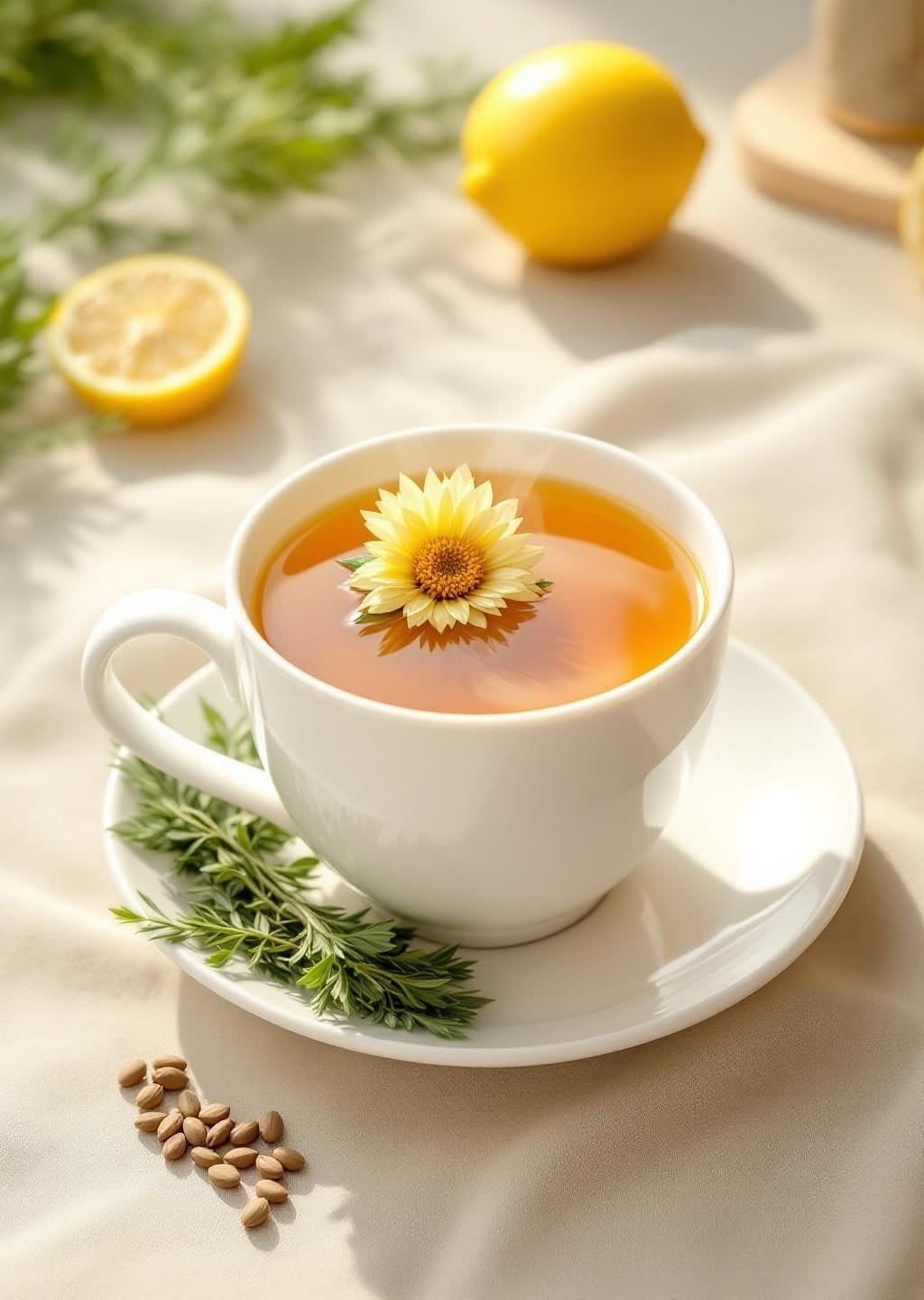
Brewing fennel tea correctly ensures you extract the maximum beneficial compounds from the seeds. The method you choose — whether using whole seeds, crushed seeds, or pre-made tea bags — significantly affects the flavor intensity and health benefits you receive. Timing your fennel tea consumption can enhance its effectiveness. Drink it after meals to aid digestion and reduce bloating. For sleep support, enjoy a cup 30 minutes before bedtime. Those using it for morning detox can drink it on an empty stomach, though this may cause mild nausea in sensitive individuals. Understanding how fennel tea compares to similar herbal teas helps you choose the right option for your specific health goals. The quality of your fennel seeds directly impacts the flavor and potency of your tea. Look for organically grown fennel seeds from reputable suppliers to avoid pesticide residues. Fresh seeds should have a bright green-brown color and a strong, sweet aroma when crushed. Avoid seeds that appear dull, gray, or have little scent — these have lost their essential oils and will produce a weak, flavorless brew. For tea travelers, fennel is widely grown in Mediterranean regions, India, and China. Visiting local markets in these regions often yields the freshest, most aromatic fennel seeds at excellent prices — a wonderful addition to any tea-focused travel itinerary.How to Brew Fennel Tea for Maximum Benefits
Step-by-Step Brewing Guide
Best Time to Drink Fennel Tea
Fennel Tea vs. Other Herbal Teas: How Does It Compare?
Tea
Primary Benefit
Flavor Profile
Best For
Fennel Tea
Digestion, bloating relief
Sweet, licorice-like
Post-meal digestive aid
Peppermint Tea
IBS relief, headaches
Cool, minty
IBS and tension headaches
Ginger Tea
Nausea, inflammation
Spicy, warming
Nausea and cold symptoms
Chamomile Tea
Sleep, anxiety relief
Floral, mild
Bedtime relaxation
Sourcing Quality Fennel for Tea