

Why Uji Is Japan’s Premier Tea Destination
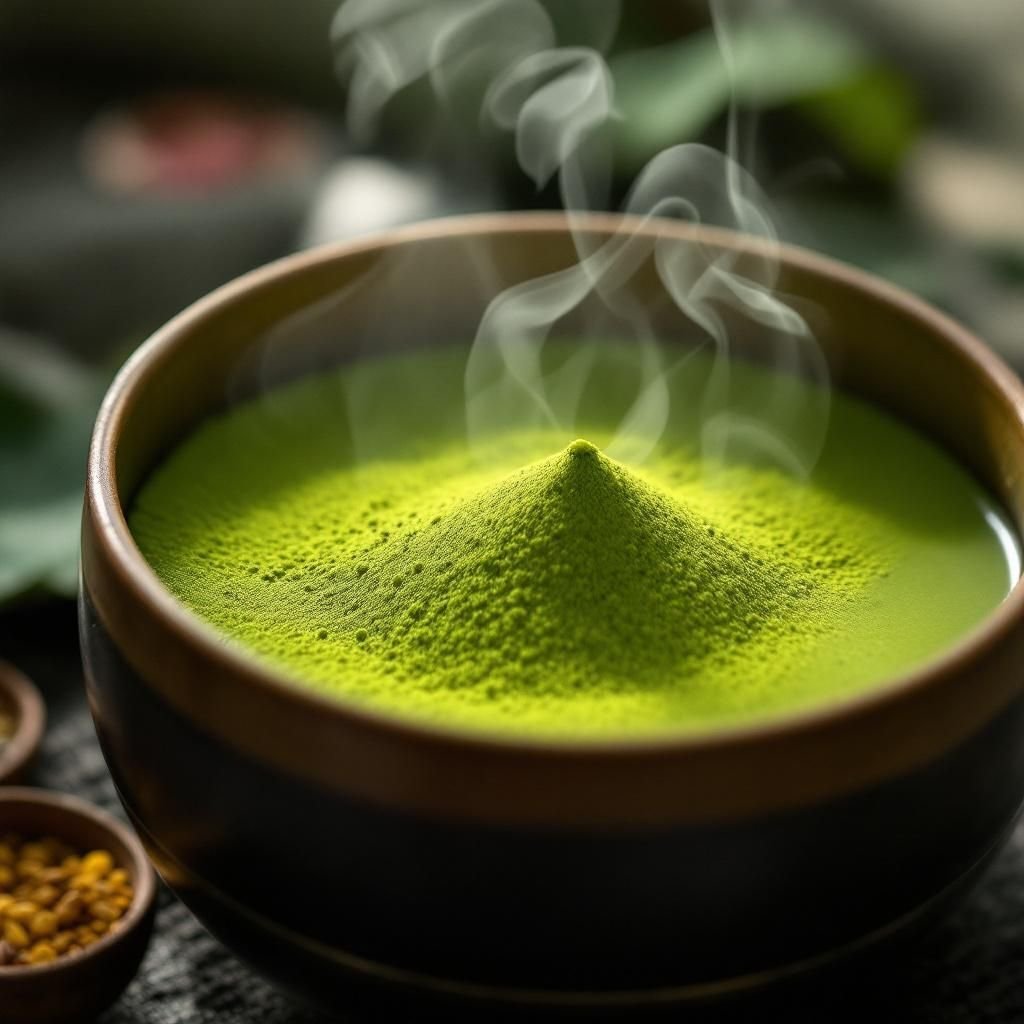
Uji, a quaint city located between Kyoto and Nara, is synonymous with high-quality tea production, particularly matcha. The region’s unique climatic conditions, with misty mornings and fertile soil, create ideal growing conditions for tea. Uji’s history as a tea cultivation hub dates back to the 12th century when it was first recognized for the exceptional quality of its green tea. The tradition has been meticulously preserved, making Uji a quintessential destination for tea enthusiasts looking to experience authentic Japanese tea culture. Pair your visit with Kyoto tea ceremony experiences.
One of the key reasons Uji is revered as a premier tea destination is its commitment to quality. The local farmers employ traditional cultivation and processing methods, ensuring that every leaf is handled with care. This dedication has earned Uji tea numerous accolades and a reputation that attracts tea lovers from around the world. Moreover, the cultural significance of tea in Uji is evident in its annual tea ceremonies and festivals, where visitors can immerse themselves in the deep history and artistry of Japanese tea preparation.
Getting to Uji from Kyoto

Traveling from Kyoto to Uji is convenient and straightforward, making it an ideal day trip destination. The JR Nara Line connects Kyoto Station to Uji Station in approximately 20 minutes. Alternatively, the Keihan Uji Line offers a scenic route from Sanjo Station to Uji, taking about 30 minutes. Both options provide frequent services, allowing travelers flexibility in planning their itinerary.
For those who prefer driving, Uji is accessible via the Meishin Expressway, with well-marked roads leading directly into the heart of the tea fields. Once in Uji, local buses, bicycles, and even guided tours are available to navigate the tea region and its attractions. Regardless of the chosen mode of transport, the journey offers picturesque views of Japan’s countryside, setting the tone for a serene tea-focused excursion.
Top Tea Farms to Visit in Uji
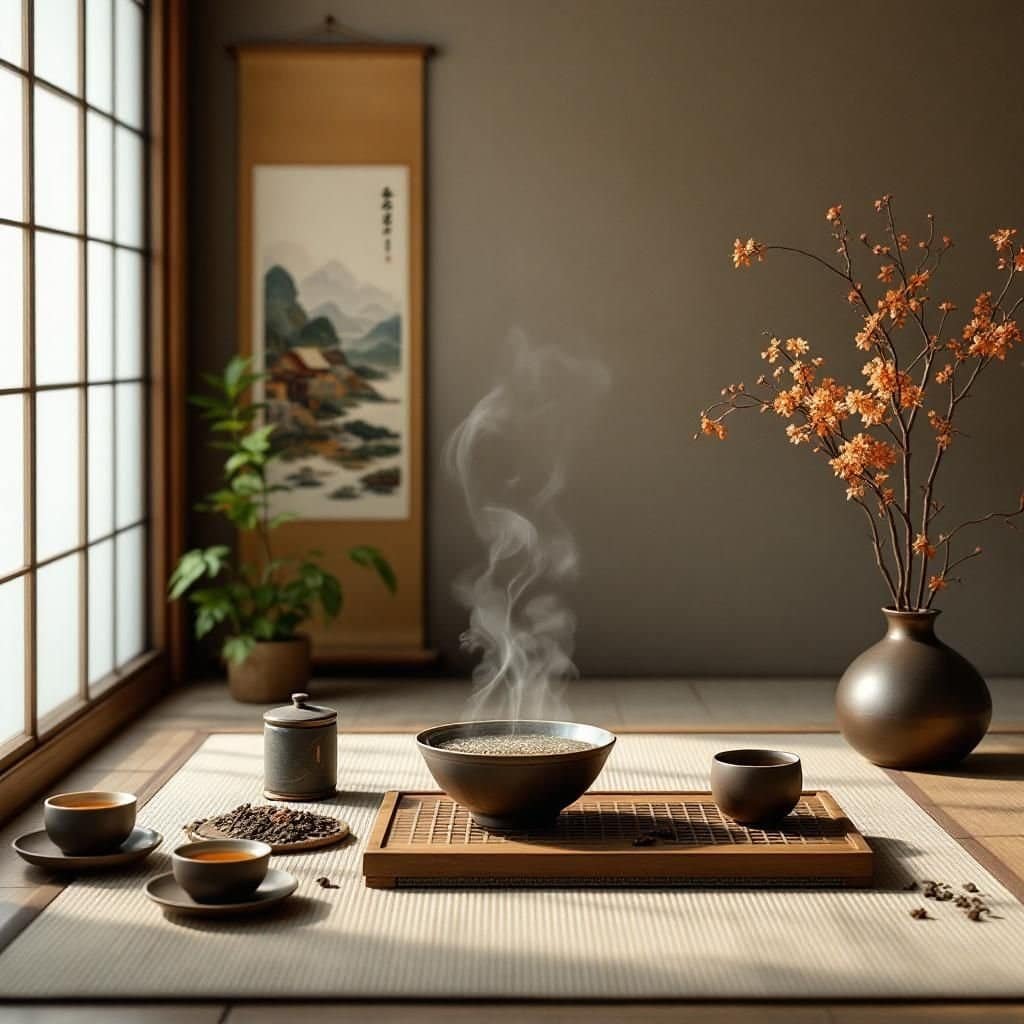
Uji is home to several renowned tea farms, each offering a unique glimpse into the world of Japanese tea production. One must-visit is the Tsuen Tea House, the oldest tea house in Japan, established over 850 years ago. Here, visitors can enjoy a cup of freshly brewed Uji matcha while learning about the historical significance of the establishment. Learn more about the types of Japanese green tea produced in this region.
Another notable farm is the Obubu Tea Plantations, where visitors can participate in guided tours that include tea picking, tasting sessions, and insights into the tea-making process. At Fukujuen Uji, guests can experience a hands-on matcha grinding activity using a traditional stone mill, an engaging way to appreciate the labor-intensive process behind this revered tea.
These farms not only offer educational experiences but also allow visitors to purchase premium Uji teas directly from the source, ensuring authenticity and quality.
types of tea Produced in Uji

Uji is best known for its matcha, a finely ground powder made from shade-grown tea leaves. This tea is characterized by its vibrant green color and rich, umami flavor profile. Matcha from Uji is often considered the gold standard, used in traditional tea ceremonies and high-end culinary applications worldwide.
Besides matcha, Uji produces other types of Japanese green teas such as sencha and gyokuro. Sencha, the most common green tea in Japan, offers a refreshing taste with grassy notes, while gyokuro is known for its sweet and mellow flavor, resulting from its unique shading process before harvest. Each type of tea from Uji is celebrated for its distinct characteristics, making the region a haven for tea connoisseurs eager to explore diverse flavors.
Tea Tourism Experiences in Uji
Uji’s tea tourism offers immersive experiences that cater to both novices and seasoned tea aficionados. Visitors can partake in traditional Japanese tea ceremonies, which provide a meditative experience focusing on the aesthetics of preparation and appreciation of tea. For a comprehensive overview of tea travel across Japan, see our Japan Tea Travel Guide 2026.
Tea tasting tours are also popular, allowing travelers to sample various Uji teas while learning about their unique properties and brewing techniques. Many tea houses offer workshops where visitors can try their hand at making matcha, guided by local experts who share techniques passed down through generations.
These experiences not only deepen one’s appreciation for Japanese tea culture but also offer a memorable connection to the heritage and craftsmanship of Uji’s tea artisans.
Best Time to Visit Uji
The best time to visit Uji for a tea-centric experience is during the spring and autumn months. In spring, from March to May, the tea fields are lush and vibrant, and visitors can witness the start of the tea-picking season. This period also coincides with the cherry blossom season, adding to the scenic beauty of the region.
Autumn, from September to November, offers cooler temperatures and the stunning autumn foliage that Japan is famous for. This is an excellent time for outdoor activities and exploring the tea fields without the summer crowds. Both seasons provide ideal weather for enjoying outdoor tea ceremonies and exploring the cultural sites of Uji.
How to Get There
Reaching Uji from Kyoto is convenient, with several transportation options to suit different preferences. The fastest way is by train, with the JR Nara Line providing a direct route from Kyoto Station to Uji Station. For those who prefer a more scenic journey, the Keihan Uji Line offers a beautiful ride through the countryside.
Driving is another option, with the journey from Kyoto to Uji taking around 30 minutes via the Meishin Expressway. Once in Uji, local transportation, including buses and rental bicycles, makes it easy to explore the tea fields and other attractions.
Regardless of the chosen method, the journey to Uji is part of the experience, offering glimpses of Japan’s natural beauty and setting the stage for a day immersed in tea culture.
Where to Stay
While Uji is primarily a day trip destination, those wishing to extend their stay can choose from a variety of accommodations, ranging from budget-friendly options to luxury experiences. For an immersive tea experience, consider staying at a tea estate offering guest accommodations, where you can wake up to views of the tea fields and participate in exclusive tea activities.
In the city center, traditional ryokans provide a cozy and authentic Japanese lodging experience, complete with tatami mats and futons. For those seeking modern comforts, several hotels in nearby Kyoto offer easy access to Uji while providing all the amenities of a city stay.
No matter where you choose to stay, the hospitality and charm of the region enhance the overall tea tourism experience.
Costs and Budgeting
Traveling to Uji for a tea tour can be tailored to fit various budgets. Daily expenses can range from affordable to luxurious, depending on the type of experiences and accommodations chosen. A basic day trip, including transportation, a tea ceremony, and a meal, can cost around ¥5,000 to ¥8,000 per person.
For a more comprehensive experience, including guided tours, workshops, and premium tea tastings, the cost may rise to ¥15,000 or more. Budget travelers can save by using public transportation and enjoying simple meals at local eateries, while those seeking luxury can indulge in private tours and dining at high-end tea houses.
Overall, Uji offers a range of options to suit different financial plans, ensuring that anyone can enjoy the rich tea culture of the region.
Sample Itineraries
For those planning a visit to Uji, here are sample itineraries to consider:
3-Day Itinerary
- Day 1: Arrive in Uji, visit Tsuen Tea House, participate in a tea ceremony.
- Day 2: Tour Obubu Tea Plantations, engage in a matcha grinding workshop at Fukujuen Uji.
- Day 3: Explore Byodoin Temple, enjoy a scenic walk along the Uji River, and depart.
5-Day Itinerary
- Days 1-2: Follow the 3-Day Itinerary.
- Day 3: Visit Ujigami Shrine, hike through the surrounding hills.
- Day 4: Take part in a full-day tea picking experience, learn about tea processing.
- Day 5: Relax with a riverside picnic, savor local Uji tea delicacies.
7-Day Itinerary
- Days 1-5: Follow the 5-Day Itinerary.
- Day 6: Day trip to Kyoto, explore Kiyomizu-dera and Gion district.
- Day 7: Leisurely morning in Uji, depart in the afternoon.
These itineraries provide a balanced mix of tea experiences, cultural exploration, and relaxation, allowing visitors to fully appreciate what Uji has to offer.
Related Guides
- Japan Tea Travel Guide
- Kyoto Tea Experiences
- Best Tea Houses in Japan
- Matcha Making Guide
- Japan Tea Ceremony Culture
Frequently Asked Questions
What is the best time to visit Uji for tea tourism?
The best time to visit Uji is during spring (March-May) and autumn (September-November) for favorable weather and beautiful scenery.
How can I book a tea tour in Uji?
Tea tours can be booked through local tour operators or directly with tea farms like Obubu Tea Plantations. Online reservations are often available.
Is it possible to visit Uji as a day trip from Kyoto?
Yes, Uji is an ideal day trip destination from Kyoto, with convenient train and bus connections.
What types of tea can I try in Uji?
Uji is famous for matcha, sencha, and gyokuro, each offering unique flavors and qualities.
Are there any cultural sites to visit in Uji?
Yes, notable sites include Byodoin Temple, Ujigami Shrine, and the scenic Uji River area.

yes
