
What to Expect
Ha Giang’s wild tea forests are part of a broader northern Vietnam tea trail. For deeper exploration, read our guide to ancient tea trees of Ha Giang and the hidden tea valleys of Son La.

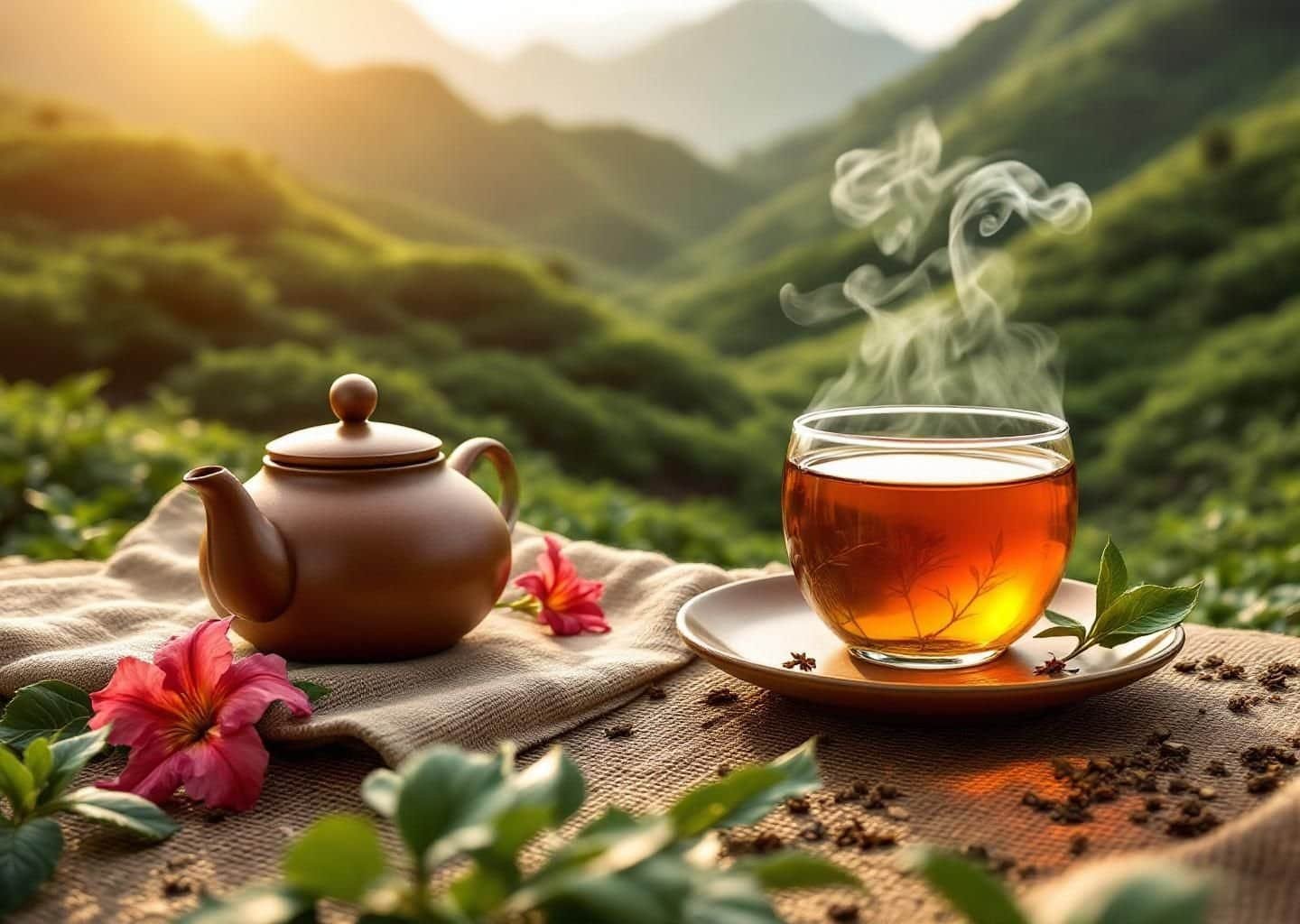
The Ha Giang wild tea forest is a little-known destination in Vietnam, offering travelers a unique opportunity to explore ancient tea landscapes that have been cultivated for centuries. The region is renowned for its Shan Tuyet tea, known for its distinct flavor and aroma, which grows on ancient tea trees that are often over 100 years old. Visitors can expect to traverse through misty mountains and lush green landscapes, encountering tea trees that soar over 10 meters tall.
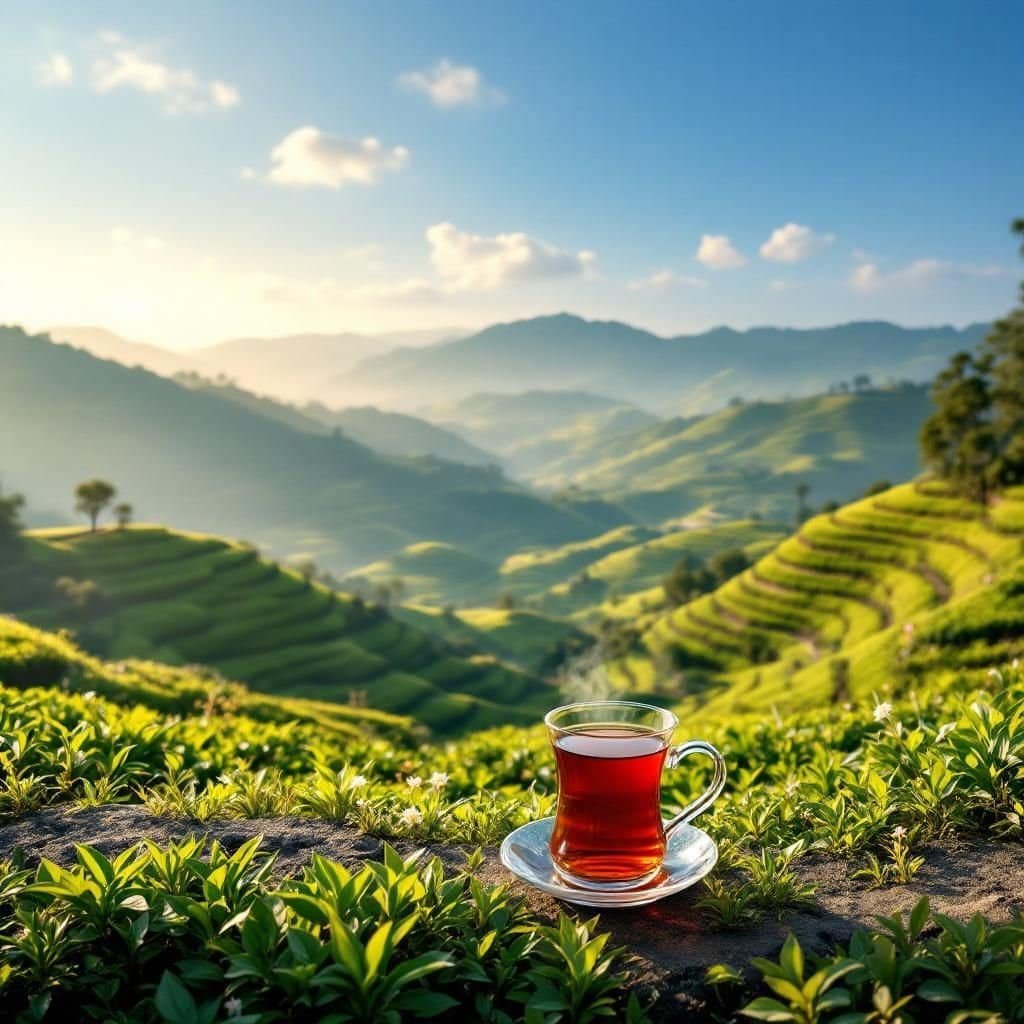
As you wander through the forests, you’ll be greeted by the sight of local farmers skillfully plucking tea leaves and the sound of nature’s symphony. The experience is immersive, with the scent of fresh tea leaves filling the air and the serene environment providing a perfect escape from the hustle and bustle of city life. The journey into these forests is not just about the tea; it’s about connecting with the land and understanding the cultural significance of tea cultivation in Vietnam.
Booking Information

To visit the Ha Giang wild tea forest, it is recommended to book a guided tour. Several local tour operators offer packages that include transportation, guided tours of the tea forests, and even tea tasting sessions. Booking in advance is advisable, especially during peak tourist seasons, to ensure availability. Tours can typically be booked online through travel websites or directly with local operators in Ha Giang.
Most tours provide English-speaking guides who are knowledgeable about the tea cultivation process and the history of the ancient trees. These guides offer valuable insights into the traditional methods of tea production and the unique characteristics of Shan Tuyet tea. It’s also possible to arrange bespoke tours that cater to specific interests, such as photography or cultural immersion.
Costs and What is Included
The cost of exploring the Ha Giang wild tea forests can vary depending on the type of tour chosen. On average, a full-day tour can range from $50 to $100 per person, which typically includes transportation, guide services, and a tea tasting session. Some tours also offer lunch with a traditional Vietnamese meal, providing a deeper dive into the local cuisine.
While the tour cost covers most of the essentials, it’s always a good idea to carry some extra cash for personal expenses or tips for the guides and local farmers who share their knowledge and hospitality. Many tours also provide the opportunity to purchase locally produced Shan Tuyet tea directly from the farmers, allowing you to take a piece of your experience home with you.
Tips for First-Timers
Before your visit, learn how to taste tea like a pro so you can fully appreciate the rare Shan Tuyet varieties you’ll encounter.
First-time visitors to the Ha Giang wild tea forests should prepare for a moderate level of physical activity, as the terrain can be uneven and challenging in places. Comfortable walking shoes, lightweight clothing, and a hat for sun protection are recommended. Bringing a reusable water bottle and some snacks can also be helpful, especially for longer tours.
Engaging with your guide and asking questions can greatly enhance your experience, as they can provide detailed explanations and stories about the tea and the local culture. Remember to respect the natural environment and the local customs, such as asking for permission before taking photographs of people or their homes.
Best Time to Go
The best time to visit the Ha Giang wild tea forest is during the dry season, which runs from October to April. During these months, the weather is cooler and more comfortable for trekking, with less chance of rain disrupting your plans. The spring months of March and April are particularly beautiful, as the tea trees are in full bloom, and the landscape is lush and vibrant.
Visiting during the harvest season, which typically occurs in April, allows you to witness the traditional tea plucking and processing methods. This period offers a more interactive experience, as you can see firsthand how the leaves are transformed into the aromatic Shan Tuyet tea.
Alternatives and Similar Experiences
For those looking to expand their tea tourism experience in Vietnam, the northern region offers several other fascinating destinations. Sapa, known for its breathtaking terraced landscapes and ethnic diversity, is another popular spot for tea enthusiasts. The Mai Chau Valley, with its picturesque vistas and vibrant cultural experiences, also offers opportunities to explore local tea plantations.
Each of these destinations provides a unique perspective on Vietnam’s tea culture, allowing travelers to compare different tea varieties and production methods. Engaging in these experiences not only broadens your understanding of tea but also enriches your appreciation for Vietnam’s diverse cultural heritage.
Related Guides
- Exploring Taiwan’s Tea Culture
- Ultimate Vietnam Tea Travel Guide
- Tea Adventures in Sapa, Vietnam
- Mai Chau Tea Discovery
- Cat Ba Island Tea Tour
Explore More Vietnam Tea Adventures
Ha Giang is just the beginning. Discover our complete guide to Vietnam’s tea regions — from Moc Chau’s terraced hills to Suoi Giang’s ancient trees — and download our free Vietnam Tea Travel Checklist with packing tips, visa info, and estate contacts.
Get the Vietnam Tea Guide →
Frequently Asked Questions
What is Shan Tuyet tea?
Shan Tuyet tea is a specialty tea from Vietnam, known for its large, snow-covered leaves and distinct aroma.
How old are the tea trees in Ha Giang?
Some of the tea trees in the Ha Giang wild tea forests are over 100 years old, with a few even older, contributing to the unique flavor profile of the Shan Tuyet tea.
Can I visit the tea forests on my own?
While it’s possible to explore independently, hiring a guide is recommended to enhance the experience and learn more about the local culture and tea production.
What should I wear when visiting the tea forests?
Wear comfortable walking shoes and lightweight clothing suitable for trekking.
Is it possible to buy Shan Tuyet tea directly from the farmers?
Yes, many tours offer the opportunity to purchase Shan Tuyet tea directly from local farmers, ensuring authenticity and quality.

