
For more tea travel inspiration, explore our guide to Ancient Tea Trees of Ha Giang.
What to Expect

Embarking on a Ha Giang tea trekking adventure is a journey into the heart of Vietnam’s northernmost province, where 300-year-old wild tea trees stand as silent guardians of the region’s long history and culture. This experience is not your typical tourist trek. Instead, it is an opportunity to delve into the lush Vietnam tea forest, where ancient shan tuyet tea trees are interwoven with the traditions of the Hmong and Dao ethnic minorities. Expect to traverse rugged terrains, witness breathtaking landscapes, and immerse yourself in the local tea culture that has been preserved through generations. For more tea travel inspiration, explore our guide to The Silent Ritual.
The trek takes you through verdant valleys, misty mountains, and vibrant ethnic villages. As you navigate the trails, local guides share stories of the region’s history and the significance of these ancient trees, offering a deeper understanding of the cultural tapestry of Ha Giang. Each step brings you closer to the towering tea trees, where you will learn about the traditional processing methods that transform the leaves into the distinctive shan tuyet tea, known for its unique flavor and aroma. For more tea travel inspiration, explore our guide to Boseong Green Tea Fields.
Booking Information

Booking a Ha Giang tea trekking tour is straightforward, with several local and international tour operators offering packages that cater to different preferences and budgets. It is advisable to book in advance, especially during peak travel seasons, to ensure availability and secure the best rates. Many tours include transportation from Hanoi, accommodations, meals, and guided treks, providing a hassle-free experience for travelers.
When selecting a tour, consider the itinerary and the level of difficulty of the trek. Some tours offer gentle walks suitable for all fitness levels, while others cater to more experienced trekkers seeking challenging routes. Ensure that the tour you choose includes visits to tea processing areas and interactions with the local Hmong and Dao communities for a comprehensive experience. For a more personalized adventure, private tours are available, offering greater flexibility and customization.
Costs and What is Included
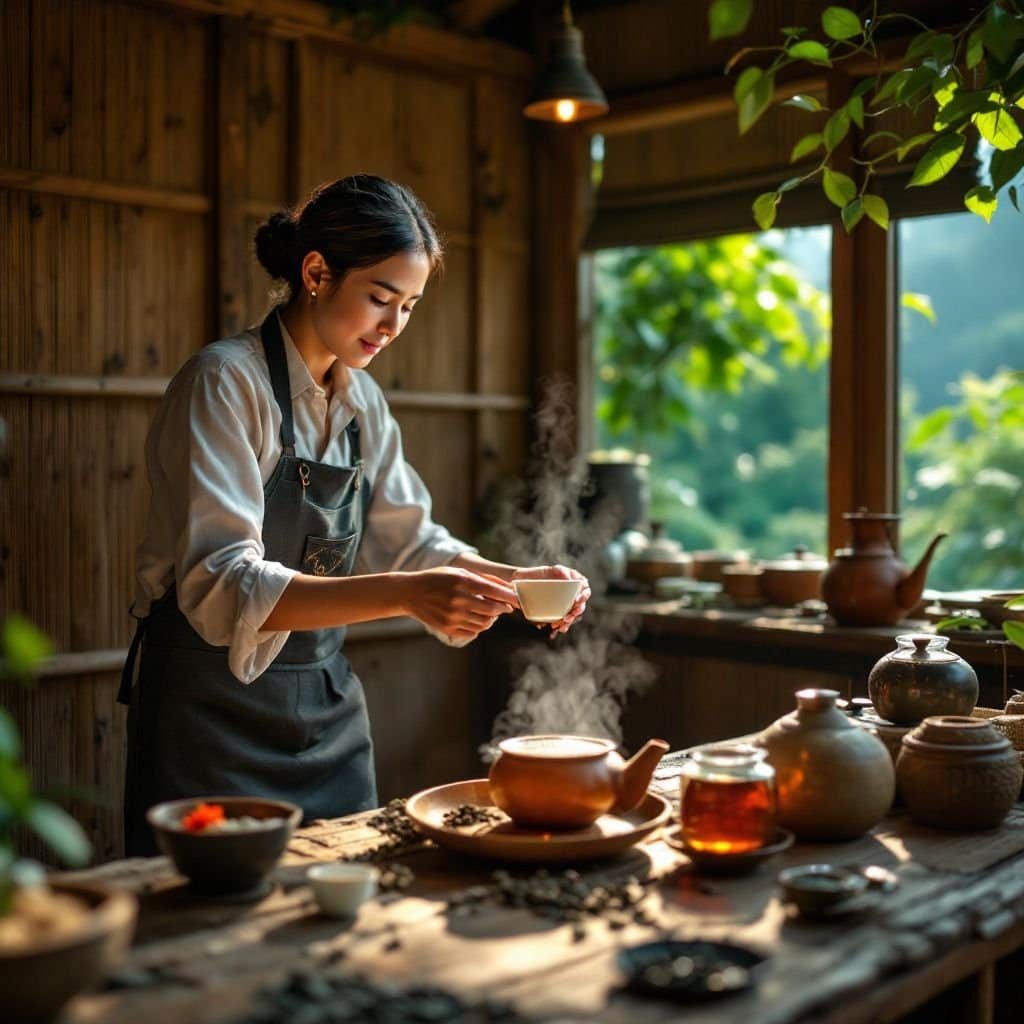
The cost of a Ha Giang tea trekking tour varies depending on the duration, itinerary, and level of comfort you desire. On average, expect to pay between $300 to $500 for a 3 to 5-day tour that includes transportation, accommodations, meals, and guided treks. Budget-friendly options are available for those willing to forgo certain luxuries, while premium tours offer additional amenities such as private guides and luxury accommodations.
Included in most packages are the services of an experienced local guide, who will provide insights into the region’s tea culture and ensure your safety throughout the trek. Accommodations range from homestays in ethnic villages to comfortable hotels in Ha Giang city, offering a glimpse into the local way of life. Meals typically feature traditional Vietnamese cuisine, with opportunities to taste dishes unique to the region, often accompanied by the distinctive shan tuyet tea.
Tips for First-Timers
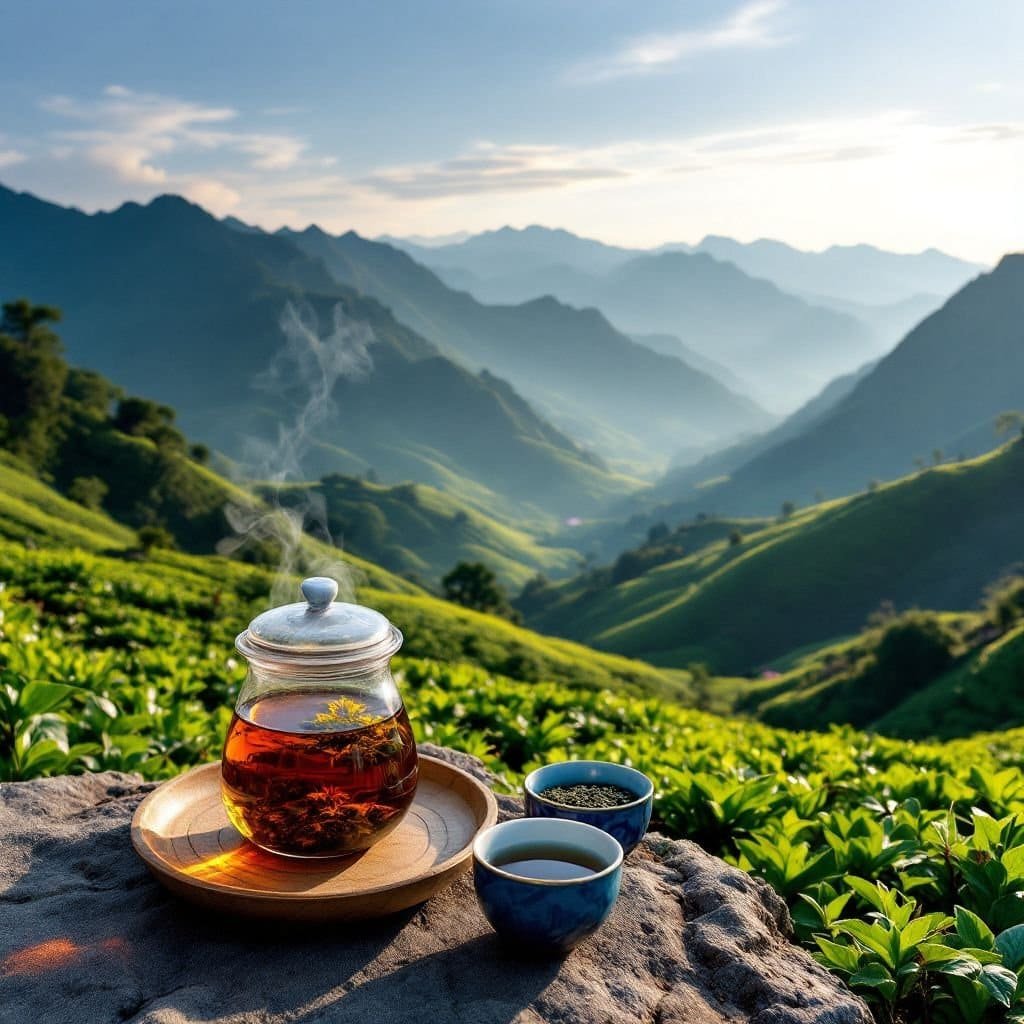
For first-time trekkers in Ha Giang, preparation is key to ensuring a smooth and enjoyable experience. Start by packing appropriately for the trek, including sturdy walking shoes, breathable clothing, and rain gear, as the weather can be unpredictable. A lightweight backpack is essential for carrying water, snacks, and other essentials during the day.
Acclimatize yourself to the local environment by spending a day or two in Ha Giang before starting the trek. This will help you adjust to the altitude and pace of the journey. Engage with your guides and fellow trekkers, as they can offer valuable tips and enhance your understanding of the region’s tea culture. Additionally, learning a few basic Vietnamese phrases or greetings in the local dialects can go a long way in building rapport with the ethnic communities you encounter.
Best Time to Go
The best time for Ha Giang tea trekking is during the dry season, from October to April, when the weather is cooler and the trails are more accessible. During these months, the region experiences less rainfall, making it easier to navigate the rugged terrains and enjoy the scenic landscapes. The cooler temperatures also provide a more comfortable trekking experience, especially during the day.
October and November are particularly popular, as the rice terraces are lush and golden, creating a stunning backdrop for your trek. Spring, from March to April, is another ideal time, as the tea trees begin to bloom, adding vibrant colors to the forests. While the rainy season from May to September can present challenges with wet and slippery trails, it also offers a unique perspective of the region’s lush greenery and revitalized landscapes.
Alternatives and Similar Experiences
If Ha Giang tea trekking piques your interest, consider exploring other regions in Vietnam and neighboring countries that offer similar tea-centric adventures. The Moc Chau Plateau in Vietnam’s northwest is renowned for its vast tea plantations and ethnic diversity, providing another immersive experience in Vietnam’s tea culture.
Across the border, Taiwan’s Alishan Mountains are famous for their high-altitude oolong teas and picturesque landscapes. Here, visitors can trek through tea gardens, participate in traditional tea ceremonies, and learn about Taiwan’s rich tea heritage. For those interested in exploring further afield, the tea estates of Darjeeling in India and the lush plantations of Sri Lanka offer additional opportunities to delve into the world of tea tourism.
Related Guides
Explore more tea tourism destinations and experiences:
- Discover Taiwan’s Tea Gardens
- Trekking the Tea Trails of Darjeeling
- Sri Lanka: A Tea Lover’s Paradise
- Exploring Moc Chau’s Tea Culture
- A Historical Journey Through Vietnam’s Tea History
Frequently Asked Questions
What is shan tuyet tea?
Shan tuyet tea is a type of green tea produced from ancient tea trees in Vietnam, known for its unique flavor profile and health benefits.
How difficult is the Ha Giang tea trekking?
The difficulty varies by tour, ranging from easy walks suitable for beginners to challenging treks for experienced hikers.
Can I visit the tea forests independently?
While possible, it is recommended to join a guided tour to ensure safety and gain deeper insights into the tea culture and local communities.
What should I bring for the trek?
Essential items include sturdy walking shoes, breathable clothing, a lightweight backpack, water, snacks, and a rain jacket.
Are there any health precautions I should take?
Ensure you have travel insurance, stay hydrated, and acclimatize to the altitude to minimize the risk of altitude sickness.
