
Explore more Japanese tea culture in our guide to The Silent Ritual.
Featured Snippet Summary: Kyoto Zen tea ceremonies are meditative matcha rituals held in historic temples like Daitokuji, guided by monks or tea masters. Expect silent meditation, tatami seating, wagashi sweets, and mindful preparation. Book 2+ weeks ahead; costs range from 3,000 to 10,000 yen. Best experienced in early winter or late summer for smaller crowds.
What to Expect at a Kyoto Zen Tea Ceremony
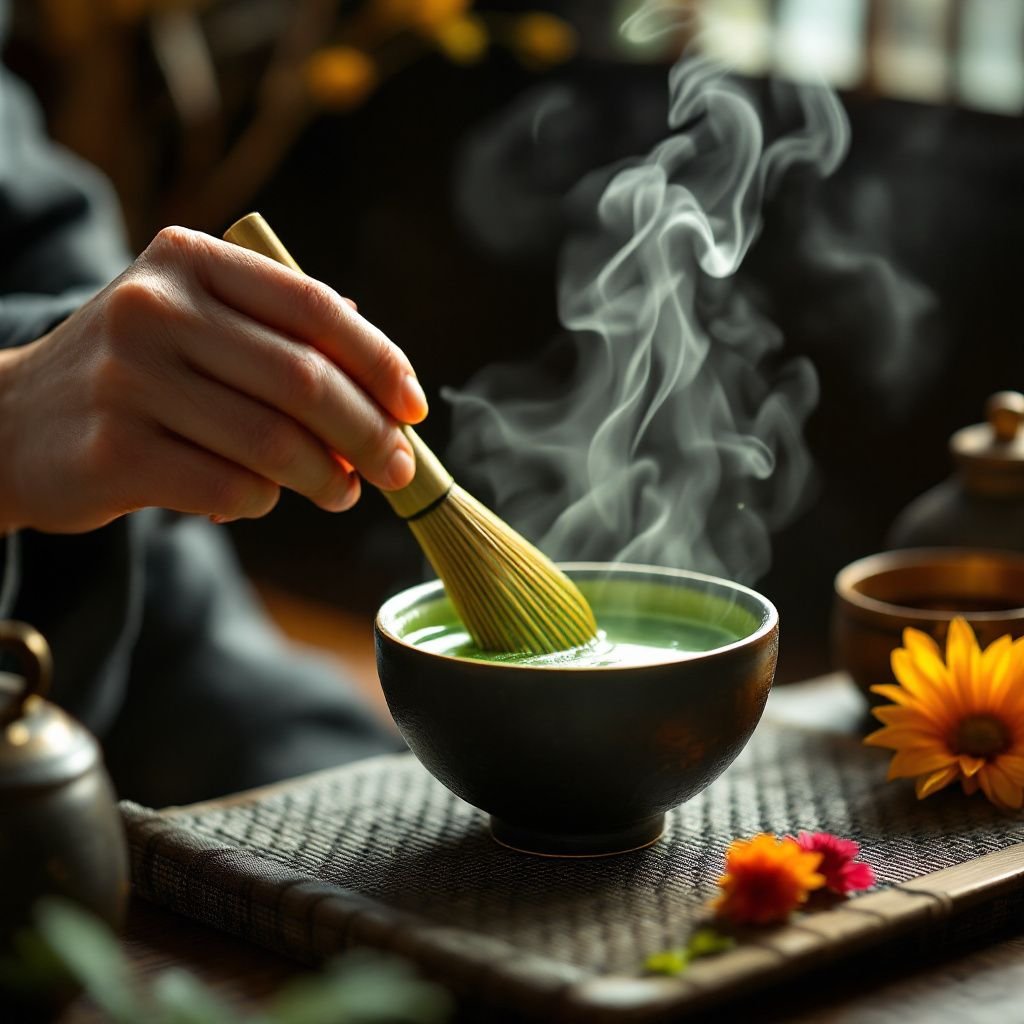
Experiencing a Kyoto Zen tea ceremony is a profound journey that transcends the act of drinking tea. It immerses you in the Zen philosophy, emphasizing mindfulness and the appreciation of the present moment. Held in serene temple settings, these ceremonies are designed to be meditative and reflective. Upon arrival, you may be greeted by a Zen monk or a tea master, who will guide you through the process. The ceremony typically begins with a silent meditation, allowing you to center your thoughts and fully engage with the experience. Explore more Japanese tea culture in our guide to Thai Tea Ceremony.
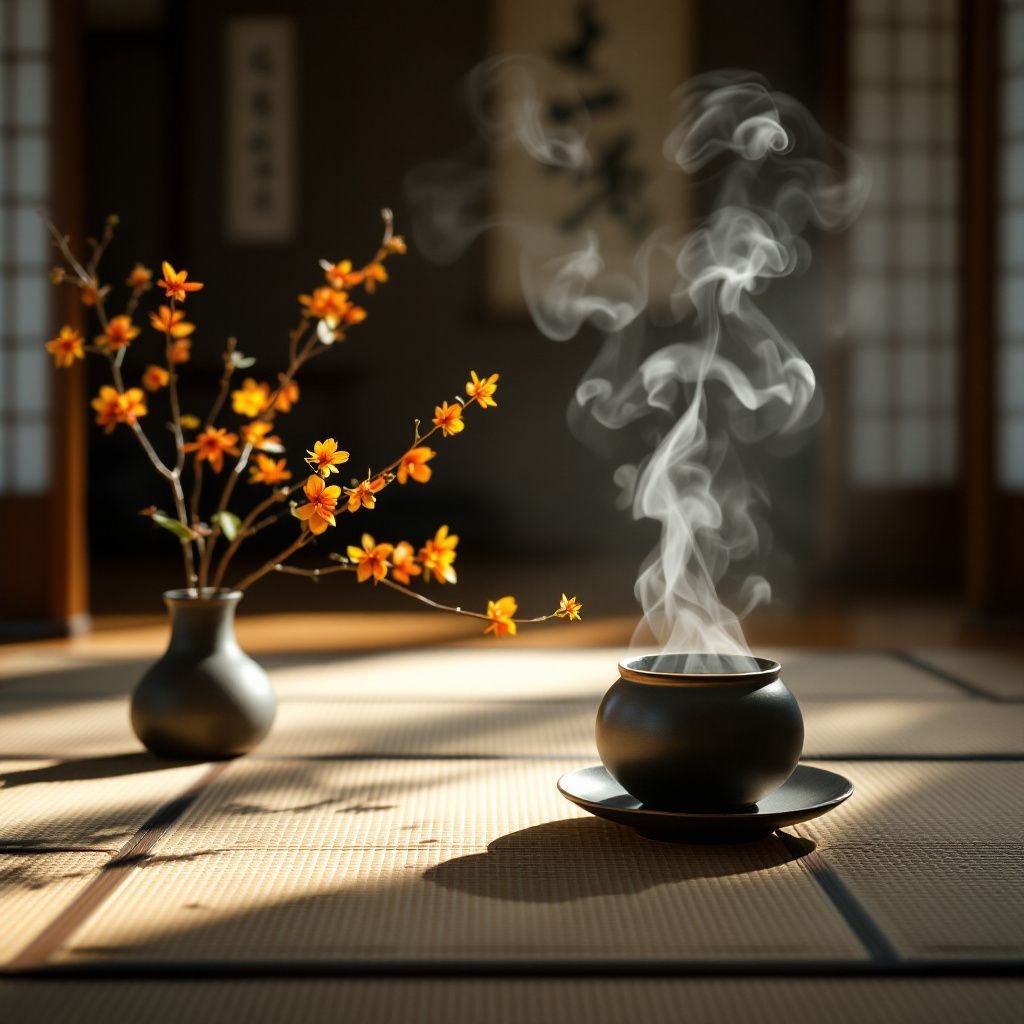
The tea room itself is carefully designed to foster tranquility. Traditional tatami mats cover the floor, and the decor is minimalistic yet elegant, often featuring a simple flower arrangement or a hanging scroll with calligraphy. As you participate, you will witness the meticulous preparation of matcha, where each movement is deliberate and meaningful. The ceremony concludes with the sharing of tea, encouraging a communal sense of peace and respect among participants. Explore more Japanese tea culture in our guide to Japan Boutique Tea Hotels Guide.
The Role of Daitokuji Tea Houses
Among the most revered locations for experiencing an authentic Kyoto temple tea ceremony are the tea houses in the Daitokuji Temple complex. Known for their historical significance and architectural beauty, these tea houses provide an ideal setting for a Zen tea ceremony. The Daitokuji Temple is renowned for its connection to tea master Sen no Rikyū, who revolutionized the Japanese tea ceremony with his emphasis on simplicity and spiritual depth. Participating in a ceremony here is not just about enjoying tea, but about connecting with a centuries-old tradition of Zen meditation and tea.
Booking Information for a Kyōto Zen Tea Ceremony
Booking a Kyoto Zen tea ceremony requires some advance planning, as these sessions are intimate and often limited in number. Many temples offer online reservation systems, allowing you to secure your place before arriving in Kyoto. It’s advisable to book at least two weeks in advance, especially during peak tourist seasons such as spring and autumn. Fees for these experiences vary, generally ranging from 3,000 to 10,000 yen, depending on the temple and the inclusivity of the ceremony.
When booking, ensure you understand the specific etiquette and dress code expected. Traditional Japanese attire, such as a kimono, is not mandatory but wearing modest clothing that respects the temple’s spiritual environment is recommended. Some temples may provide rental kimonos for an enhanced experience.
Costs and What is Included
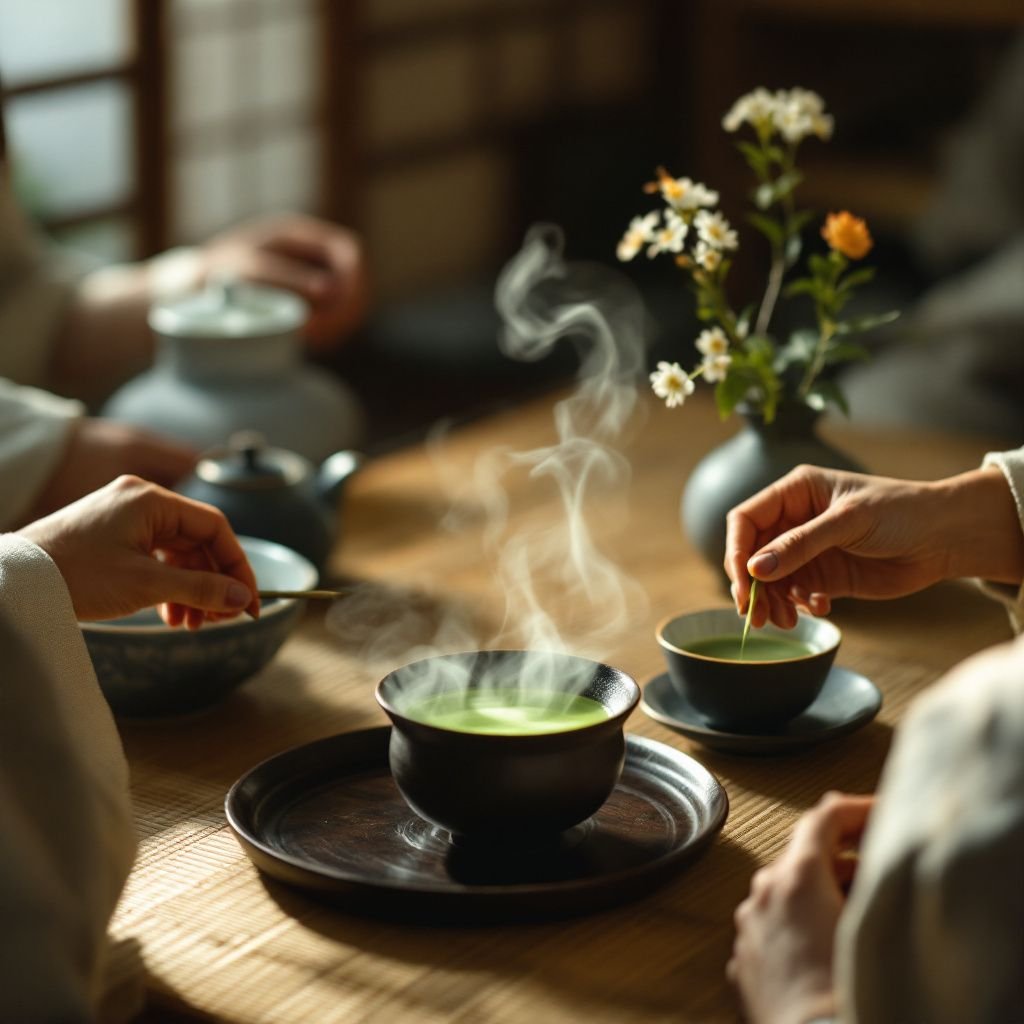
The cost of a Kyoto Zen tea ceremony typically includes the full tea ceremony experience, guided by a knowledgeable host who explains the significance of each step. This may also include a brief introduction to the temple grounds and an opportunity to explore other areas of the temple complex. Additionally, participants are often given a small sweet, known as wagashi, which complements the bitterness of the matcha and is an integral part of the tea ceremony.
While the base fee generally covers these elements, some temples offer additional packages that include extended meditation sessions or private tea ceremonies for a more personalized experience. These options provide a deeper understanding and appreciation of the Zen through Tea philosophy.
Tips for First-Timers
If you’re attending a Kyoto Zen tea ceremony for the first time, there are a few tips to enhance your experience. Firstly, arrive early to allow yourself time to acclimate to the serene environment of the temple. It’s important to approach the ceremony with an open mind and a respectful attitude, ready to engage fully with the practice of mindfulness.
Listening attentively to the instructions provided by the tea master will enrich your experience. Each gesture and action has a symbolic meaning, rooted in Zen principles. Additionally, be prepared to sit on tatami mats for an extended period, which can be physically demanding for those not accustomed to sitting on the floor. Practicing sitting in seiza beforehand can help increase your comfort during the ceremony.
Best Time to Go
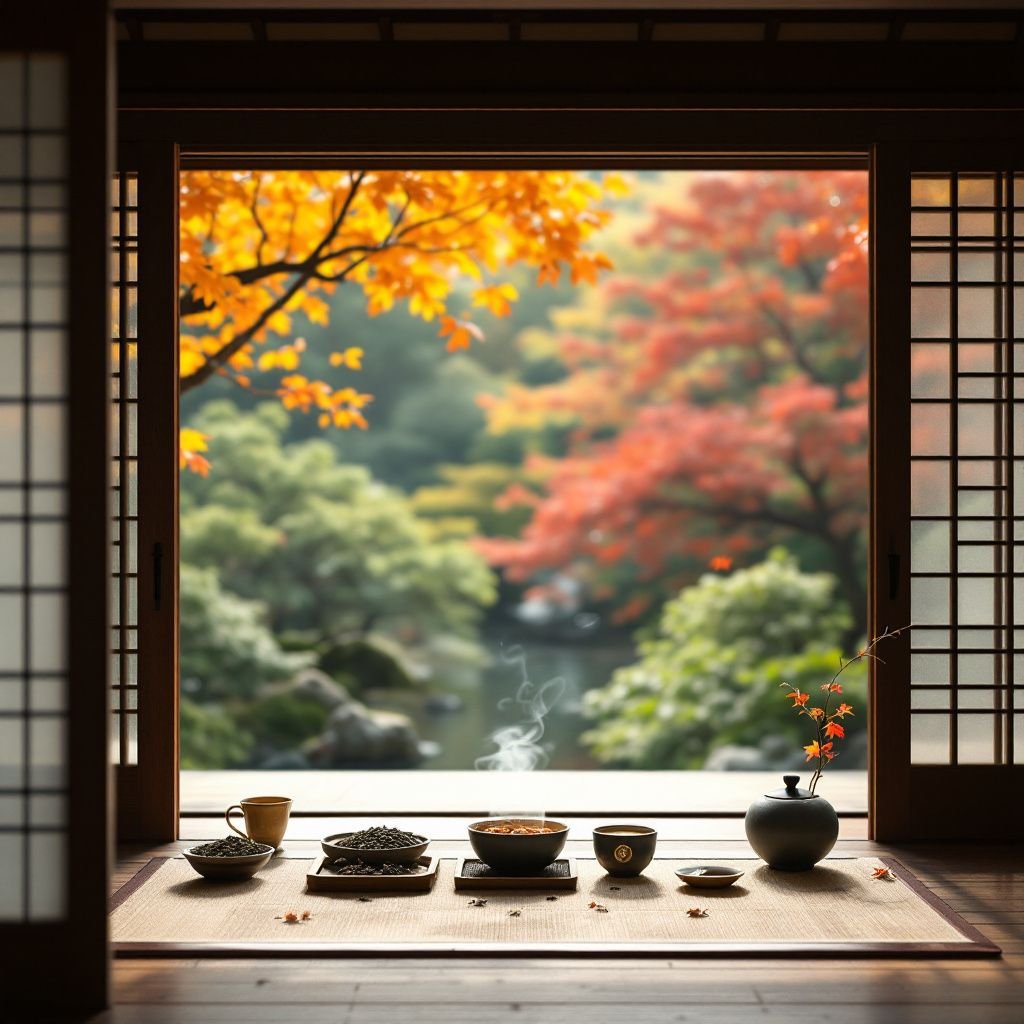
The best time to experience a Kyoto Zen tea ceremony is during the quieter months of the year. Spring (March to May) and autumn (September to November) are particularly enchanting due to the stunning natural scenery, but they can also be the busiest times for tourism. To avoid crowds and have a more intimate experience, consider visiting in early winter or late summer, when the temple grounds are quieter and the pace of life in Kyoto slows down.
Each season offers its own unique charm, from the cherry blossoms in spring to the vibrant foliage of autumn, contributing to the overall atmosphere of the tea ceremony. The tranquil winter months provide an ideal setting for introspection and meditation, aligning perfectly with the Zen philosophy.
Alternatives and Similar Experiences
For travelers seeking alternative or additional experiences, Kyoto offers a variety of options that complement the Zen tea ceremony. For instance, participating in a zazen meditation session at one of Kyoto’s temples can deepen your understanding of Zen practices. Temples like Shunko-in and Tofuku-ji offer meditation classes that pair well with the tea ceremony experience.
Additionally, exploring the art of Japanese tea at Uji, just outside Kyoto, provides insight into the production and cultivation of matcha. Uji is renowned for its high-quality green tea and offers tours of tea plantations and factories. This broader exploration of Kyoto’s tea culture can enhance your appreciation and understanding of the city’s historic relationship with tea.
Related Guides
- Kyoto Tea Ceremony Experiences: Where to Participate in Authentic Chanoyu
- Japanese Tea Ceremony Guide (Chanoyu)
- Uji Tea Fields Day Trip: Japan’s Famous Tea Region
- Shizuoka Tea Region: Exploring Japan’s Largest Tea Producer
- Types of Japanese Green Tea: From Sencha to Gyokuro
Frequently Asked Questions
What is a Kyoto Zen tea ceremony?
A Kyoto Zen tea ceremony is a traditional Japanese tea ritual held in temples, focusing on mindfulness and Zen philosophy through the preparation and consumption of matcha.
Where can I experience a Kyoto Zen tea ceremony?
You can experience a Kyoto Zen tea ceremony in various temples such as the Daitokuji Temple complex, known for its historic tea houses and connection to Zen tea practices.
How much does a Kyoto Zen tea ceremony cost?
The cost typically ranges from 3,000 to 10,000 yen, depending on the temple and the inclusivity of the ceremony, often including a guided experience and a traditional sweet.
What should I wear to a Kyoto Zen tea ceremony?
While traditional attire like a kimono is not required, wearing modest and respectful clothing is recommended to honor the spiritual environment of the temple.
When is the best time to attend a Kyoto Zen tea ceremony?
The best time to attend is during the quieter months, such as early winter or late summer, to enjoy a more intimate experience away from the peak tourist seasons.
How long does a Kyoto Zen tea ceremony last?
A typical Kyoto Zen tea ceremony lasts between 45 minutes and 90 minutes. Shorter introductory sessions run about 45 minutes, while full ceremonies with meditation and temple garden walks can extend to 90 minutes or more.
Can children participate in a Kyoto Zen tea ceremony?
Yes, many temples welcome children aged 6 and older, though the experience is best suited for kids who can sit quietly for 30–45 minutes. Some temples offer family-friendly sessions with shorter durations and simplified explanations.

Book Your Kyoto Zen Tea Ceremony Today
Ready to experience the profound stillness of a Kyoto temple tea ceremony? Explore our complete Japan tea travel guides to plan your itinerary, find the best temples, and discover hidden tea houses across Kyoto, Uji, and Shizuoka.