
The Japanese tea ceremony (Chanoyu) is a centuries-old ritual rooted in Zen Buddhism. This guide explains the history, etiquette, utensils, and symbolism — plus the best places to experience an authentic ceremony in Kyoto and beyond.
Quick Answer: Japanese Tea Ceremony Guide (Chanoyu) covers everything you need to know, from essential techniques and cultural traditions to practical tips for beginners. This guide explores the history, tools, and step-by-step methods to help you master the art with confidence.
Quick Summary: The Japanese tea ceremony (Chanoyu or Sadō) is a centuries-old ritual centered on mindfulness, harmony, and the art of preparing matcha. Visitors to Japan can experience authentic ceremonies in Kyoto and Tokyo, with sessions lasting 45 minutes to several hours. No prior knowledge of Japanese is required.
What to Expect in a Japanese Tea Ceremony
Table of Contents
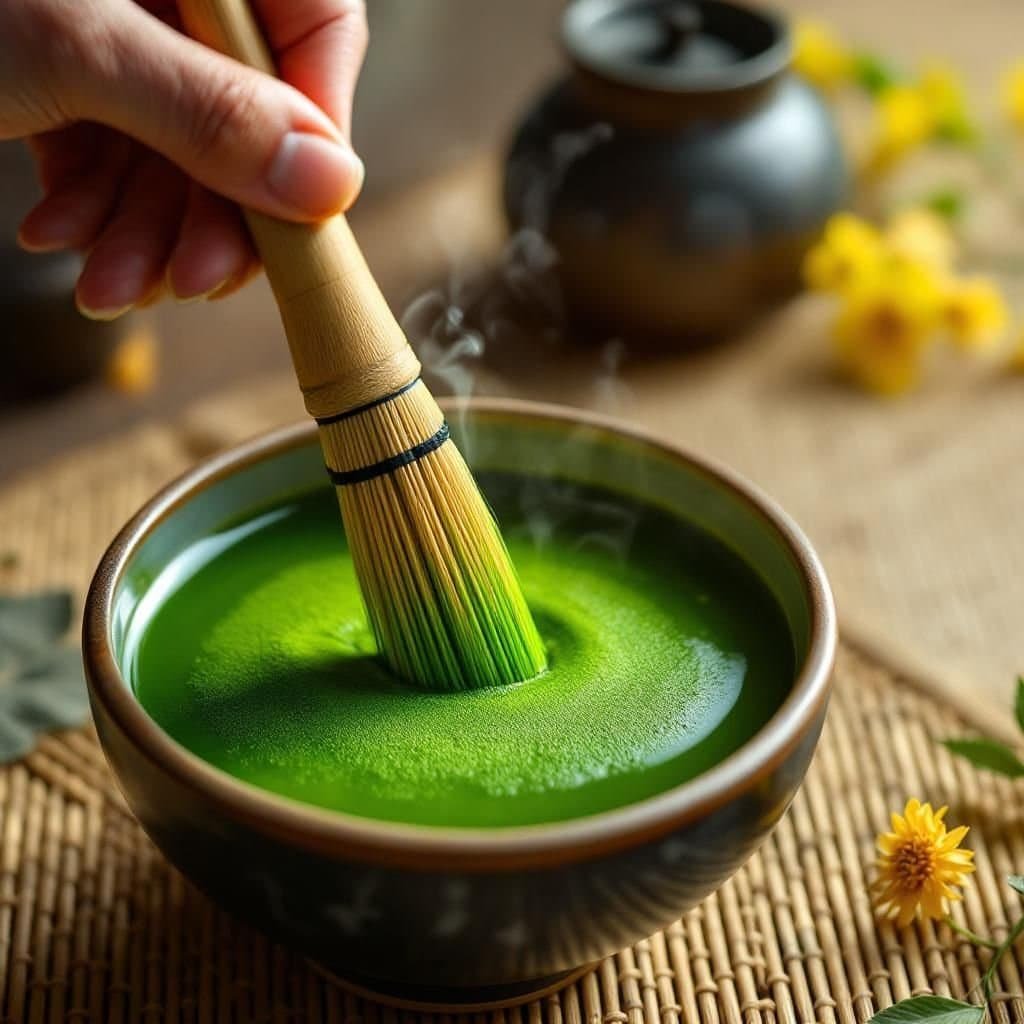
The Japan tea travel guideese tea ceremony, known as chanoyu, sadō or chadō, is a cultural tradition deeply rooted in Zen Buddhism. The ceremony involves the ceremonial preparation and consumption of matcha, a powdered green tea, and is a meditative experience that emphasizes the principles of harmony (wa), respect (kei), purity (sei), and tranquility (jaku). When participating in a tea ceremony, expect to enter a tranquil setting often decorated with minimalistic aesthetics. The host will meticulously prepare the tea in front of the guests, showcasing the art of simplicity and attention to detail. The ceremony can last from 45 minutes to several hours, depending on its formality and the number of guests.
History and Philosophy of Chanoyu
The Japanese tea ceremony traces its roots to the 9th century when Buddhist monks brought tea from China to Japan. However, it was the 16th-century tea master Sen no Rikyū who codified the ceremony into the spiritual practice we know today, establishing the four principles of wa (harmony), kei (respect), sei (purity), and jaku (tranquility).
The ceremony takes place in a specially designed tea room (chashitsu), often featuring a low entrance (nijiriguchi) that requires all guests to bow — symbolizing equality regardless of social status. Every movement, from the folding of the silk cloth to the placement of the tea bowl, carries deep symbolic meaning.
Essential Utensils of the Tea Ceremony
Understanding the tools used in Chanoyu enriches the experience for visitors:
- Chawan (tea bowl): The most important utensil, often a treasured heirloom. Guests admire it before drinking.
- Chasen (bamboo whisk): Used to whisk powdered matcha into a frothy, smooth consistency.
- Chashaku (tea scoop): A slender bamboo scoop used to measure matcha powder.
- Fukusa (silk cloth): Used to ritually cleanse the tea utensils before the ceremony.
- Kama (iron kettle): Heats the water over a charcoal fire or electric element.
Booking Information for a Chanoyu Experience
Experiencing a Japanese tea ceremony can be a highlight of your visit to Japan. Many tea houses and cultural centers in Kyoto tea ceremony experiences offer sessions for tourists, such as the En Tea Ceremony in Gion and Camellia Tea Ceremony House. It is advisable to book in advance, especially during peak travel seasons like spring and autumn. Most places offer online reservations, and the cost typically ranges from 3,000 to 10,000 yen per person, depending on the formality and duration of the ceremony. Some venues offer English explanations, which are helpful for non-Japanese speakers to fully appreciate the nuances of the ritual.
Costs and What is Included
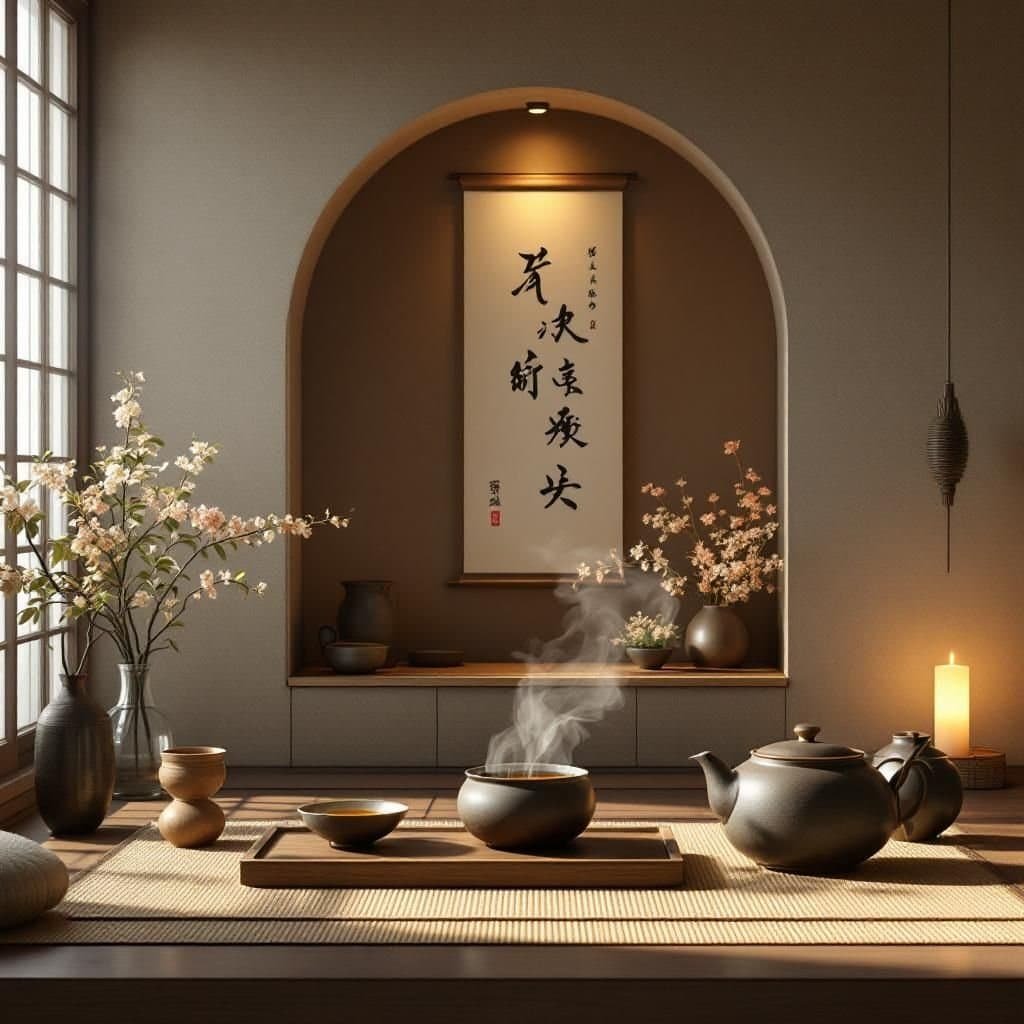
When attending a tea ceremony, the cost generally includes the full experience, which lasts about an hour, and often includes a traditional sweet to balance the bitterness of the types of Japanese green tea. The price may vary depending on the location and the type of ceremony. In Kyoto, where the tea ceremony is most popular, you can expect to pay between 3,000 to 5,000 yen per session. This fee often includes the rental of a kimono for those who wish to fully immerse themselves in the cultural experience. Some high-end tea houses may charge more, but they offer a more personalized experience.
Tips for First-Timers
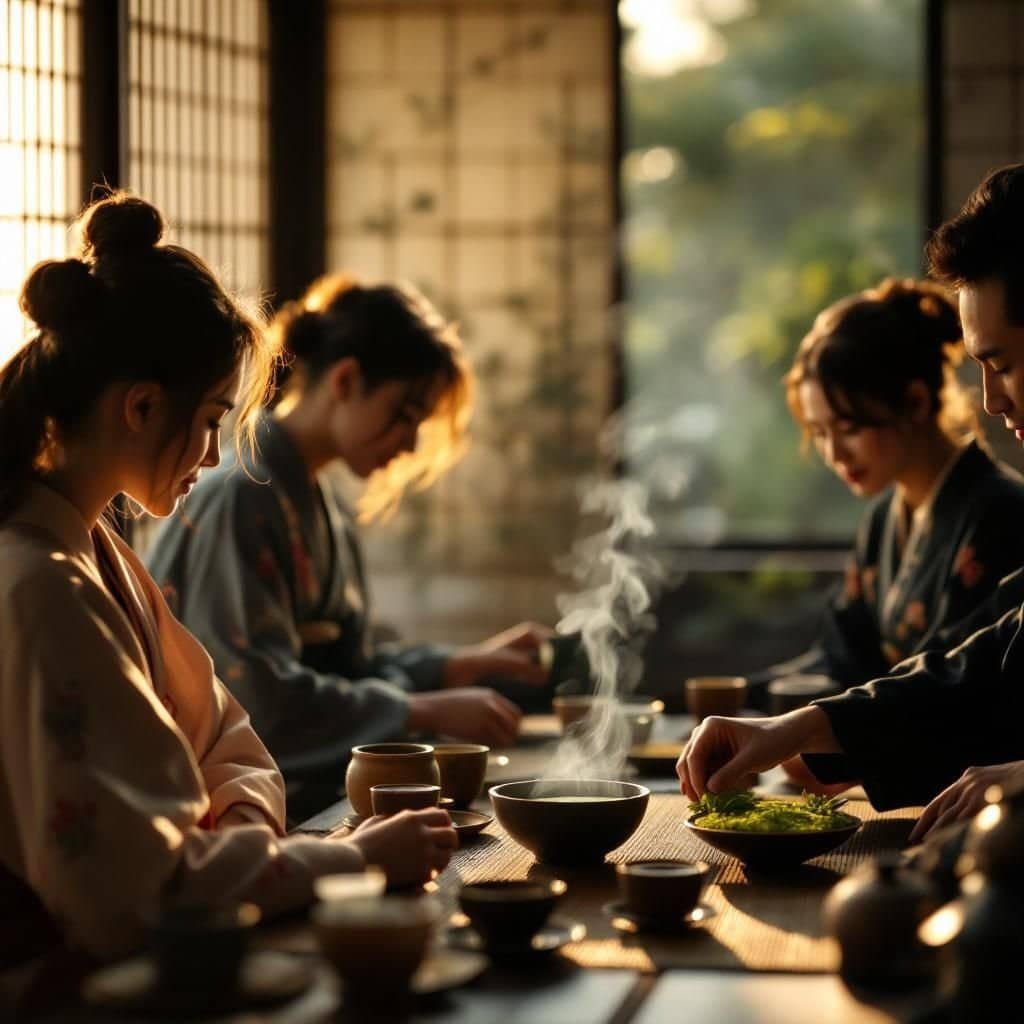
For those experiencing a tea ceremony for the first time, it is important to arrive on time, as the ceremony begins promptly. Dress conservatively, preferably in a kimono if available, or in neat, modest clothing. Pay attention to the host’s instructions and observe the etiquette of the ceremony. You will be expected to bow before entering the tea room, and to appreciate each movement of the host with quiet reverence. When consuming the matcha, turn the bowl slightly before drinking, as a sign of respect. Engage with the host and other guests quietly, and take a moment to reflect on the experience.
Best Time to Go
The Japanese tea ceremony can be enjoyed year-round, but the best times to visit are during the spring or autumn. These seasons offer mild weather, and the beautiful cherry blossoms or autumn foliage provide a stunning backdrop to the experience. Kyoto, the heart of Japan’s tea culture, is particularly beautiful during these times. Additionally, special tea ceremonies are held during the New Year, which may include rare seasonal sweets and unique tea blends. However, these tend to be more crowded, so booking ahead is recommended.
Alternatives and Similar Experiences
If you’re unable to attend a traditional tea ceremony in Kyoto, consider visiting a cultural center such as the Urasenke Chado Research Center in Tokyo, which offers more casual tea experiences. Another alternative is to participate in a tea picking experience in Uji, known for its high-quality matcha. Here, visitors can learn about tea cultivation and the preparation of matcha from freshly picked leaves. For those interested in the spiritual aspect, some Zen temples offer meditation sessions followed by tea ceremonies, providing a deeper understanding of the cultural significance of chanoyu.
Related Guides
- Japan Tea Tourism Complete Guide
- A Tea Lover’s Guide to Kyoto Japan
- Visiting a Traditional Japanese Tea House (Chashitsu)
- The Ultimate Guide to Uji Japan for Matcha Lovers
- How to Make the Perfect Cup of Matcha at Home
Frequently Asked Questions
What is the significance of the Japanese tea ceremony?
The tea ceremony, or chanoyu, is a cultural practice that embodies the principles of harmony, respect, purity, and tranquility. It is a meditative experience that emphasizes mindfulness and appreciation of simplicity.
Can tourists participate in a tea ceremony?
Yes, many tea houses and cultural centers in Japan offer tea ceremonies for tourists. It’s a great way to experience Japanese culture and learn about the history and etiquette of the tea ceremony.
What should I wear to a tea ceremony?
Traditional attire such as a kimono is preferred, but neat and modest clothing is acceptable. Avoid flashy or casual outfits as a sign of respect to the host and the ceremony.
How long does a typical tea ceremony last?
A typical tea ceremony lasts about an hour, but it can extend up to several hours in more formal settings. The duration depends on the type of ceremony and the number of guests.
Is prior knowledge of Japanese necessary to enjoy a tea ceremony?
No, many tea ceremony experiences for tourists include English explanations. However, understanding basic Japanese phrases may enhance your appreciation of the experience.
A Tea Lover’s Guide to Kyoto Japan | Visiting a Traditional Japanese Tea House (Chashitsu) | The Ultimate Guide to Uji Japan for Matcha Lovers | How to Make the Perfect Cup of Matcha at Home

Plan Your Japanese Tea Ceremony Experience
Ready to experience Chanoyu for yourself? Subscribe to Steeped Travels for curated guides to tea destinations, ceremony booking tips, and cultural insights from Japan and beyond.
Get Tea Travel Guides →
Start Your Tea Journey With Steeped Travels
Ready to explore the world one cup at a time? Plan your personalized tea tour with our expert guides, or browse more tea travel guides to discover your next destination. From Japan’s ancient ceremonies to India’s fragrant estates, your perfect tea adventure awaits.