
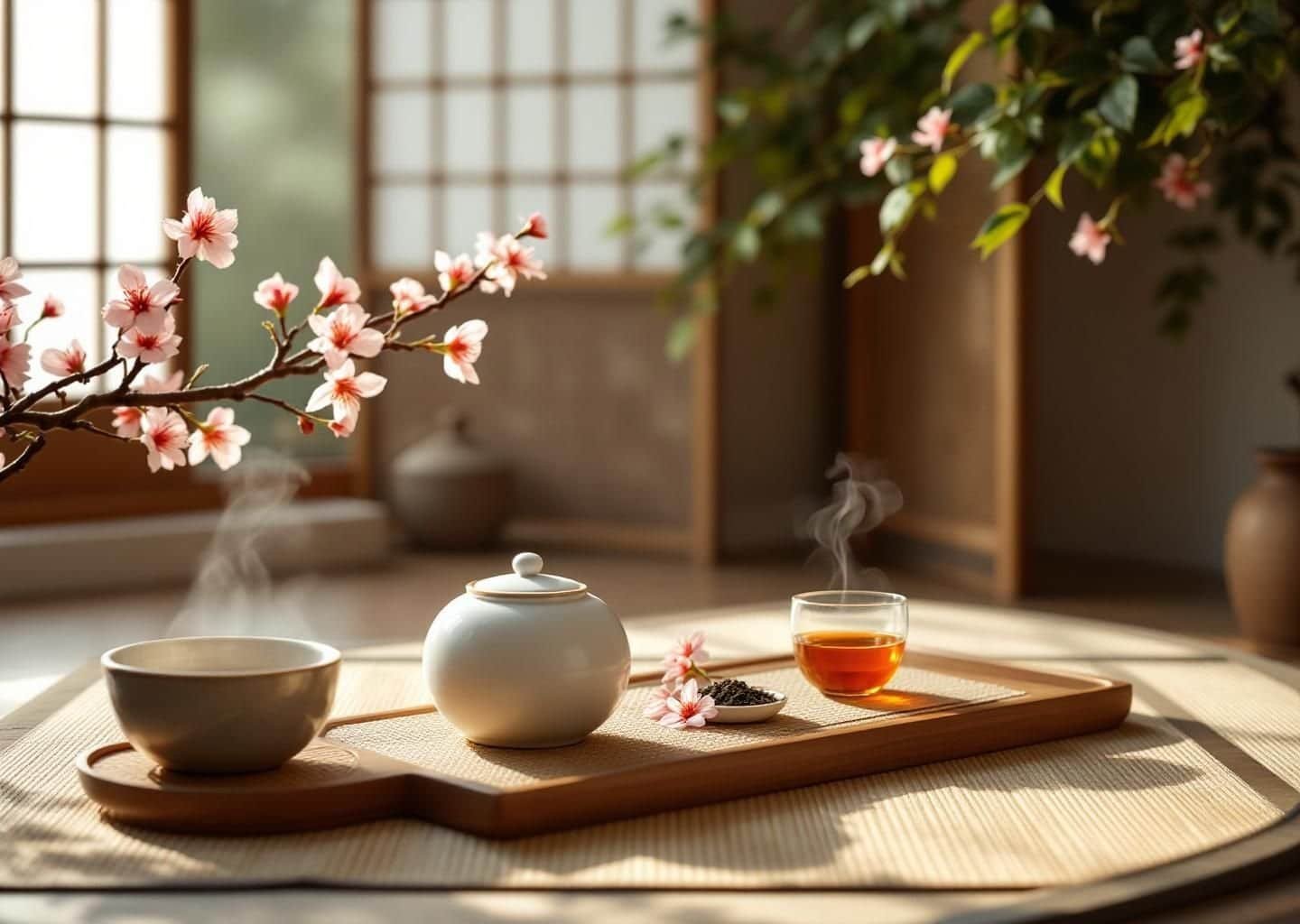
Quick Answer: Creating a home tea ceremony space requires a dedicated surface (low table or tray), a quality tea set suited to your preferred tradition, comfortable seating, and soft lighting. You can build a beautiful, functional tea space for as little as $50–$100 using a basic tea set and repurposed furniture, or invest $300–$500 for a traditional tatami-inspired setup. The key is intentionality — even a small corner becomes sacred when treated with care.
Introduction to Creating a Home Tea Ceremony Space
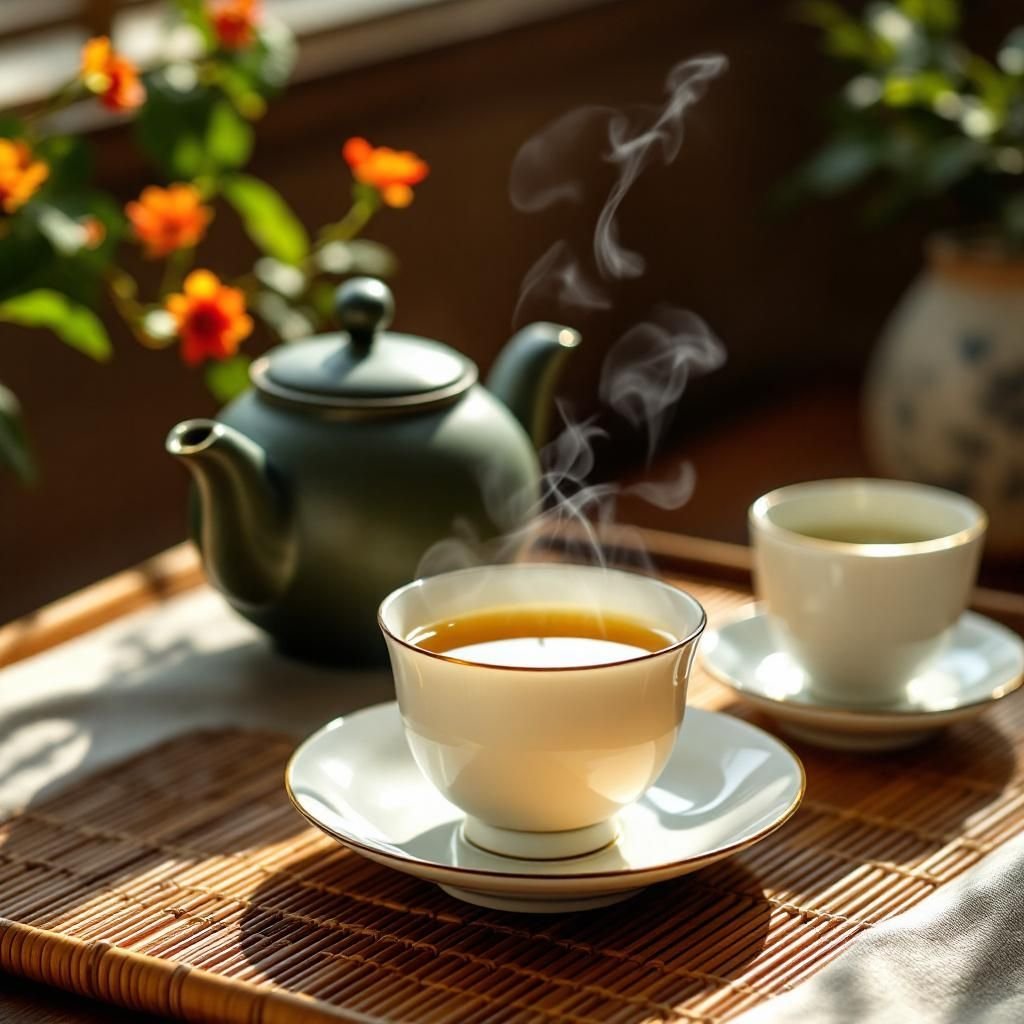
Creating a home tea ceremony space is an enriching way to bring tranquility and mindfulness into your daily routine. Whether you’re a seasoned tea enthusiast or new to the world of tea, designing a dedicated area for tea rituals can enhance your experience. This guide will walk you through various tea room design ideas, from minimalist setups to more elaborate installations, ensuring you can create a serene tea corner setup that suits any budget.
Essential vs. Nice-to-Have Items for Your Tea Ceremony Space
Essential Items
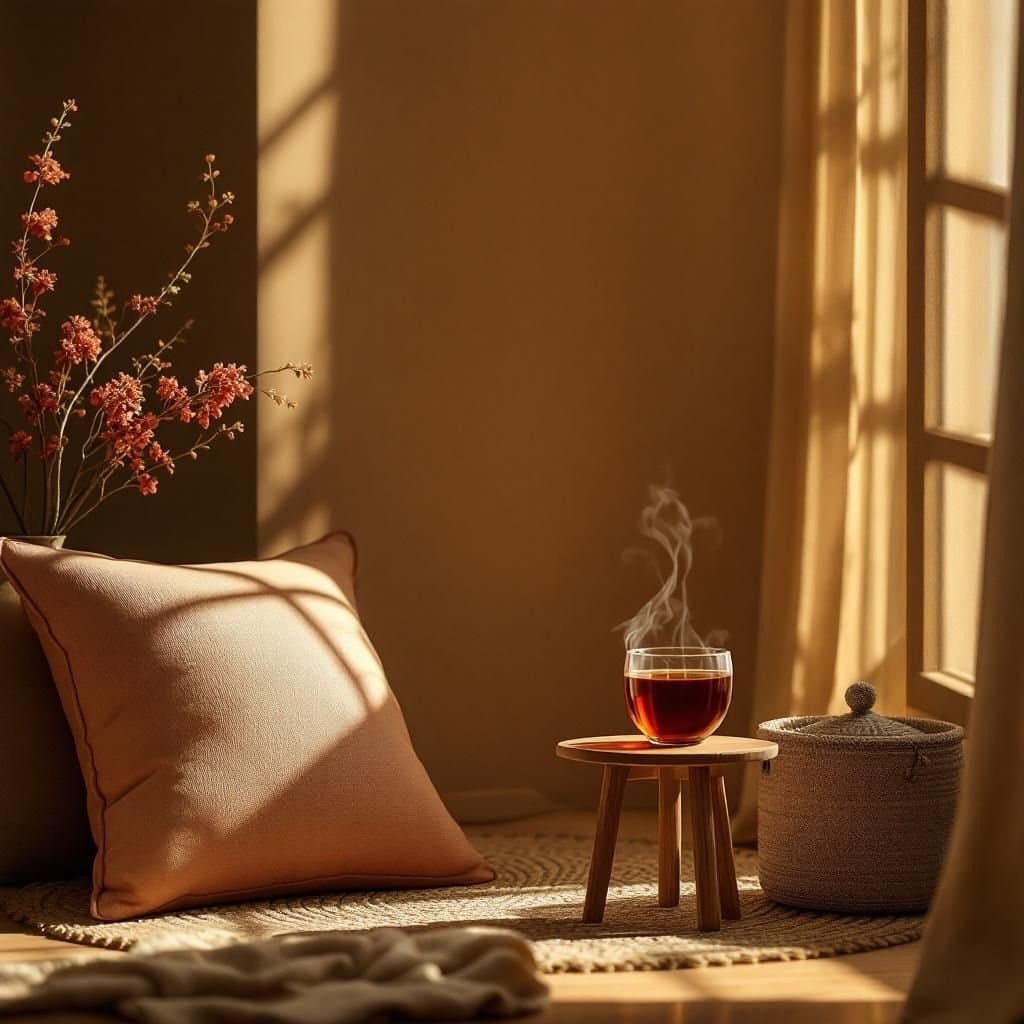
To start assembling your home tea ceremony space, focus on must-have items. These include a tea set appropriate for your favorite type of tea, such as a kyusu for Japanese teas or a chawan for matcha. A simple, clean surface such as a small table or tatami mat is also crucial for laying out your tea tools. Additionally, a comfortable seating option, like a floor cushion or small stool, will ensure your comfort during the ceremony.
Nice-to-Have Items
Once you have the essentials, consider adding decorative elements that enhance the atmosphere. These might include a small vase for seasonal flowers, a tea caddy for storing loose tea, and an incense burner to add a calming scent to your space. A small, portable speaker for playing gentle background music can also contribute to the ambiance.
Budget Options: Creating a Tea Space for $50 to $500
Budget-Friendly Setup ($50 – $100)
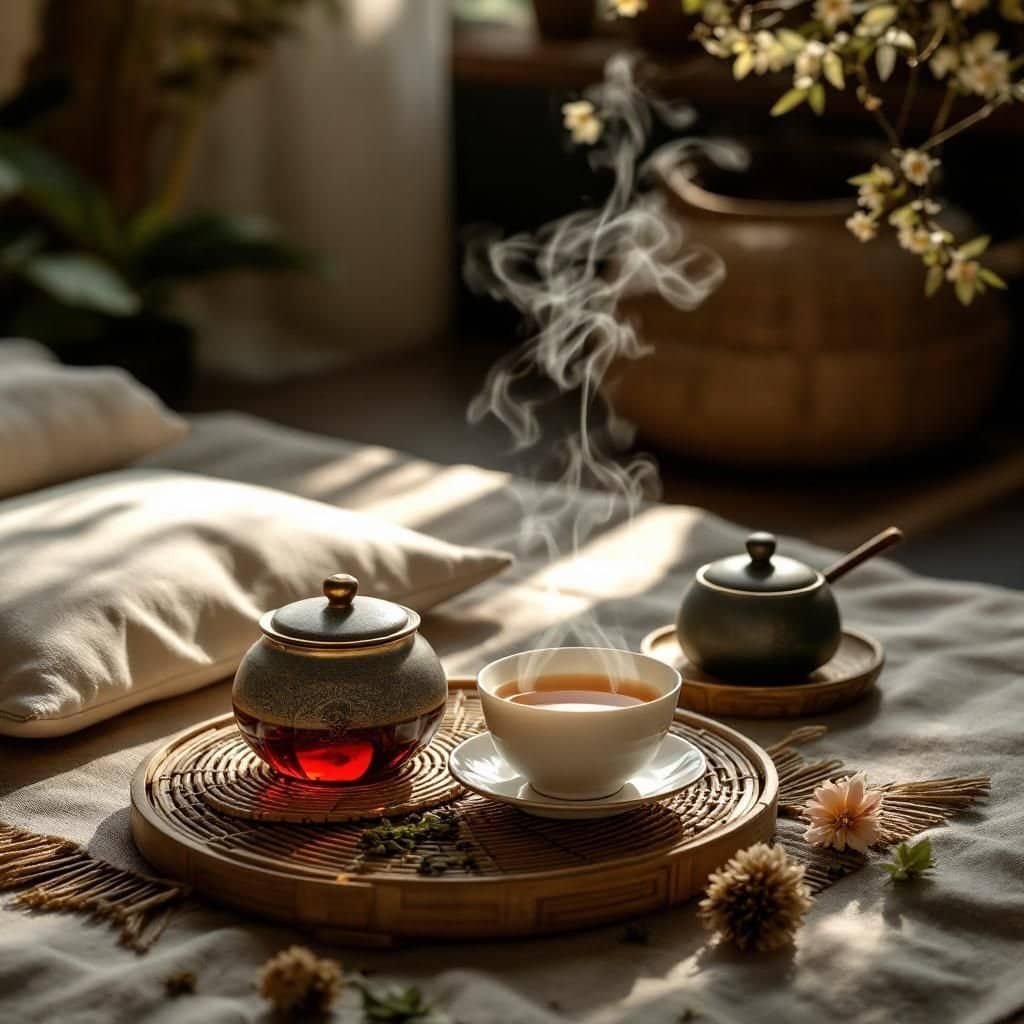
For those on a tight budget, focus on acquiring a basic tea set and using existing furniture to create your tea corner. A simple teapot and cup set can be found for under $30. Utilize a small side table or a corner of your dining table to serve as your tea surface. Enhance your space with a few inexpensive decor items like a small plant or a scented candle.
Mid-Range Setup ($100 – $300)
With a bit more flexibility in your budget, consider investing in a higher-quality tea set and a dedicated piece of furniture such as a low table or tea tray. You might also incorporate a small shelf to store your tea leaves and accessories. Decorative elements like a wall hanging or a small fountain can also enrich the atmosphere.
Luxury Setup ($300 – $500)
If you can spend more, you can create a truly immersive tea ceremony space. Consider purchasing a traditional tatami mat or a custom-built tea table. High-quality tea sets, including a selection of teapots and cups, can elevate your experience. Additional furnishings such as a shoji screen or a small bookshelf for tea-related books can complete the setup.
Lighting and Ambiance Tips
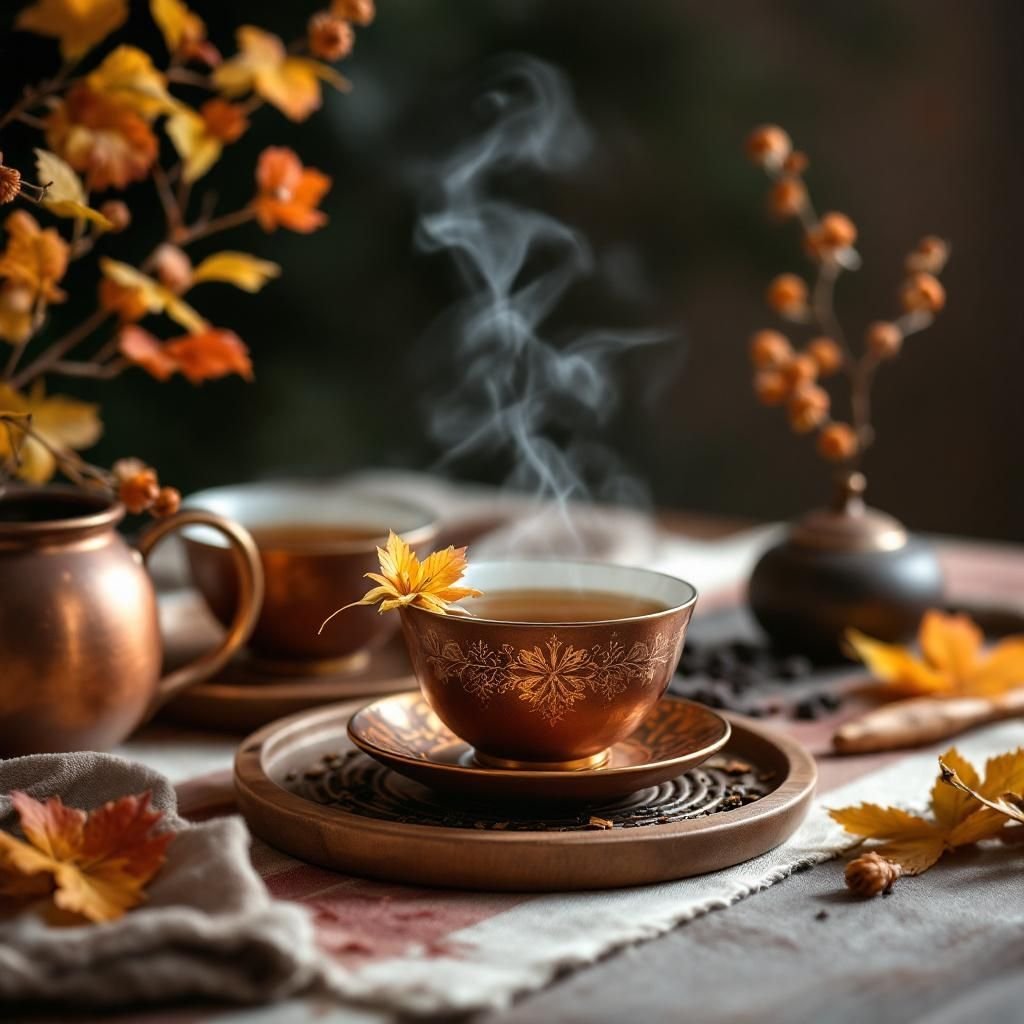
Lighting plays a crucial role in setting the mood for your tea space. Opt for soft, diffused lighting that mimics natural light to create a calming environment. Use table lamps with warm bulbs or string lights to achieve a cozy glow. Candles can also provide a warm, flickering light that enhances the meditative atmosphere. Consider the time of day and adjust lighting accordingly to maintain a serene ambiance.
Incorporating Minimalist Japanese-Inspired Designs
Minimalist designs are central to Japanese tea room setups, emphasizing simplicity and tranquility. Opt for clean lines and neutral colors that reflect nature, such as earth tones and greens. Furniture should be functional and unobtrusive, allowing the focus to remain on the tea ceremony itself. Keep decor to a minimum, using only a few carefully chosen items that embody the wabi-sabi aesthetic, which appreciates the beauty in imperfection.
Tea Meditation Corner: A Space for Mindfulness
Transforming your tea space into a meditation corner can further enhance your tea rituals. Incorporate elements that promote mindfulness, such as a small meditation cushion or a simple bell or gong to signal the start of your tea meditation session. Use this area for quiet contemplation, focusing on the sensory experience of brewing and drinking tea.
Seasonal Decoration Ideas
To keep your tea ceremony space fresh and engaging, consider incorporating seasonal decorations. In spring, add cherry blossom branches or pastel-colored flowers. Summer can bring in airy fabrics and light colors, while autumn decorations might include leaves and warm hues. For winter, incorporate evergreen sprigs or candles to create a warm, inviting atmosphere.
Choosing Your Tea Ceremony Tradition
Before designing your space, consider which tea ceremony tradition resonates most with you. Each tradition has distinct aesthetic requirements and ritual elements that will shape your space design:
- Japanese Chanoyu (Way of Tea): Emphasizes wabi-sabi aesthetics — simplicity, imperfection, and transience. Key elements include a tatami mat, chawan (matcha bowl), chasen (bamboo whisk), and a tokonoma (alcove) for a seasonal scroll or flower arrangement. Neutral earth tones and natural materials dominate.
- Chinese Gongfu Cha: A more elaborate setup focused on the art of brewing. Requires a tea tray (chá pán) to catch overflow water, a gaiwan or Yixing teapot, small tasting cups, and a tea pitcher. The aesthetic is refined but warmer than Japanese ceremony — wood, clay, and ceramic are central.
- Korean Darye: A gentle, nature-inspired tradition that emphasizes seasonal harmony. Uses a simple tea table, celadon or white porcelain ware, and natural decorations like pine branches or autumn leaves.
- British Afternoon Tea: More accessible for beginners — a proper teapot, fine china cups and saucers, a tiered cake stand, and a linen tablecloth create the right atmosphere. Warm, cozy, and inviting.
- Eclectic/Personal Style: Many home tea practitioners blend elements from multiple traditions, creating a personal ritual space that reflects their own tea journey. This is perfectly valid — the most important thing is that the space feels intentional and peaceful.
Where to Source Tea Ceremony Items on Any Budget
Finding quality tea ceremony items doesn’t require a large budget or a trip to Asia — though origin shopping is a wonderful experience if you have the opportunity. Here’s where to look at every price point:
- Budget ($10–$50): Thrift stores and estate sales often yield beautiful ceramic teapots and cups. IKEA and Target carry simple bamboo trays and low tables that work well for tea setups. Amazon and Etsy have affordable basic tea sets from $15–$40.
- Mid-range ($50–$200): Specialty tea shops like Teavana (online), Yunomi.life, and Crimson Lotus Tea carry quality Japanese and Chinese tea ware at accessible prices. Local Asian grocery stores often stock functional gaiwan sets and tea trays.
- Premium ($200+): Seek out artisan potters on Etsy or at craft fairs for handmade chawan and teapots. Origin-sourced pieces from Japan, Taiwan, or China carry cultural authenticity and often appreciate in value. Tea festivals like the Northwest Tea Festival and Northeast Tea Festival are excellent places to meet artisan vendors.
- Origin shopping: If you travel to tea-producing regions, buying directly from potters and tea estates is the most meaningful way to build your collection. A hand-thrown Yixing teapot purchased in Yixing, China, or a chawan from a Kyoto ceramics studio carries a story that enriches every ceremony.
Maintaining and Evolving Your Tea Space
A home tea ceremony space is a living practice, not a static display. Here’s how to keep it fresh, functional, and meaningful over time:
- Seasonal rotation: Change decorative elements with the seasons — cherry blossoms in spring, a small fan in summer, autumn leaves in fall, pine branches in winter. This keeps your practice connected to the natural world.
- Regular cleaning ritual: Treat the cleaning of your tea ware as part of the ceremony itself. Rinse teapots and cups with hot water after each use; never use soap on unglazed clay ware like Yixing teapots.
- Curate your tea collection: Store teas in airtight tins or ceramic caddies away from light and strong odors. Rotate your collection seasonally — fresh greens in spring, roasted oolongs in autumn, aged pu-erh in winter.
- Document your practice: Keep a tea journal to record tasting notes, brewing parameters, and reflections. Over time, this becomes a personal record of your tea journey and a valuable reference for improving your practice.
- Let it evolve: Your tea space will naturally change as your practice deepens. Don’t be afraid to rearrange, add new pieces, or simplify. The space should always serve your practice, not the other way around.
Deepen Your Tea Practice: Explore Tea at Origin
Creating a home tea ceremony space is just the beginning. The deepest tea experiences happen at origin — in the gardens, factories, and tea houses where the world’s finest teas are grown and crafted. If your home practice has sparked a desire to experience tea culture firsthand, let Steeped Travels be your guide:
- 🍵 A Beginner’s Guide to the Japanese Tea Ceremony (Chanoyu)
- 🍵 How to Experience a Traditional Chinese Gongfu Tea Ceremony
- 🍵 Korean Tea Ceremony (Darye): A Guide to Korean Tea Culture
- 🍵 Japan Tea Travel Guide 2026: The Ultimate Journey Through Japanese Tea Culture
Ready to take your tea practice from home to the world? Subscribe to the Steeped Travels newsletter for destination guides, tea travel tips, and inspiration for your next tea journey.
Related Guides
Enhance your tea knowledge and experience with these related articles:
- Exploring Japanese Tea Ceremonies
- The Art of Pu-erh Tea
- A Guide to Tea Tasting
- Choosing the Right Tea Set
- Tea and Meditation: A Perfect Pair
External Resources
For further inspiration and official recommendations, visit these resources:
- Japanese Tea Ceremony
- Interior Design for Tea Spaces
Frequently Asked Questions
How much space do I need for a home tea ceremony setup?
Even a small corner of a room can be transformed into a tea space. A 3×3 foot area is sufficient for a basic setup.
Can I incorporate modern elements into a traditional tea space?
Yes, blending modern and traditional elements can create a unique space. Consider using modern lighting or contemporary art within a traditional framework.
What type of tea should I use for a home tea ceremony?
Choose a tea that you enjoy and that suits the style of your ceremony. Matcha is popular for Japanese ceremonies, while oolong or black teas might suit a more relaxed setting.
How can I create a tea space on a tight budget?
Use household items creatively, like repurposing a small table or using cushions for seating. Thrift stores can be great for finding affordable tea sets and decor.
Are there any cultural considerations to keep in mind?
Be respectful of the origins of the tea ceremony practices you are incorporating, whether Japanese, Chinese, or another tradition. Understand the basic etiquette and philosophy behind the tea ceremony you choose.
What is the best tea to use for a home tea ceremony?
The best tea depends on the tradition you are following. For a Japanese-style ceremony, ceremonial-grade matcha is the classic choice. For a Chinese Gongfu ceremony, high-quality oolong teas like Tieguanyin or Da Hong Pao are ideal. Korean Darye ceremonies traditionally use green tea (nokcha). For beginners, a high-quality loose-leaf green or oolong tea from a reputable source is a wonderful starting point for any home ceremony.
How long does a home tea ceremony typically take?
A home tea ceremony can range from 15 minutes for a simple mindful brewing session to 1–2 hours for a full traditional ceremony with multiple steepings and guests. Japanese Chanoyu ceremonies traditionally last 4 hours in their complete form, but a simplified home version takes 30–45 minutes. The beauty of a home ceremony is that you can adapt the length to suit your schedule and intentions.
🍵 Ready to Create Your Tea Sanctuary?
Start your tea ceremony journey today. Explore our complete guides to Japanese, Chinese, and Korean tea traditions — and discover the perfect teas to brew in your new space.

