

Quick Answer: Tea comes in six main types — white, green, oolong, black, pu-erh, and yellow — all made from the same Camellia sinensis plant. The key difference is oxidation: white and green teas are minimally processed, oolong is partially oxidized, and black tea is fully oxidized. Pu-erh is fermented and aged. Each type has distinct flavors, brewing temperatures, and health benefits. This guide explains every type with brewing tips for beginners.
Summary: Tea comes in six true types—white, green, yellow, oolong, black, and dark (pu-erh)—all from the Camellia sinensis plant. The difference lies in processing: oxidation level, shaping, and drying method determine flavor, color, and caffeine content. This guide covers each type’s characteristics, brewing temperatures, health benefits, and how to choose the right tea for your palate.
Start Your Tea Journey Today
Ready to deepen your tea knowledge? Explore our complete Tea Education and Culture Guide for advanced brewing techniques, tea ceremony traditions, and origin stories from the world’s finest tea regions.
Explore Tea Education Guide →Table of Contents
Definition and Overview
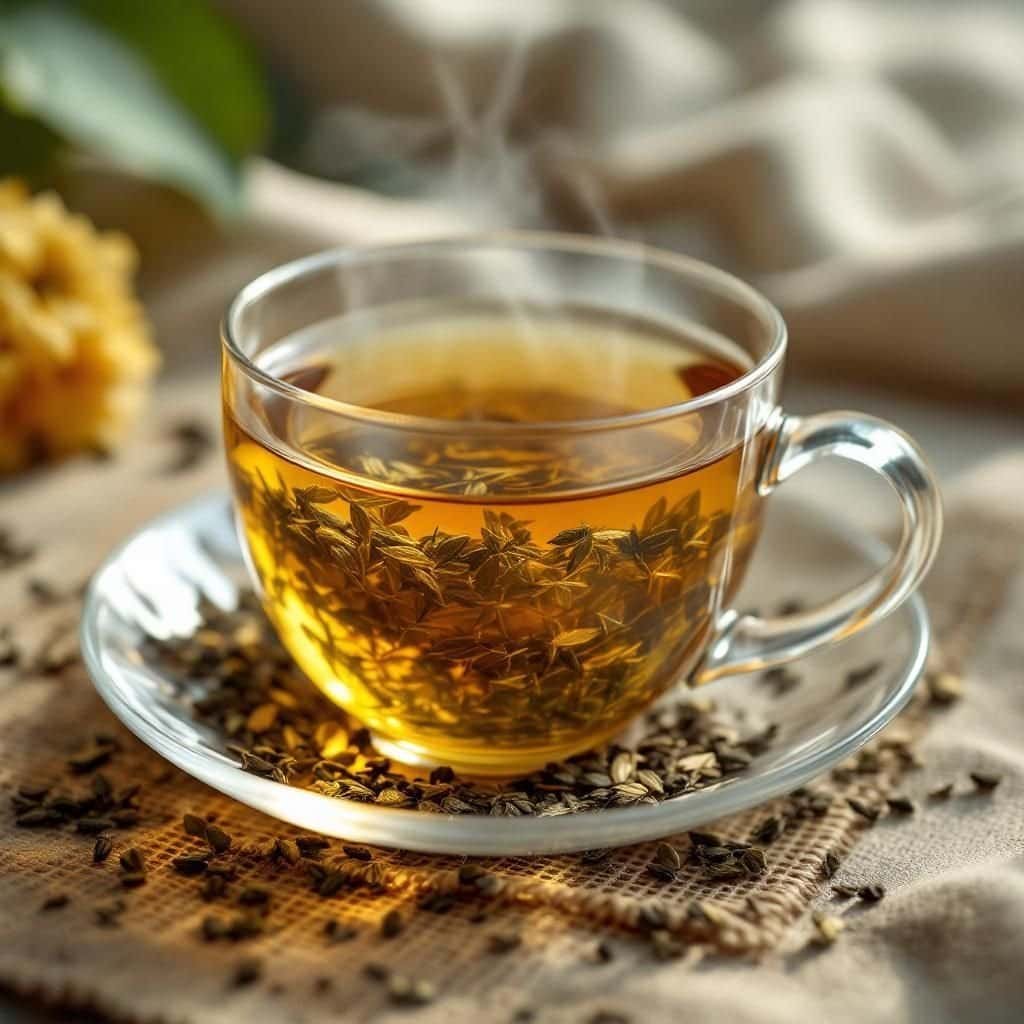
Tea, a beloved beverage worldwide, is derived from the Camellia sinensis plant and comes in various forms depending on how it is processed. Understanding the different types of tea is crucial for both enthusiasts and beginners. The primary categories include white, green, oolong, black, pu-erh, and yellow tea. Each type offers unique flavors, aromas, and health benefits — and once you know the differences, you can learn how to taste tea like a pro, determined by the level of oxidation and processing methods. In this guide, we delve into the characteristics of each type, aiding beginners in navigating the vast world of tea.
History and Origins
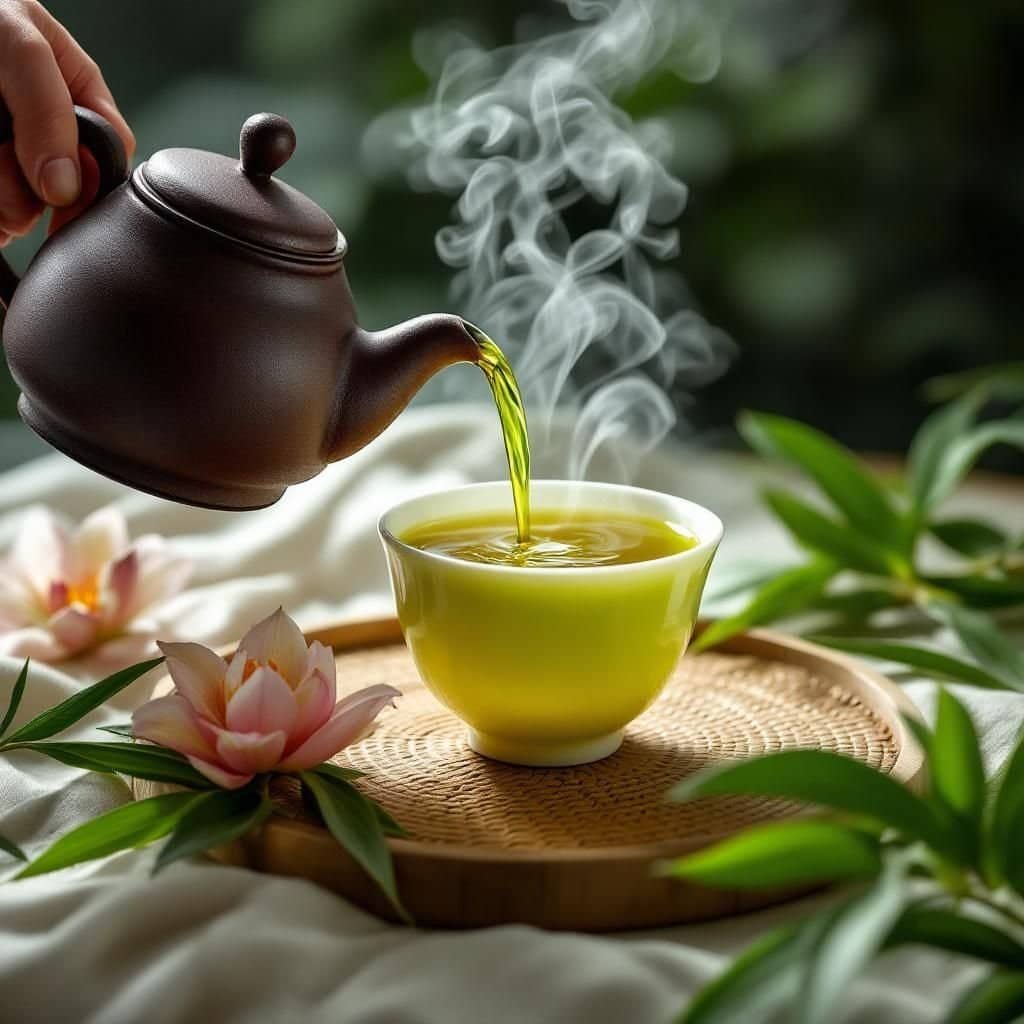
The history of tea dates back to ancient China, over 5,000 years ago. Legend has it that Emperor Shen Nong discovered tea when leaves from a wild tree blew into his pot of boiling water. Initially used for medicinal purposes, tea eventually became a popular cultural beverage. As it spread across Asia, Europe, and the world — particularly through rich Chinese tea culture — different regions developed their own unique processing techniques, giving rise to the diverse types of tea we enjoy today. Understanding these origins helps appreciate the cultural significance and traditions surrounding tea consumption.
Types and Varieties
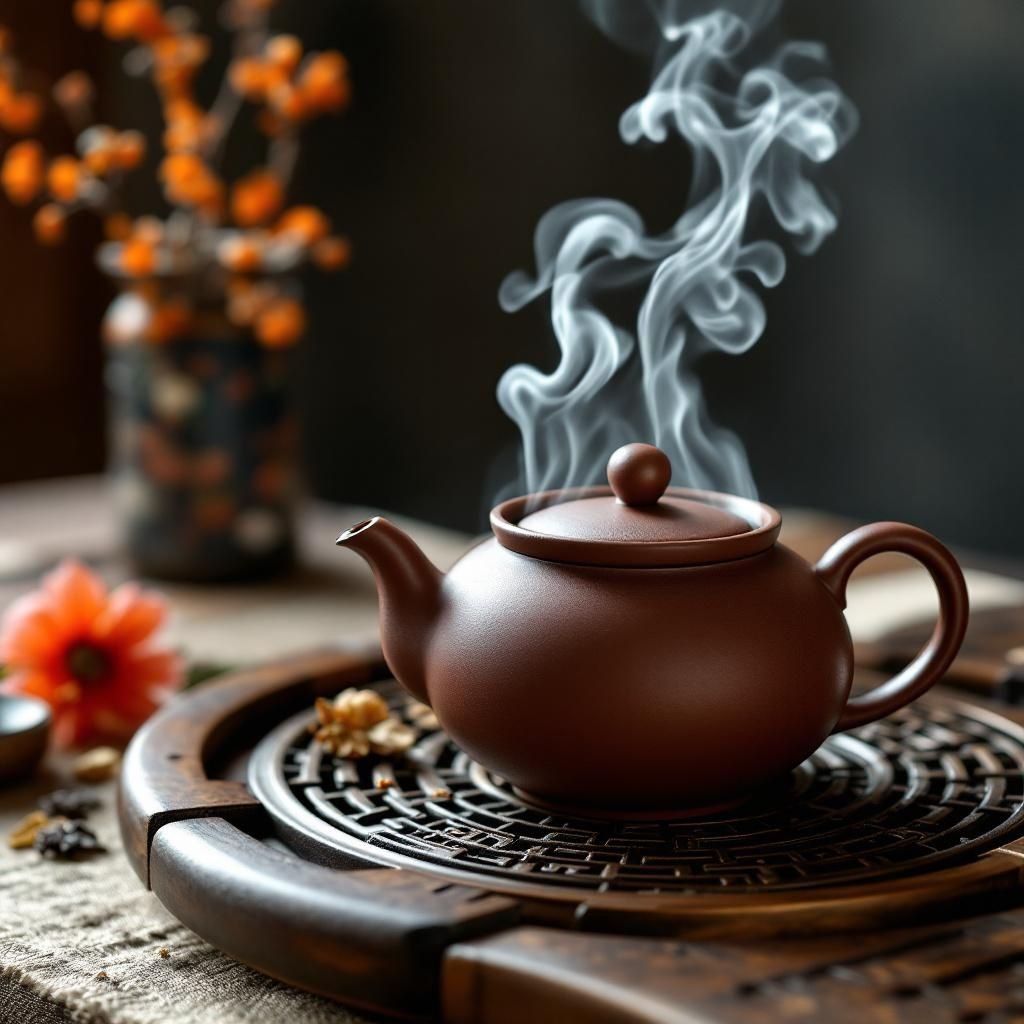
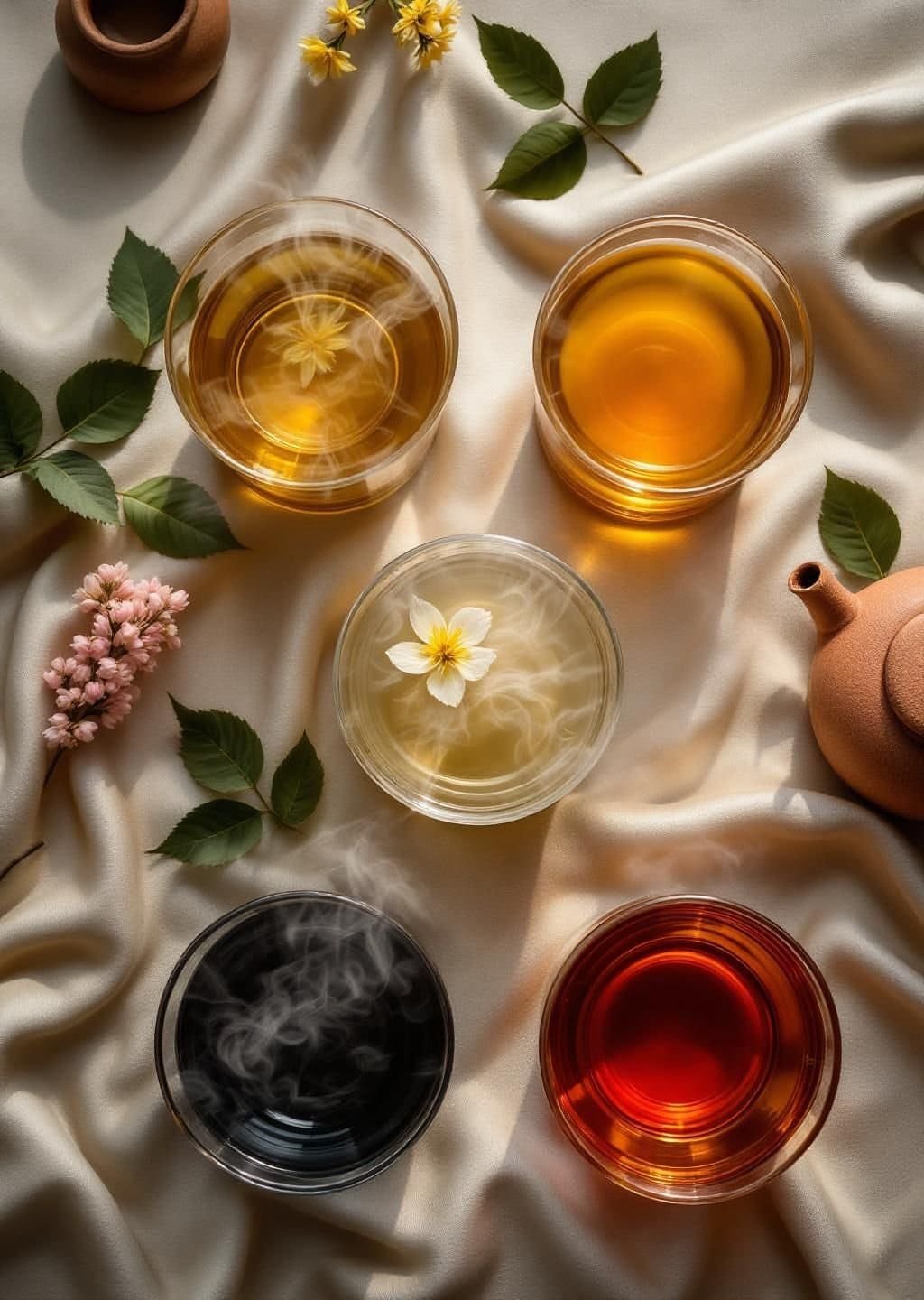
Each type of tea is defined by its processing method. Here is a breakdown of the main categories:
- White Tea: Known for its delicate flavor and minimal processing. The leaves are simply withered and dried, retaining their natural qualities.
- Green Tea: Leaves are quickly steamed or pan-fired to prevent oxidation, resulting in a fresh, grassy taste.
- Oolong Tea: Partially oxidized, offering a balance between black and green tea with a floral and fruity profile.
- Black Tea: Fully oxidized, known for its robust, rich flavor and dark amber color. The finest black teas come from regions like Assam, India’s black tea heartland.
- Pu-erh Tea: Aged and fermented, offering complex flavors that evolve over time.
- Yellow Tea: Rare and similar to green tea, but with an additional ‘men huang’ step, lending a mellower taste.
Brewing Guide
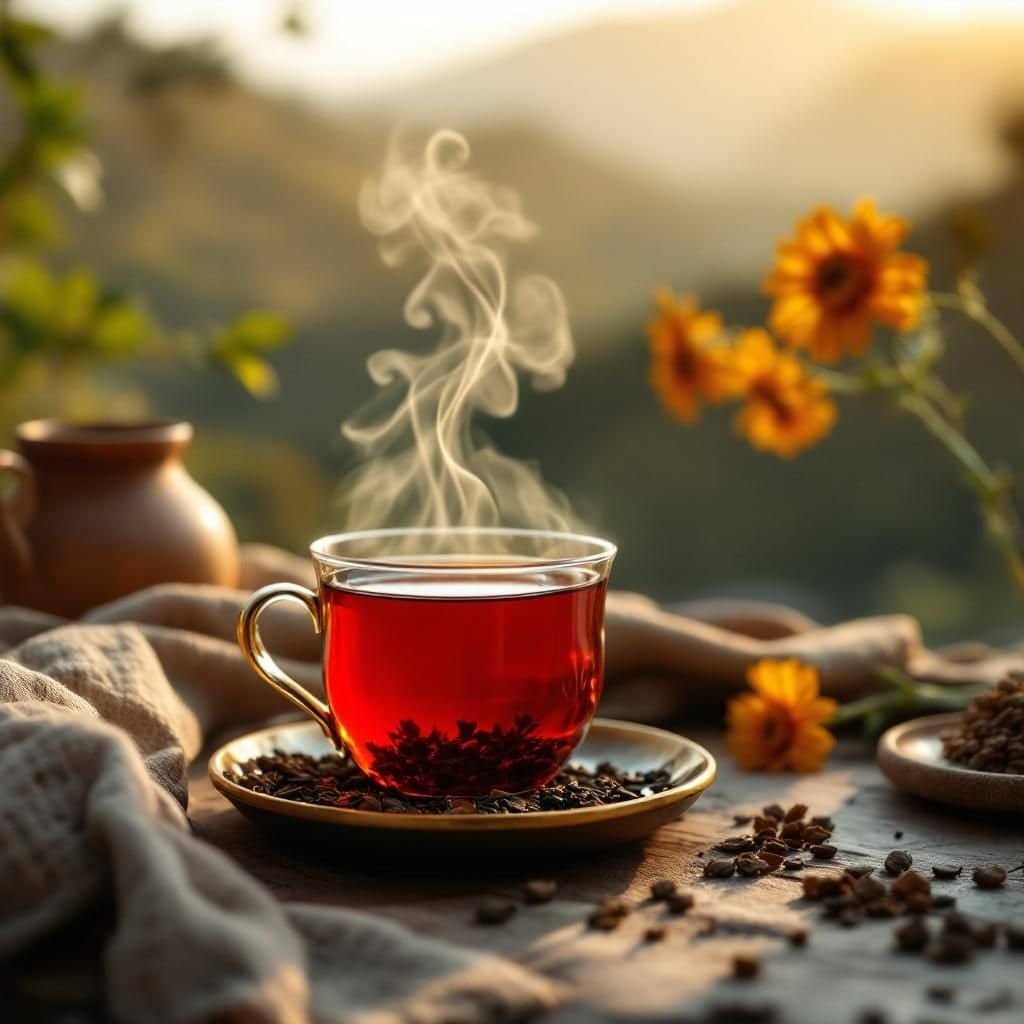
Proper brewing enhances the experience of each tea type. Here are general guidelines:
- White Tea: Use 170-185°F water, steep for 1-3 minutes.
- Green Tea: Use 160-180°F water, steep for 2-3 minutes.
- Oolong Tea: Use 190-200°F water, steep for 3-5 minutes.
- Black Tea: Use boiling water, steep for 3-5 minutes.
- Pu-erh Tea: Rinse leaves with boiling water, then steep for 3-5 minutes.
- Yellow Tea: Use 175-185°F water, steep for 2-3 minutes.
Adjust steeping times and temperatures based on personal taste preferences and the specific tea variety.
Health Benefits
All true teas contain polyphenols, catechins, and L-theanine — compounds linked to a range of health benefits. Here’s what research suggests for each type:
- Green Tea: Highest in EGCG (epigallocatechin gallate), a powerful antioxidant linked to reduced risk of heart disease, improved brain function, and potential cancer-protective properties. L-theanine promotes calm focus without jitteriness.
- Black Tea: Rich in theaflavins and thearubigins — antioxidants that support gut microbiome health, lower LDL cholesterol, and improve blood vessel function. Contains the most caffeine of the non-fermented teas (~50mg per cup).
- White Tea: High in catechins and polyphenols with potential anti-aging and antibacterial properties. Lower caffeine than green or black tea.
- Oolong Tea: Studies suggest oolong may support weight management by boosting metabolism and fat oxidation. Also linked to improved dental health and blood sugar regulation.
- Pu-erh Tea: Traditional Chinese medicine has long used pu-erh for digestive health. Modern research suggests it may help lower LDL cholesterol and support liver health.
- Yellow Tea: Similar antioxidant profile to green tea, with some studies suggesting benefits for liver health and blood sugar management.
Note: Tea is a complement to a healthy lifestyle, not a medical treatment. Consult a healthcare provider for specific health concerns.
How to Buy and Store
When purchasing tea, consider quality and freshness. Opt for loose leaf tea over tea bags for a more authentic experience. Look for reputable tea vendors that provide details on origin and production methods. Store tea in airtight containers, away from light, moisture, and strong odors to preserve flavor and potency. Green, white, and yellow teas should be consumed within six months to a year, while oolong and black teas can last up to two years. Pu-erh tea, being fermented, can improve with age.
Related Guides
Explore more about tea through our related guides:
- Tea Education & Culture
- A Guide to White Tea: The World’s Most Delicate Tea
- The Different Types of Oolong Tea Explained
- How to Taste Tea Like a Pro: A Beginner’s Guide
- Specialty Tea Association
Ready to Explore the World of Tea?
Now that you know the six main types of tea, why not explore where they come from? From the misty hills of Assam to Taiwan’s high mountain oolong trails, tea tourism offers some of the world’s most rewarding travel experiences.
🍵 Explore by type: Black Tea → Assam · Oolong → Taiwan · Green Tea → Korea
Frequently Asked Questions
What is the difference between green and black tea?
The key difference is oxidation. Green tea leaves are heated immediately after picking (steamed or pan-fired) to stop oxidation, preserving their green color and fresh, grassy flavor. Black tea leaves are fully oxidized — a process that turns them dark brown and develops bold, malty, or fruity flavors. Green tea generally has less caffeine (~25-35mg per cup) than black tea (~40-70mg). Both come from the same Camellia sinensis plant.
How should I store my tea?
Store tea in airtight, opaque containers away from light, heat, moisture, and strong odors. Tin canisters or dark glass jars work best. Keep at room temperature — refrigerating tea can introduce moisture. Green and white teas are most sensitive and should be consumed within 6-12 months. Black tea stays fresh for 1-2 years. Pu-erh is the exception — it actually improves with age when stored in a cool, humid environment with good airflow.
What are the health benefits of oolong tea?
Oolong tea aids metabolism, supports heart health, and enhances mental alertness.
Can tea go bad?
While tea doesn’t spoil, it can lose flavor over time. Proper storage extends its shelf life.
How does brewing temperature affect tea taste?
Different temperatures extract varying flavors; too hot can make tea bitter, too cool can result in a weak brew.
Which type of tea has the most caffeine?
Black tea generally has the most caffeine among the six main tea types, averaging 40-70mg per 8oz cup. Matcha (powdered green tea) can be higher at 60-80mg because you consume the whole leaf. Oolong tea falls in the middle at 30-50mg. Green tea has 25-35mg, white tea 15-30mg, and yellow tea is similar to green tea. For comparison, a typical cup of coffee has 80-100mg of caffeine. Herbal teas (chamomile, peppermint, rooibos) are naturally caffeine-free as they don’t come from the Camellia sinensis plant.
What is the best tea for beginners?
For beginners, green tea or a mild black tea like Ceylon are excellent starting points. Green tea (especially Japanese sencha or Chinese Longjing) offers a clean, approachable flavor that showcases tea’s natural character. If you prefer something bolder, a good-quality Darjeeling or Ceylon black tea is smooth and versatile. Avoid very astringent teas like strong Assam or heavily roasted oolongs until you’ve developed your palate. Start with loose-leaf tea rather than tea bags for a noticeably better flavor experience.
Specialty Tea Association / World Tea Academy style education sources; producer associations from major tea origins; reputable processing references
