
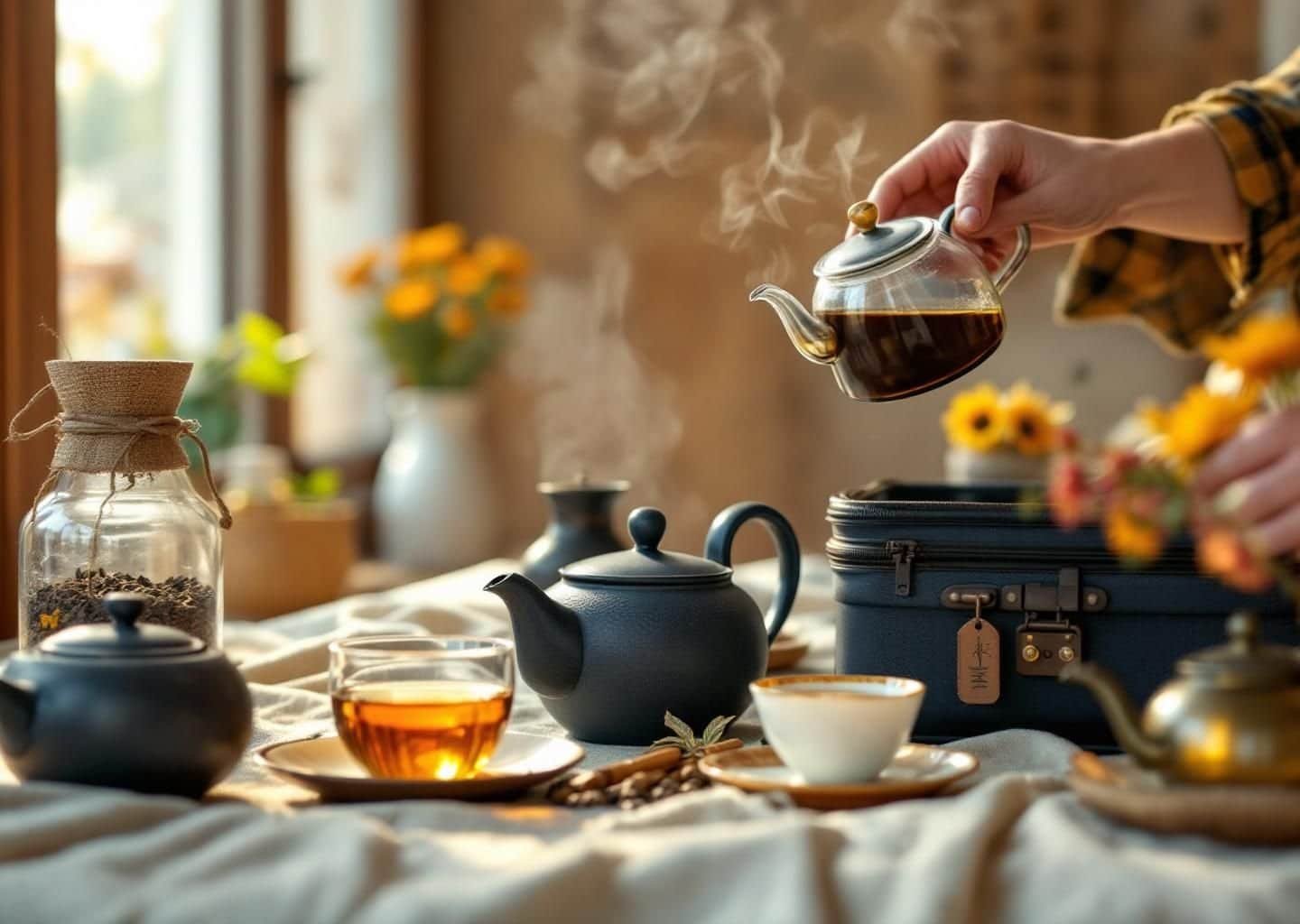
Quick Summary: Packing for an international tea scouting trip requires specialized gear beyond typical travel essentials. Key items include a portable tea kit (gaiwan, tasting cups, thermometer), vacuum-sealed tea storage bags, a tea journal, and moisture-proof containers. Budget 2–3kg of luggage allowance for tea purchases and bring a portable scale to weigh acquisitions at origin.
Tea Scouting Trip Packing Essentials — A successful international tea scouting trip needs: (1) portable tasting kit with gaiwan and cups, (2) vacuum-sealed storage for tea purchases, (3) digital scale for weighing acquisitions, (4) tea journal for tasting notes, (5) moisture-proof containers, and (6) extra luggage allowance for bringing tea home. This guide covers everything you need.
Introduction to Tea Travel Packing
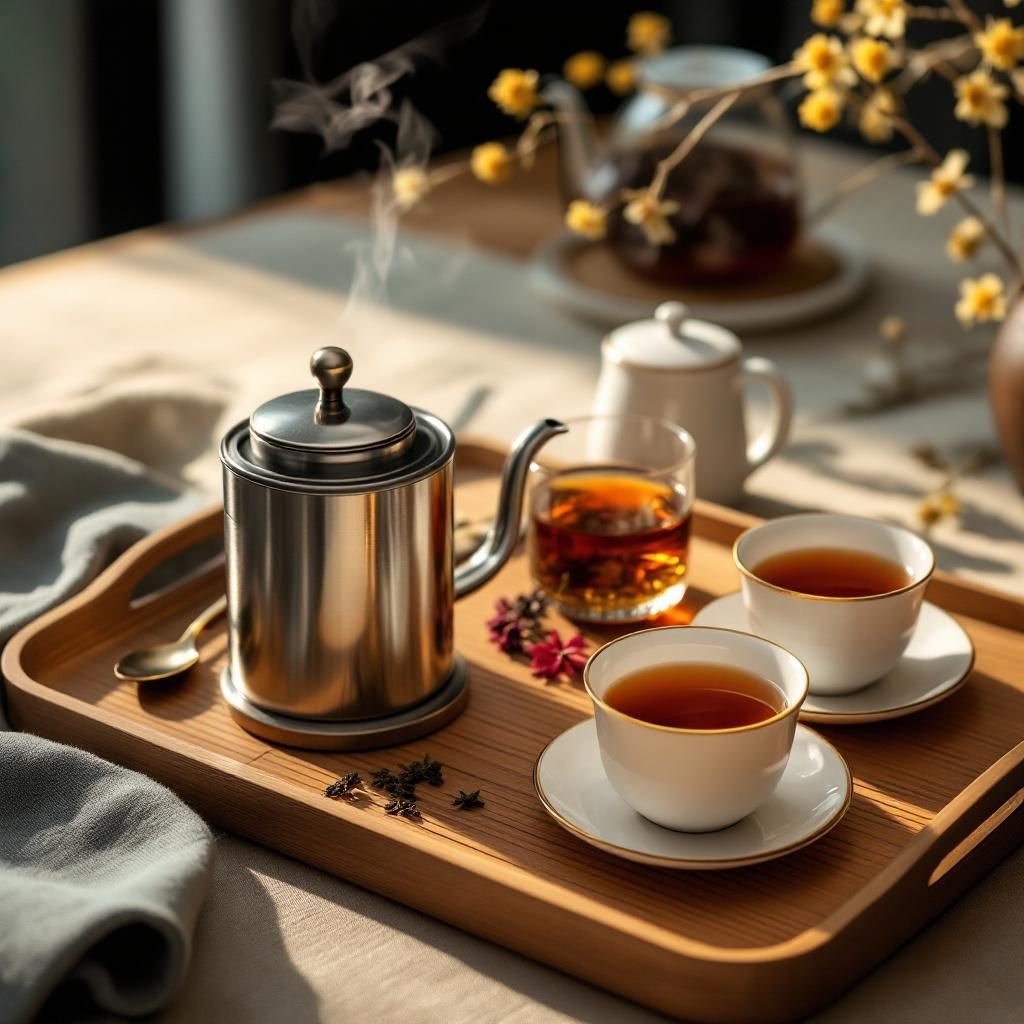
Embarking on an international tea scouting trip offers a unique opportunity to explore diverse tea cultures, savor unique brews, and learn directly from the tea masters themselves. However, packing for such a specialized journey requires more careful consideration than a typical vacation. This guide will provide a comprehensive tea travel packing list, ensuring you have everything necessary to fully immerse yourself in tea tourism.
Essential Tea Travel Gear
Travel Tea Sets
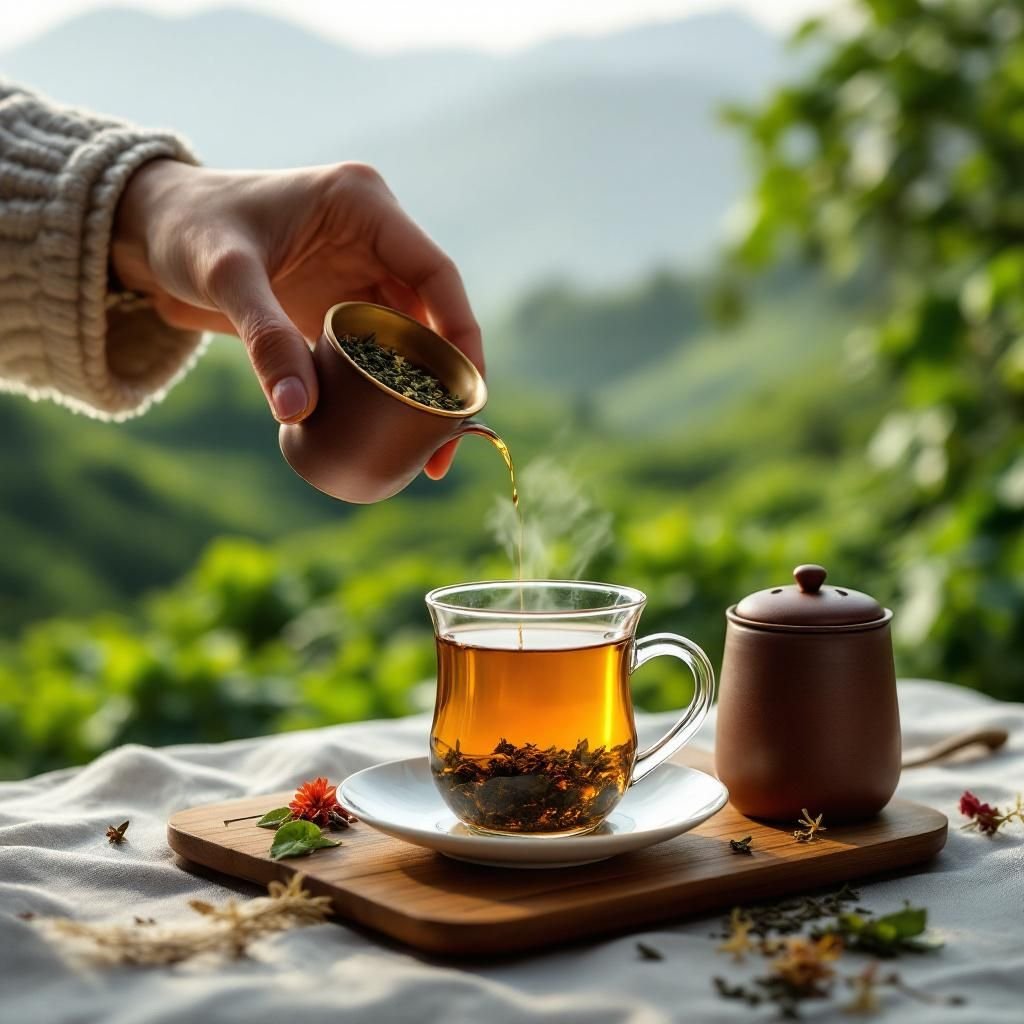
When it comes to savoring tea on the go, having a compact and efficient travel tea set is invaluable. These sets typically include a portable teapot or gaiwan, cups, and a small tea towel, often designed to nest together for easy storage. Look for travel tea sets made from durable materials like stainless steel or bamboo to withstand the rigors of travel. Brands like Teavana and ZENS offer excellent options that balance functionality with aesthetics.
Portable Tea Brewing Solutions
For those who prefer brewing loose leaf tea, portable tea infusers or travel mugs with built-in strainers are essential. These allow you to enjoy a fresh brew without the need for a full tea set. Consider options like the Contigo AutoSeal travel mug, which keeps tea hot for hours and prevents spills, making it ideal for long travel days.
Clothing and Packing Essentials
Weather-Appropriate Apparel
Your clothing choices will largely depend on the climate of your destination. For tea regions known for their lush, misty environments, such as Darjeeling or the highlands of Japan, pack layers to accommodate fluctuating temperatures. A breathable rain jacket is crucial for unexpected downpours, while light, moisture-wicking fabrics work well in warmer, humid climates.
Comfortable Footwear
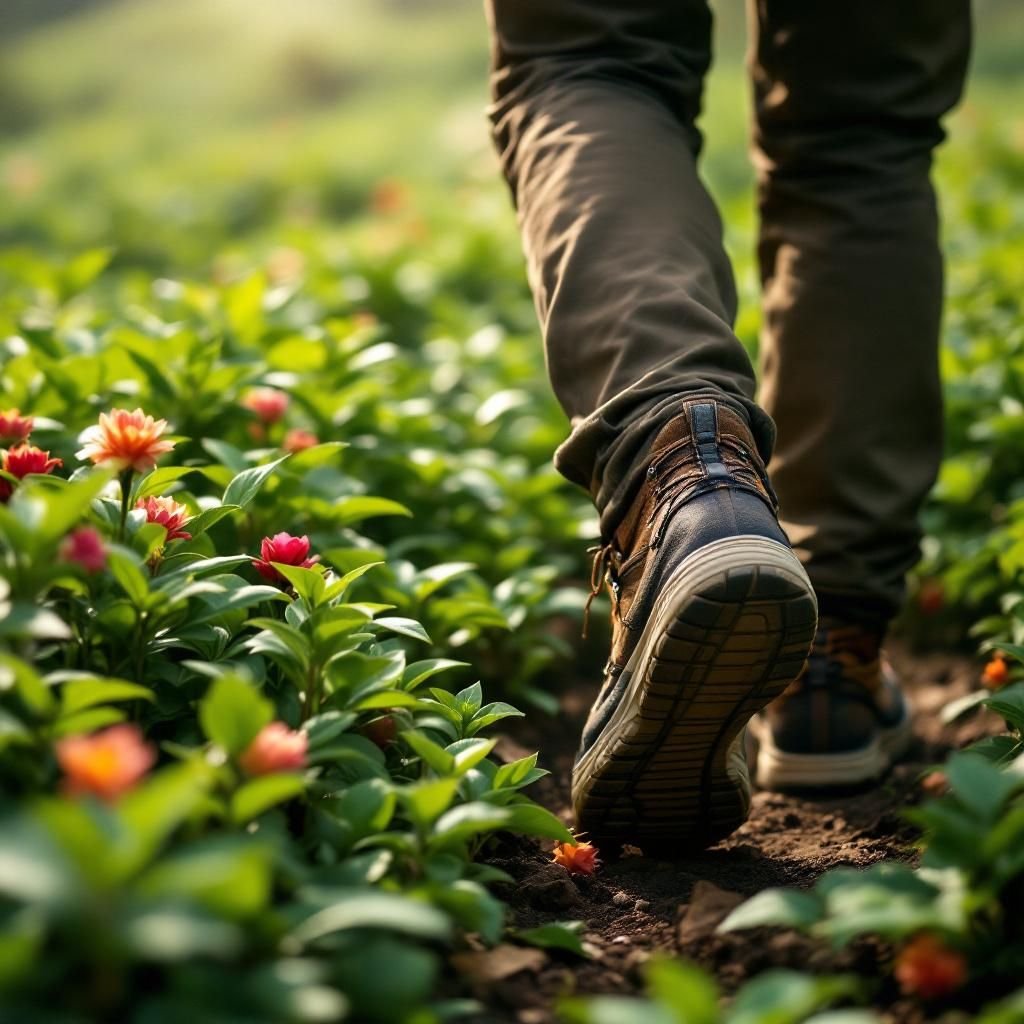
Tea tours often involve walking through plantations and hilly terrains, so comfortable, sturdy footwear is a must. Opt for waterproof hiking shoes or sneakers with good grip, especially if you plan to visit during the rainy season. Investing in quality footwear will enhance your experience and prevent discomfort during long days on your feet.
Tea Trip Essentials
Efficient Packing Techniques
Utilize packing cubes to organize your clothing and accessories efficiently. Not only do they help maximize suitcase space, but they also make it easy to locate items quickly. Roll your clothes instead of folding them to minimize wrinkles and save space.
Secure Storage Solutions for Tea
Tea is sensitive to light, moisture, and odors. To preserve the quality of the tea you collect, use airtight containers or Ziploc bags for storage. Remember to label each bag with the type and origin of the tea to maintain an organized collection.
Documentation and Planning
Travel Documents and Itinerary
Ensure all your travel documents are in order, including passports, visas, and any relevant permits for tea regions you plan to visit. Create a detailed itinerary that highlights key tea gardens, processing factories, and cultural landmarks to maximize your trip’s potential.
Photography and Note-Taking
Bring a good quality camera or smartphone to capture the memories of your tea journey. Additionally, a small notebook for jotting down tasting notes and experiences can be invaluable, particularly when reflecting on different tea flavors and techniques you’ve encountered.
Health and Safety Considerations
First Aid and Health Supplies
Prepare a basic first aid kit with band-aids, antiseptic wipes, and any personal medications you might need. Depending on your destination, consider vaccinations or health advisories to ensure a safe trip. Always have a reliable supply of clean drinking water with you to stay hydrated.
Travel Insurance
Travel insurance is a non-negotiable part of planning any international trip. It covers unforeseen events such as medical emergencies, trip cancellations, or lost luggage, providing peace of mind as you explore the world of tea.
Sample Itineraries
3-Day Tea Tour
A short yet intensive trip could include visits to local tea gardens, a guided factory tour, and participation in a traditional tea ceremony. Focus on one region to deeply engage with its unique tea culture.
5-Day Tea Exploration
Extend your trip to include multiple tea estates and a mix of rural and urban experiences. Use the extra days to explore cultural sites and enjoy local culinary delights alongside your tea adventures.
7-Day Tea Odyssey
A week-long itinerary allows for a comprehensive view of multiple tea-producing regions. Incorporate leisure days for personal exploration and relaxation, ensuring a balanced and enriching travel experience.
Related Guides and Resources
- Ultimate Guide to the World’s Best Tea Regions
- Tea Tasting Etiquette and Cultural Insights
- Exploring the Health Benefits of Green Tea
- Global Tea Festival Calendar
- Packing Light: Essentials for a Tea Lover’s Journey
External Resources
- Official Tourism Guide to Tea Regions
- World Health Organization Travel Advice
What to Expect When Buying Tea at Origin
Buying tea directly from farms and producers is one of the greatest privileges of a tea scouting trip — but it comes with unique challenges that your packing list should address:
- Bulk quantities: Farmers often sell in minimum quantities of 100g–500g per variety. Bring enough vacuum bags and containers to handle 2–5kg of purchases.
- Moisture and humidity: Tea absorbs moisture rapidly. Moisture-proof, resealable bags are non-negotiable — especially in humid regions like Assam or Yunnan during monsoon season.
- Customs regulations: Most countries allow personal tea imports of 1–2kg duty-free. Research your home country’s regulations before departure and keep receipts for all purchases.
- Labeling: Bring a waterproof marker and blank labels to identify each tea immediately after purchase — origin, cultivar, harvest date, and price. Memory fades fast when you’re tasting 20+ teas per day.
- Payment: Many small farms and cooperatives only accept cash in local currency. Carry small denominations and research local currency exchange rates in advance.
Recommended Tea Storage Containers for Travel
The right storage containers protect your tea investments during transit:
- Vacuum-sealed bags (100ml–500ml): Best for loose leaf teas, prevents oxidation and moisture absorption
- Tin canisters with tight lids: Ideal for compressed teas (pu’er cakes, bricks) — protects shape during transit
- Mylar bags with oxygen absorbers: Maximum protection for rare or expensive teas you want to age
- Ziplock bags (double-layered): Budget option for everyday teas, always double-bag to prevent leaks
Ready to Plan Your Tea Scouting Adventure?
Now that you know exactly what to pack, it’s time to start planning your international tea scouting trip. Whether you’re heading to the misty hills of Darjeeling, the ancient tea forests of Yunnan, or the terraced fields of Boseong, the right gear makes all the difference.
🍵 Start Your Tea Travel Journey
Explore our destination guides to find your perfect tea scouting destination:
Darjeeling Tea Estates → Boseong Tea Fields → Chinese Tea Culture →
Frequently Asked Questions
What should I pack for a tea scouting trip?
Essential items include a travel tea set, portable brewing gear, weather-appropriate clothing, and a detailed itinerary.
Can I carry tea leaves back home?
Yes, but ensure they are stored in airtight containers to maintain freshness. Check customs regulations for your destination.
What footwear is best for visiting tea plantations?
Waterproof hiking shoes or sturdy sneakers are recommended for walking through tea gardens.
How do I prepare for different climates in tea regions?
Pack layered clothing for varying temperatures and climates, and include a rain jacket for unexpected weather changes.
Do I need travel insurance for a tea trip?
Yes, travel insurance is essential to cover unforeseen events such as medical emergencies or trip cancellations.

