
The Origins of Tea: China’s 5,000-Year History
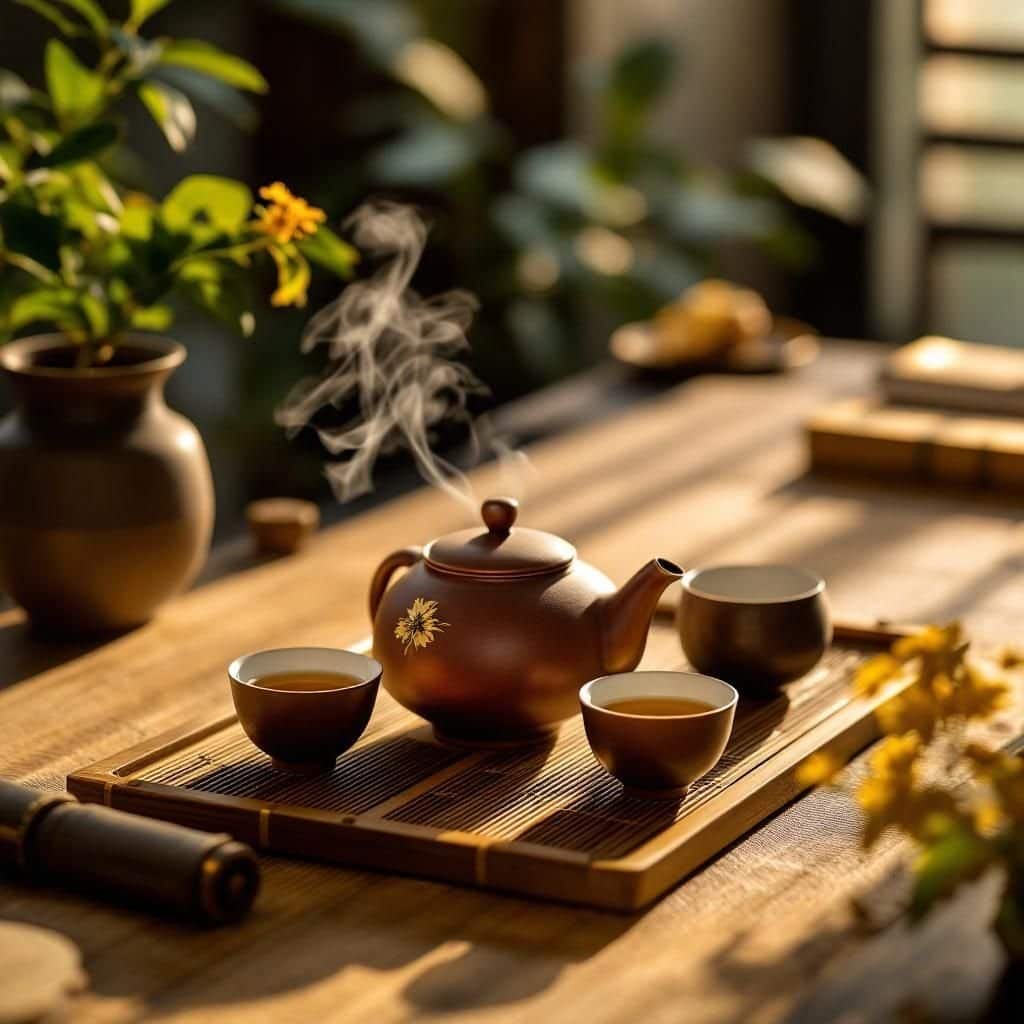
The origins of Chinese tea culture are deeply rooted in the country’s history, dating back approximately 5,000 years. According to legend, the discovery of tea is attributed to Emperor Shen Nong, who, in 2737 BCE, accidentally discovered tea when leaves from a wild tea tree blew into his pot of boiling water. The resulting infusion was refreshing and invigorating, marking the beginning of tea’s storied journey in China. Historical records suggest that tea was initially used for medicinal purposes, prized for its ability to cleanse the body and aid digestion. For more, explore our guide on exploring the birthplace of tea.
As the centuries progressed, tea evolved from a medicinal herb to a staple beverage enjoyed by various dynasties, notably during the Tang (618-907 AD) and Song (960-1279 AD) dynasties. The Tang Dynasty saw the formalization of tea drinking as an art form, while the Song Dynasty introduced the practice of tea competitions, where connoisseurs would gather to compare the quality of their brews. These historical developments laid the groundwork for tea’s role in Chinese society as both a cultural and social staple.
The popularity of tea during these periods also led to the development of various types of tea, each with unique flavors and brewing methods. This diversification contributed significantly to the intricate tapestry of Chinese tea culture that continues to thrive today. For more, explore our guide on Explore the world of tea pets.
Tea in Chinese Philosophy and Religion
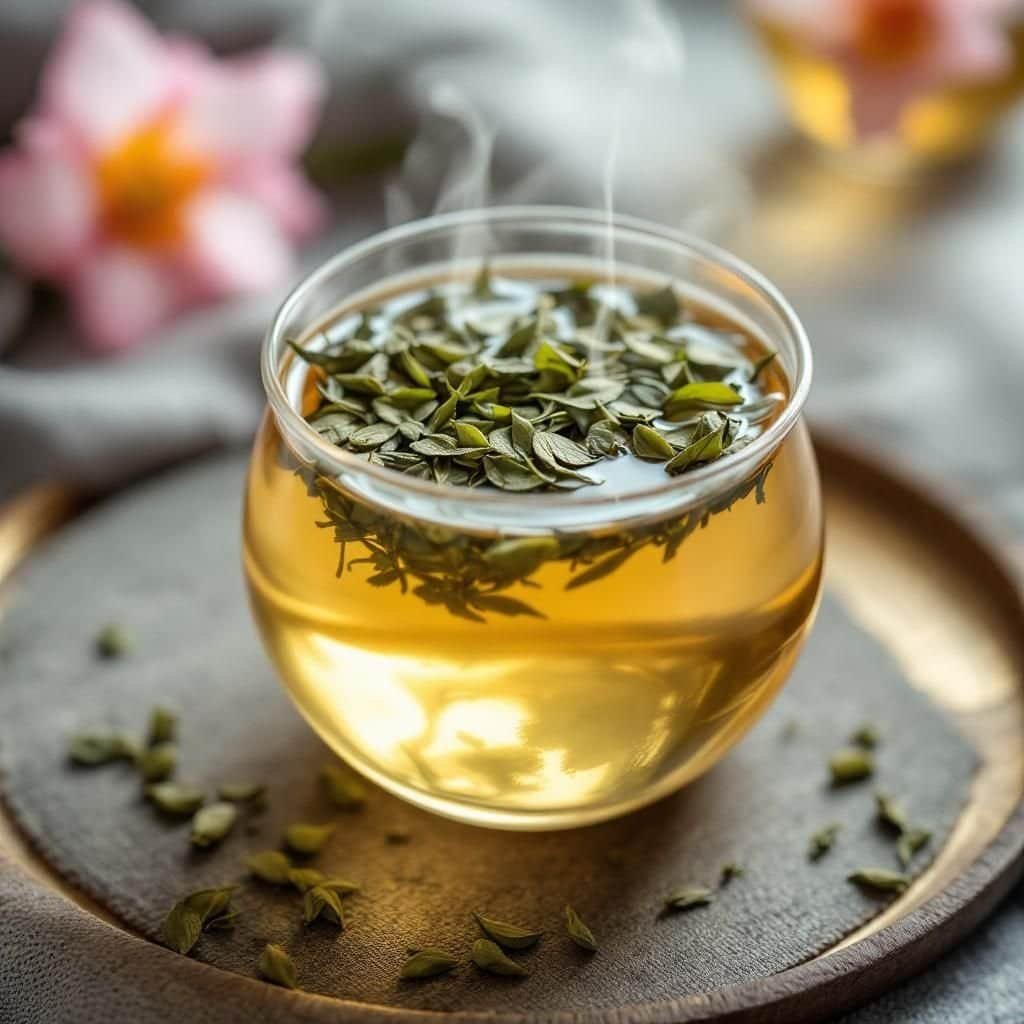
Tea has played a significant role in Chinese philosophy and religion, serving as a symbol of harmony, humility, and respect. It is intricately linked to Daoism, Buddhism, and Confucianism, the three pillars of Chinese spiritual life. Daoists appreciate tea for its natural simplicity and the way it embodies the Daoist principles of balance and harmony with nature. Tea ceremonies often reflect these values, emphasizing the importance of mindfulness and tranquility.
Buddhism also has a profound connection with tea, as monks use it to aid meditation. The calming effect of tea helps monks maintain focus during long periods of contemplation. Legend has it that Bodhidharma, the founder of Zen Buddhism, discovered tea to stay awake while meditating. Tea’s role in Buddhism is further exemplified by the creation of the Japanese tea ceremony, which has its roots in the Zen practices of Chinese monks. For more, explore our guide on how to taste tea like a pro.
In Confucianism, tea is seen as a means of cultivating moral character and social etiquette. The practice of serving tea to guests is a reflection of Confucian values, promoting respect and social harmony. These philosophical and religious connections underscore the deep-seated cultural significance of tea in China, where it is not merely a beverage but a profound cultural artifact.
The Art of Gongfu Cha: A Traditional Chinese Tea Ceremony
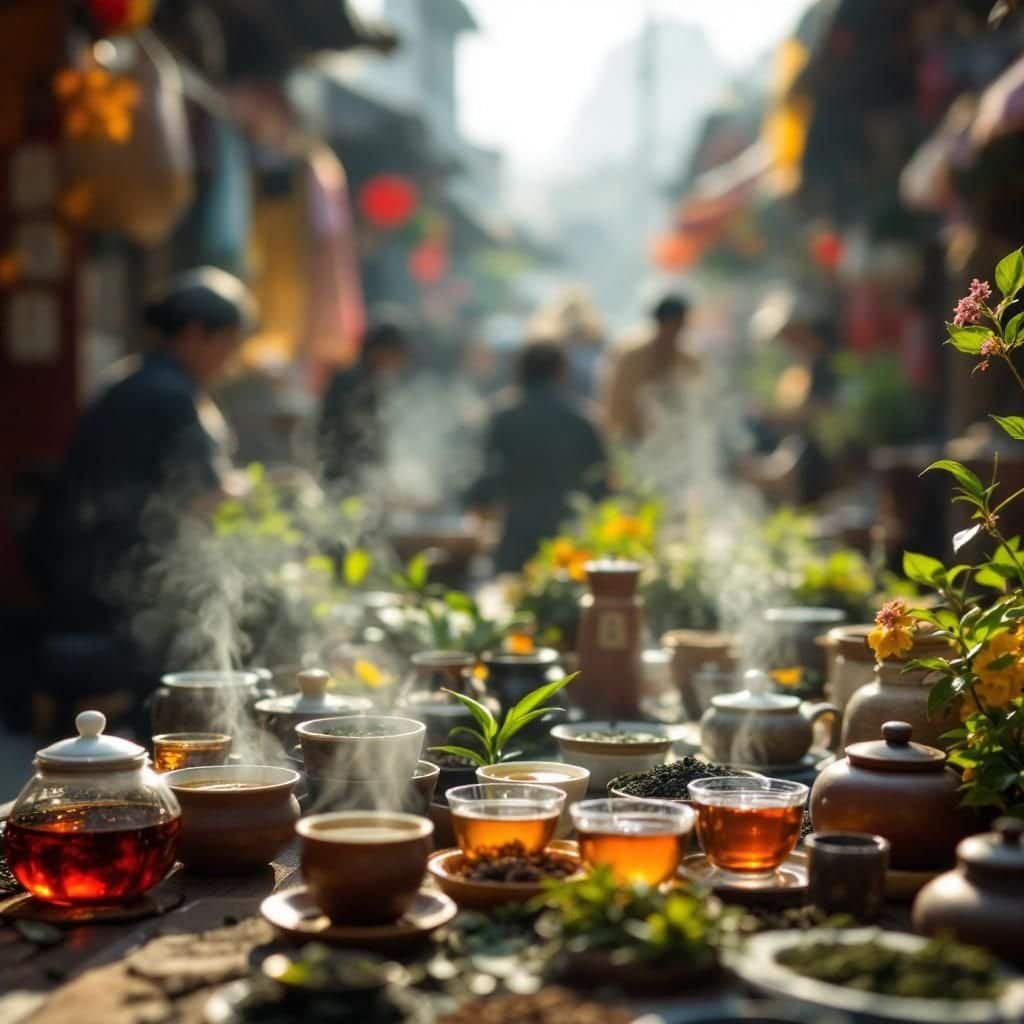
Gongfu Cha, often referred to as the “Kung Fu tea ceremony,” is a traditional method of brewing tea that highlights the skill and precision required to extract the best flavors from the leaves. Originating in the Fujian and Guangdong provinces, Gongfu Cha emphasizes the aesthetics of tea preparation and the ritualistic aspects of serving tea.
This ceremony involves the use of small Yixing clay teapots, which are prized for their ability to retain heat and enhance the flavor of tea. The process begins with warming the teapot and cups, followed by a rinse of the tea leaves to awaken their aroma. The tea is then steeped in short infusions, allowing the drinker to experience the changing flavors over multiple brews.
The Gongfu Cha ceremony is not just about drinking tea; it is an immersive experience that engages all the senses. Participants appreciate the appearance of the leaves, the aroma of the brew, the sound of pouring, the taste of the tea, and the tactile pleasure of handling the teapots. This holistic approach to tea drinking underscores the cultural importance of tea as a vehicle for mindfulness and connection.
Modern Practices in Chinese Tea Culture
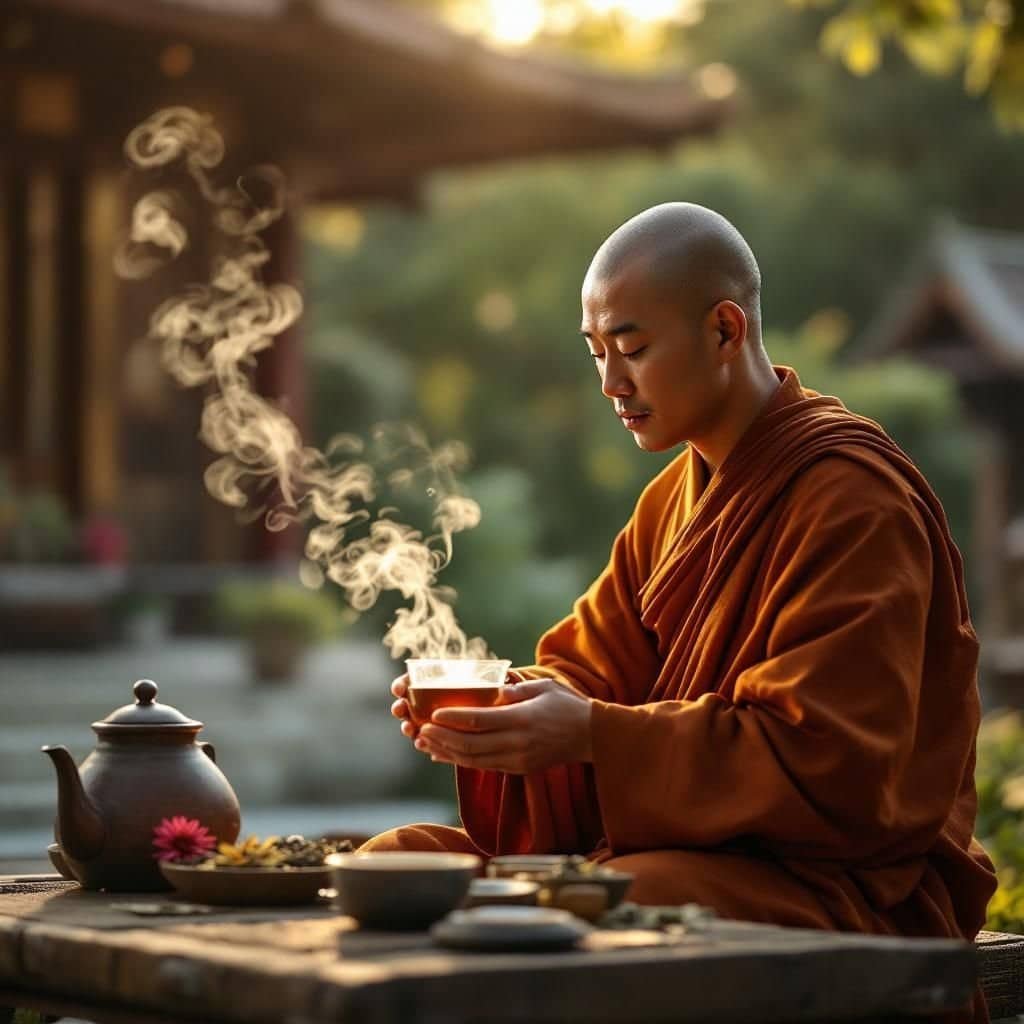
While traditional practices like Gongfu Cha remain popular, modern Chinese tea culture has evolved to accommodate contemporary lifestyles. Urbanization and globalization have introduced new ways of enjoying tea, such as bubble tea, which originated in Taiwan and combines traditional tea with milk, fruit, and tapioca pearls. This innovation has become a global phenomenon, reflecting the adaptability of Chinese tea culture.
In addition to new beverage forms, modern tea culture in China has embraced technology. Online tea shops and virtual tea communities allow enthusiasts to share their experiences and knowledge, while digital platforms offer educational resources on tea history and brewing techniques. This digital transformation has made tea culture more accessible to younger generations, both in China and internationally.
Despite these modern influences, the essence of Chinese tea culture remains rooted in tradition. Tea houses continue to thrive as social hubs where people gather to relax, converse, and enjoy the art of tea. These establishments often blend traditional aesthetics with modern conveniences, creating a unique space that honors the past while embracing the present.
Types of Chinese Tea and Their Tasting Notes
China is home to a rich diversity of tea types, each with its distinct flavor profile and cultural significance. The six major categories are green, black, oolong, white, yellow, and pu-erh tea. Each type offers a unique tasting experience, influenced by factors such as region, climate, and processing methods.
- Green Tea: Known for its fresh, grassy notes and pale liquor, green tea is minimally oxidized, preserving its natural flavors. Longjing (Dragon Well) is a famous variety, celebrated for its delicate chestnut aroma and smooth finish.
- Black Tea: Fully oxidized, black tea boasts robust flavors and a dark amber hue. Keemun, one of China’s most famous black teas, offers a rich, malty taste with hints of fruit and pine.
- Oolong Tea: Partially oxidized, oolong tea bridges the gap between green and black teas. Its flavor ranges from floral to fruity, with Tieguanyin being a popular choice for its orchid-like aroma and sweet, lingering taste.
- White Tea: Least processed of all teas, white tea is cherished for its subtlety. Its light, sweet flavors are best exemplified by Bai Mudan (White Peony), which has a floral aroma and a smooth, mellow taste.
- Yellow Tea: Rare and sought after, yellow tea undergoes a unique processing method that imparts a distinctive mellow and sweet flavor, often compared to green tea but with a more rounded finish.
- Pu-erh Tea: This fermented tea is known for its earthy, bold flavors and dark, rich liquor. Aged pu-erh is particularly prized for its smooth, complex taste, often described as having notes of damp earth and mushrooms.
Tea Tourism in China: Exploring the Tea Regions
For tea enthusiasts, China offers a wealth of travel opportunities to explore its diverse tea regions. From the misty mountains of Fujian to the lush plantations of Yunnan, each region provides a unique glimpse into the world of tea cultivation and production.
The Wuyi Mountains in Fujian are renowned for their rock teas, particularly Da Hong Pao, a rare and expensive oolong. Visitors can explore the scenic landscapes, visit traditional tea farms, and participate in tea tastings. Yunnan, known as the “birthplace of tea,” is famous for its ancient tea trees and pu-erh production. A visit to this region provides insight into the historical roots of tea cultivation and the traditional processing methods still in use today.
The picturesque landscapes of Hangzhou, home to Longjing tea, offer travelers the opportunity to wander through tea gardens, learn about the intricate hand-processing techniques, and enjoy a cup of this world-famous green tea. These regions, among others, highlight the rich tapestry of Chinese tea culture and provide immersive experiences for travelers seeking to deepen their appreciation of tea.
Official Sources and Related Posts
For those interested in learning more about Chinese tea culture, several official sources offer valuable insights:
- The China National Tea Museum in Hangzhou provides comprehensive information on the history and cultural significance of tea in China.
- TeaSpring offers a wide range of authentic Chinese teas and detailed descriptions of their origins and flavor profiles.
Related posts on Steeped Travels can further enhance your journey into the world of tea:
- The Ultimate Guide to Green Tea
- Exploring the Origins of Oolong Tea
- Varieties of Black Tea and Their Unique Characteristics
- Understanding the Tea Ceremony: A Cultural Exploration
- Health Benefits of Pu-erh Tea
Frequently Asked Questions
What is the origin of tea in China?
Tea in China is believed to have originated around 2737 BCE, discovered by Emperor Shen Nong when tea leaves accidentally fell into boiling water.
How does Gongfu Cha differ from other tea ceremonies?
Gongfu Cha emphasizes skill and precision in tea preparation, using small teapots and multiple short infusions to fully explore the flavors of the tea.
What role does tea play in Chinese philosophy?
Tea is integral to Daoism, Buddhism, and Confucianism in China, symbolizing harmony, mindfulness, and social etiquette.
What are the major types of Chinese tea?
The major types are green, black, oolong, white, yellow, and pu-erh, each with distinct flavor profiles and cultural significance.
How has modern Chinese tea culture evolved?
Modern practices include innovations like bubble tea and the use of digital platforms for education and community building, while traditional tea houses remain popular.
yes