
Quick Facts Box
- Country: China
- Region: Anhui Province
- Best Time to Visit: April to November
- Currency: Chinese Yuan (CNY)
- Language: Mandarin Chinese
- Visa Requirements: Tourist visa required for most travelers
Introduction to Huoshan Tea Tourism
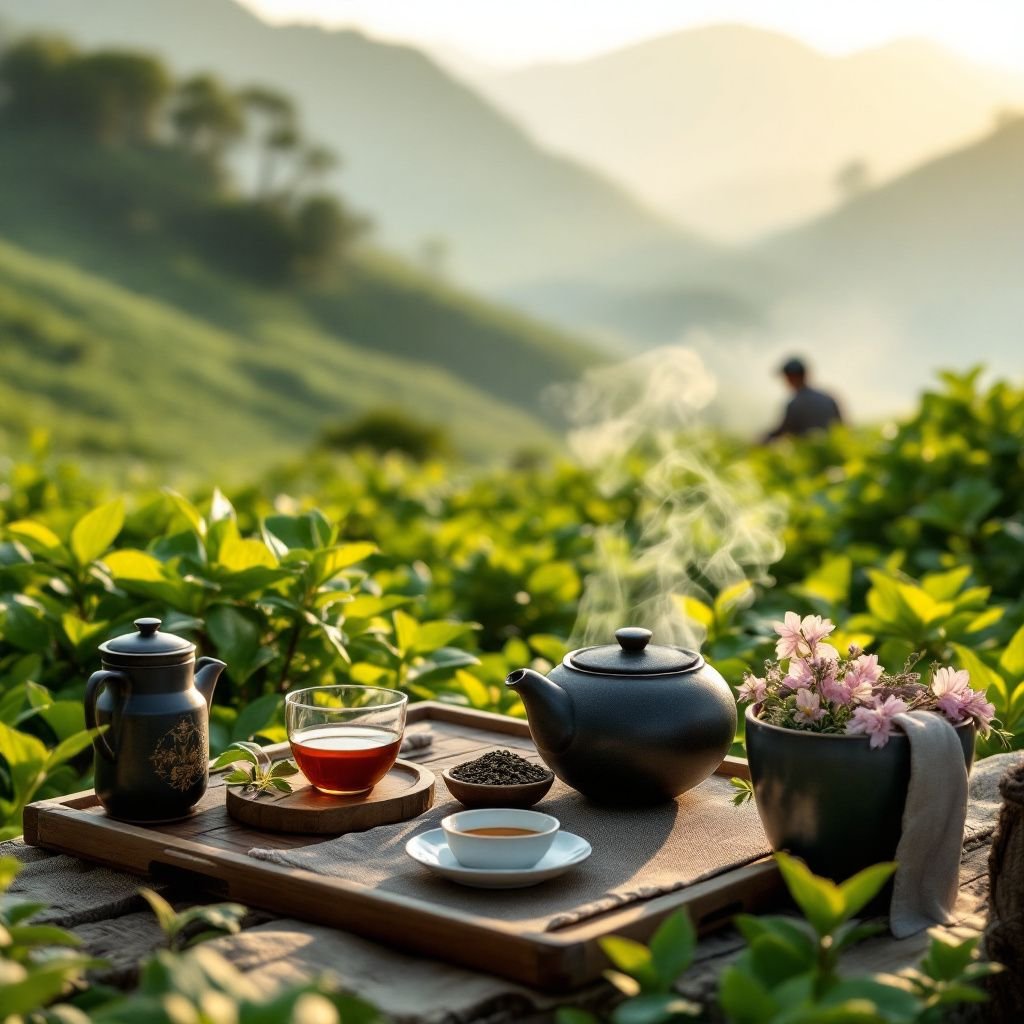
Perched in the verdant embrace of the Dabie Mountains, Huoshan in Anhui Province is the birthplace of one of China’s most treasured teas: Huoshan Huangya Yellow Tea. As part of the broader China tea travel experience, Huoshan tea tourism offers enthusiasts an immersive experience to explore ancient tea gardens, witness traditional processing techniques, and savor the unique flavors of this exceptional yellow tea. This guide will walk you through everything you need to know about visiting the tea-rich landscapes of Huoshan, from the best tea estates and tasting experiences to travel tips and itineraries.
Best Tea Regions in Huoshan
Huoshan is famed for its sprawling tea gardens set in lush mountain terrain. The most notable tea estates include the Huoshan Huangya Tea Garden and the Jinzhai Tea Plantation. These estates are renowned for their pristine environments and traditional cultivation methods that produce high-quality yellow tea. The gardens are often shrouded in mist, providing the perfect climate for the tender tea buds that are handpicked each spring. Visitors can explore these estates, learning about the meticulous care that goes into producing Huoshan Huangya, from cultivation to harvest. Guided tours offer insights into the unique challenges of growing tea in such a diverse ecosystem and provide opportunities for hands-on experiences in picking and processing tea leaves.
Types of Tea Produced
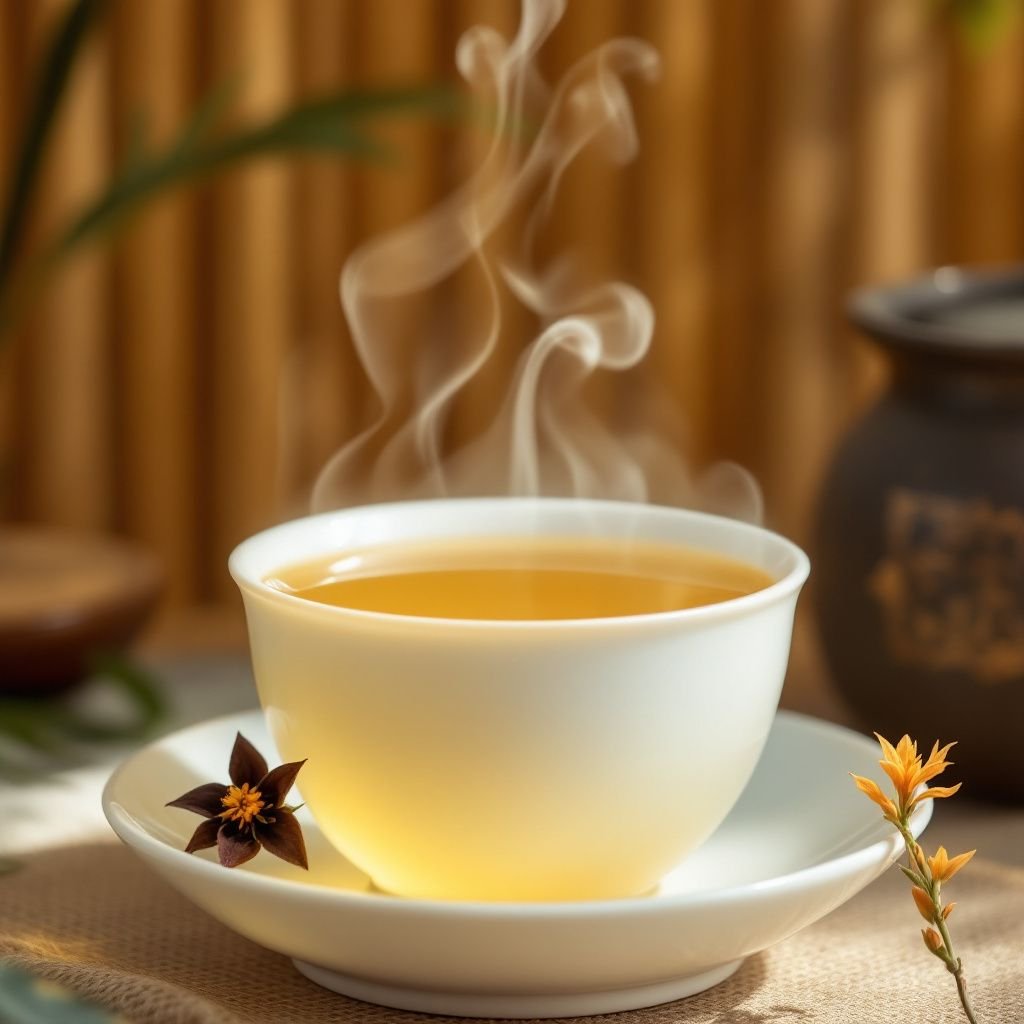
While Huoshan is predominantly known for Huoshan Huangya, the region also produces an array of other teas, including green and black varieties. Huoshan Huangya is characterized by its needle-like leaves and a bright yellow liquor that offers a mild, nutty flavor with floral undertones. The tea undergoes a unique process where the leaves are lightly fermented, allowing the chlorophyll to break down slightly, which is rare among Chinese teas. This results in a tea that is both smooth and aromatic, lacking the astringency found in many green teas. Tasting notes often include hints of chestnut and honeysuckle, making it a favorite among connoisseurs. To understand the broader context of these teas, explore our guide to Chinese tea culture and traditions.
Tea Tourism Experiences
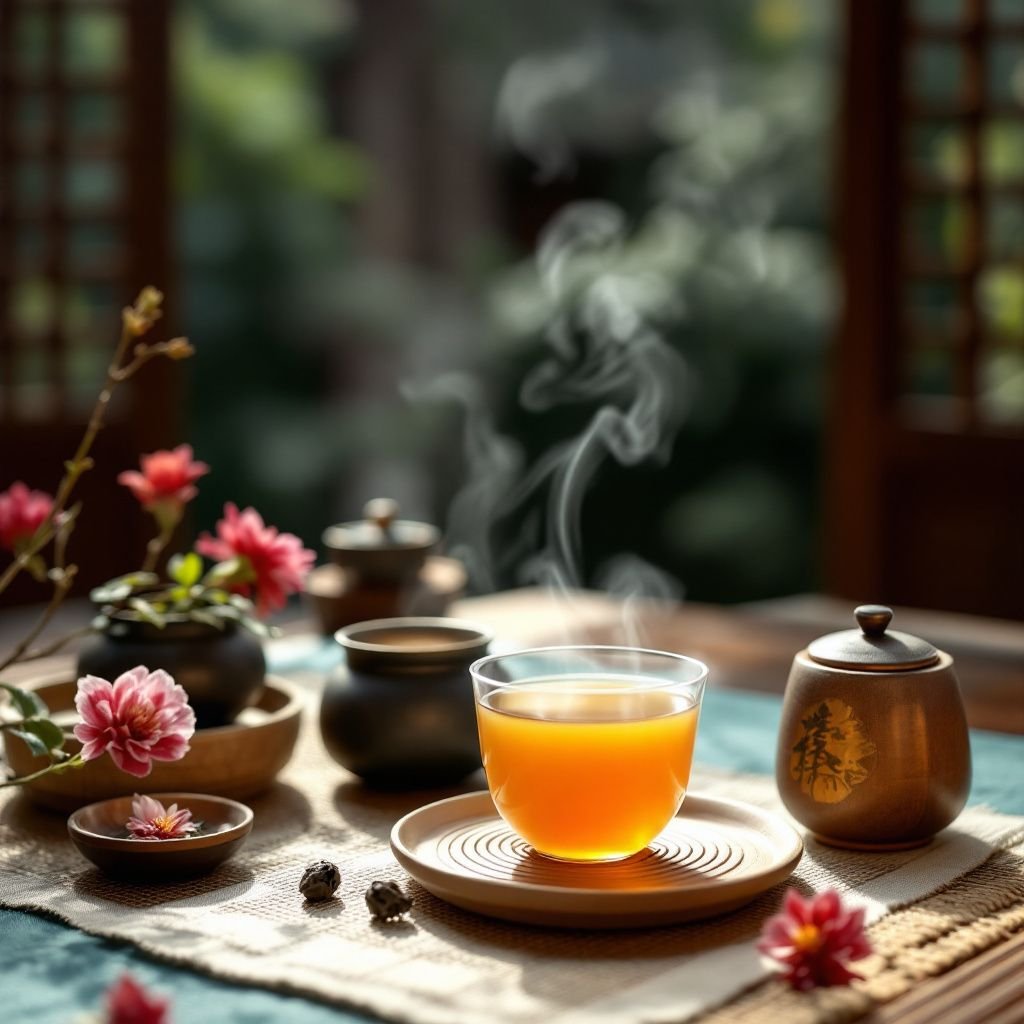
Tea factory tours provide a behind-the-scenes look at the production processes that transform fresh leaves into the refined tea enjoyed worldwide. Visitors can participate in tea tastings where they learn to distinguish the subtle differences between various tea grades and styles. Additionally, traditional tea ceremonies are held to showcase the art of Chinese tea preparation and appreciation. These ceremonies are a cultural highlight, reflecting the deep reverence for tea in Chinese society. Another popular experience is hiking through the lush tea plantations, where travelers can enjoy stunning vistas and the serene ambiance of the tea gardens. For another fascinating dark tea heritage experience in China, consider visiting the Anhua dark tea region of Hunan.
Best Time to Visit
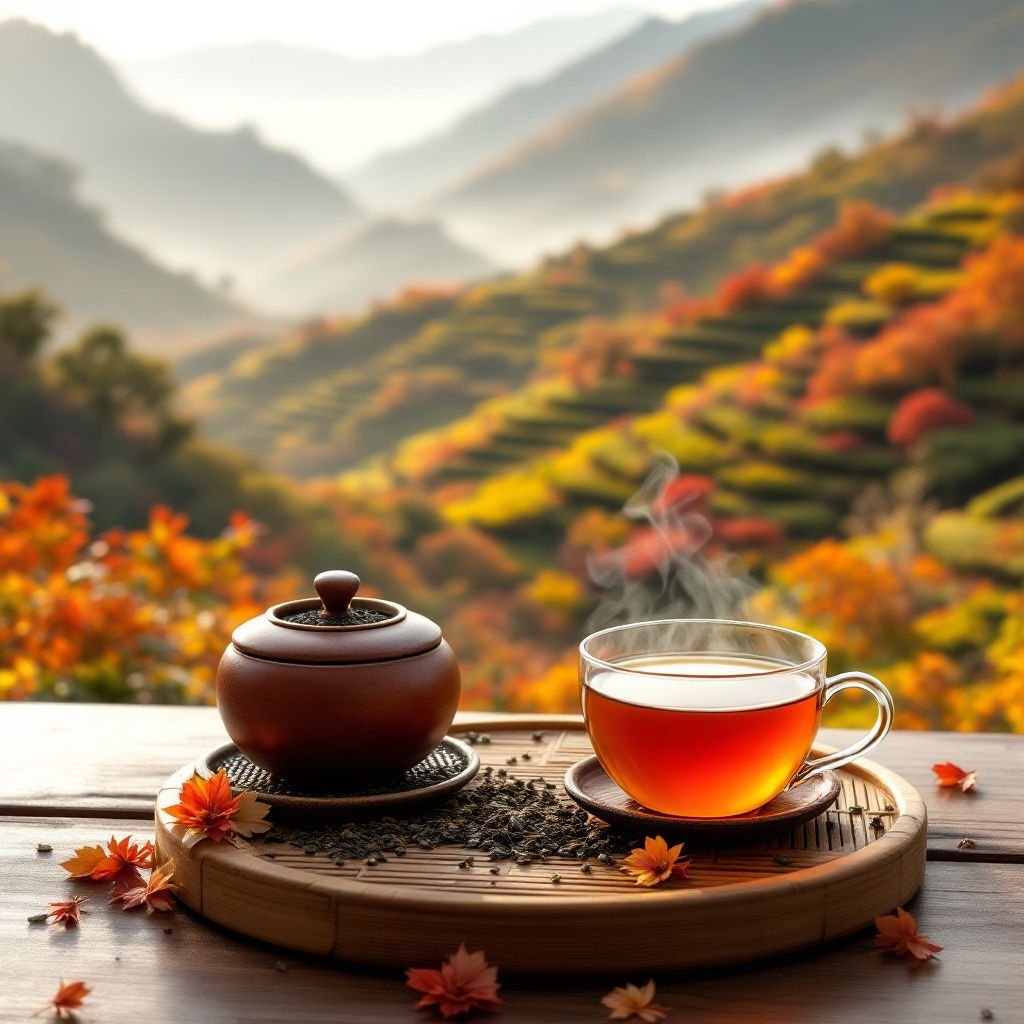
The ideal time to visit Huoshan is from April to November, with spring and autumn being particularly favorable. During these months, the climate is mild, and the tea plants are at their most vibrant. Spring is the peak season for tea picking, offering visitors the chance to observe and even participate in the harvest. Autumn, on the other hand, provides cooler temperatures and the picturesque scenery of autumnal foliage. These seasons also coincide with various local festivals celebrating the tea harvest, providing a deeper cultural insight into the region’s traditions.
How to Get There
Huoshan is accessible by several modes of transportation. The nearest major airport is Hefei Xinqiao International Airport, approximately 170 kilometers away. From Hefei, travelers can take a direct bus or hire a private car to reach Huoshan. Alternatively, trains connect Hefei with Liu’an, a nearby city, from which local buses or taxis can be taken to Huoshan. For a more scenic journey, consider renting a bicycle to explore the region’s picturesque countryside at a leisurely pace.
Where to Stay
Accommodations in Huoshan range from rustic guesthouses to luxurious resorts. For an authentic experience, consider staying at a tea estate such as the Huoshan Tea Garden Resort, which offers charming lodgings amidst the tea fields. These accommodations often include guided tours and tea tastings as part of the stay. For those seeking modern comforts, the Huoshan Grand Hotel provides a range of amenities while still offering easy access to the tea regions. Budget travelers can find several hostels and guesthouses in the town center, providing a comfortable base for exploring the area.
Costs and Budgeting
Traveling in Huoshan can be quite affordable. On average, a daily budget of 300 to 500 CNY per person can cover accommodations, meals, and local transportation. Entrance fees for tea gardens and tours typically range from 50 to 150 CNY. To save costs, consider traveling during the shoulder seasons or taking advantage of package deals offered by local tour operators. Dining in Huoshan is generally inexpensive, with many local eateries offering delicious home-cooked meals at reasonable prices.
Sample Itineraries
3-Day Itinerary
Day 1: Arrive in Huoshan and visit the Huoshan Huangya Tea Garden for a tour and tasting. Spend the evening exploring the local market and enjoying a traditional dinner.
Day 2: Spend the day hiking in the Dabie Mountains, visiting scenic spots and learning about the local flora. Return to town for a tea ceremony experience.
Day 3: Visit a local tea factory to witness the tea production process. Depart Huoshan in the afternoon.
5-Day Itinerary
Day 1-3 as above.
Day 4: Explore the cultural attractions in Liu’an, including historical temples and museums. Return to Huoshan in the evening.
Day 5: Enjoy a final morning tea tasting and shopping for tea souvenirs before departing.
7-Day Itinerary
Days 1-5 as above.
Day 6: Visit the Jinzhai Tea Plantation for an in-depth tour and lunch at the estate. Spend the afternoon at leisure enjoying the natural surroundings.
Day 7: Engage in a hands-on tea-making workshop before departing Huoshan.
What makes Huoshan Huangya tea unique?
Huoshan Huangya is unique due to its light fermentation process, which gives it a distinctive yellow hue and a smooth, nutty flavor.
Can I participate in tea picking?
Yes, many tea gardens in Huoshan offer visitors the opportunity to participate in tea picking during the harvest season.
Are there English-speaking guides available?
While some tea tours offer English-speaking guides, it is advisable to arrange for a local guide or translator in advance for a more comprehensive experience.
What should I pack for a trip to Huoshan?
Pack comfortable walking shoes, lightweight clothing for the day, warmer layers for the evening, and a raincoat if visiting during the rainy season.
Is yellow tea more expensive than other types?
Yellow tea can be more expensive due to its rarity and the labor-intensive production process, but prices vary depending on the grade and source.
Frequently Asked Questions
What makes Huoshan Huangya tea unique?
