
To deepen your understanding of the ceremony, explore our guide to Gongfu tea etiquette and symbols — the hidden meanings behind every gesture and pour.
Quick Summary: Gongfu Cha is a traditional Chinese tea ceremony emphasizing precision, mindfulness, and sensory appreciation. Travelers can experience it at tea houses in China, Taiwan, and major cities worldwide. Sessions typically last 60–90 minutes, cost $20–$50, and include multiple infusions guided by a tea master.
Want to explore the broader world of tea in China? Our guide to Chinese tea culture and traditions covers history, regional varieties, and modern tea culture.
Table of Contents
What to Expect
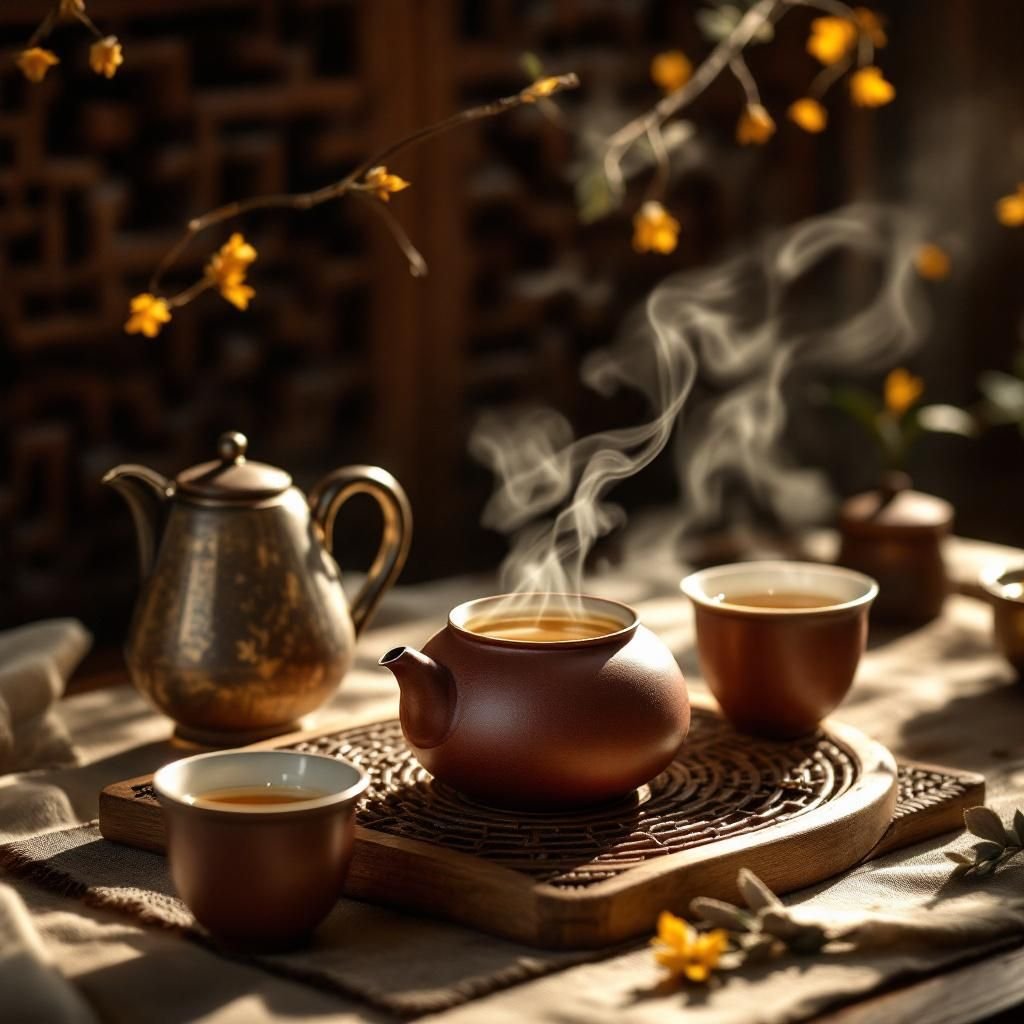
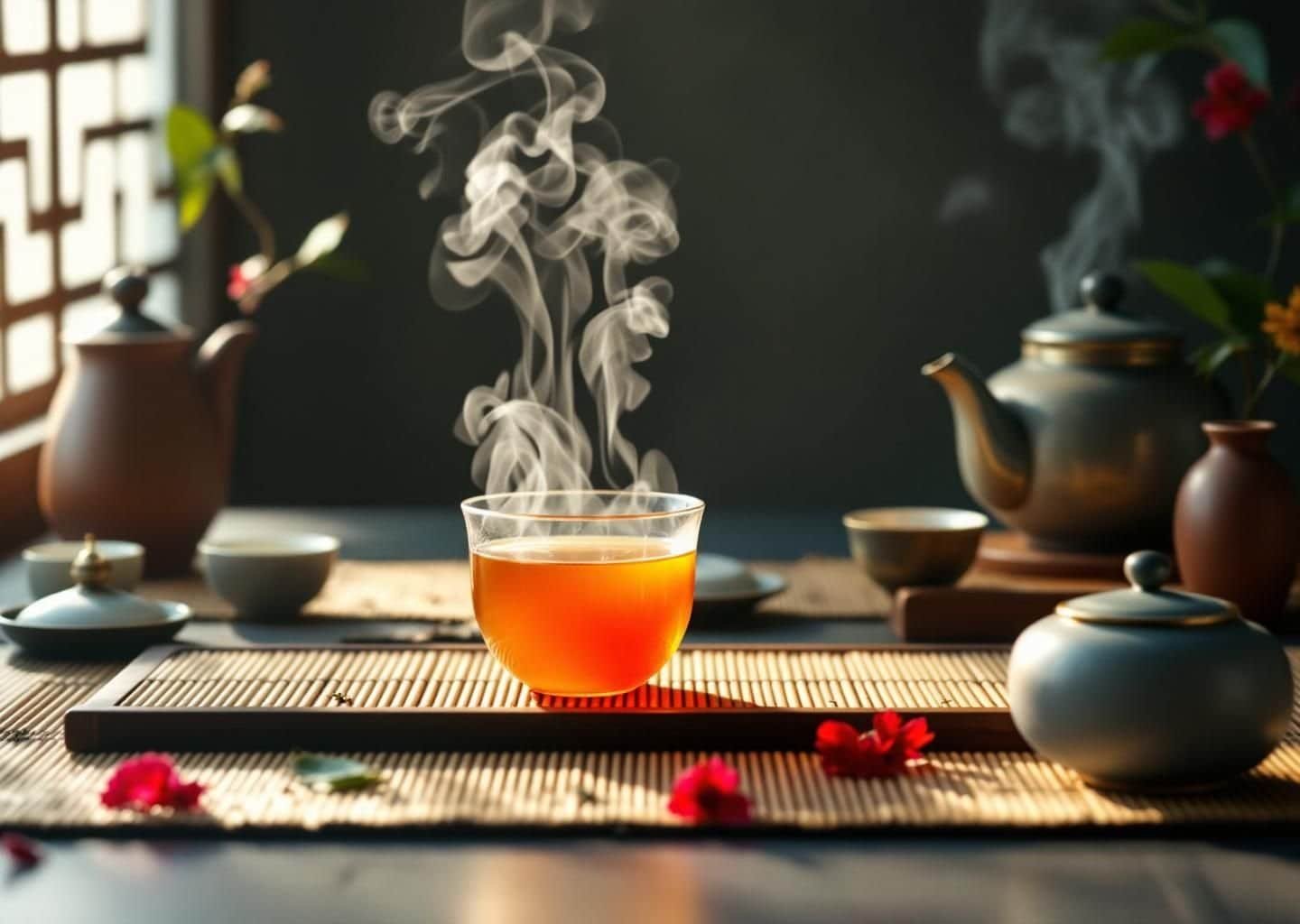
The Gongfu Cha, or Chinese tea ceremony, is a traditional ritual that emphasizes the artful preparation and presentation of tea. As a traveler stepping into this experience, expect a tranquil ambiance, often in a room adorned with traditional Chinese decor, such as bamboo mats, porcelain teapots, and delicate tea cups. The ceremony is as much about the process as it is about the tea itself, with a focus on achieving perfect taste and aroma through precise brewing techniques. Participants are encouraged to engage with all their senses, from the visual beauty of the tea leaves to the soothing aroma and the comforting warmth of the tea. The ceremony typically lasts an hour, allowing ample time to savor multiple infusions of the tea.
Booking Information
To participate in a Gongfu Cha ceremony, it’s advisable to book in advance, especially during peak tourist seasons. Many tea houses offer online reservation systems, which can be accessed through their websites. Prices for a session can vary depending on the location and the renown of the tea house, ranging from $20 to $50 per person. Some tea houses offer private sessions or group discounts, so it’s worth inquiring about these options when booking. Additionally, some establishments may require a deposit to secure your spot. Be sure to check cancellation policies to avoid any unexpected charges.
Costs and What is Included
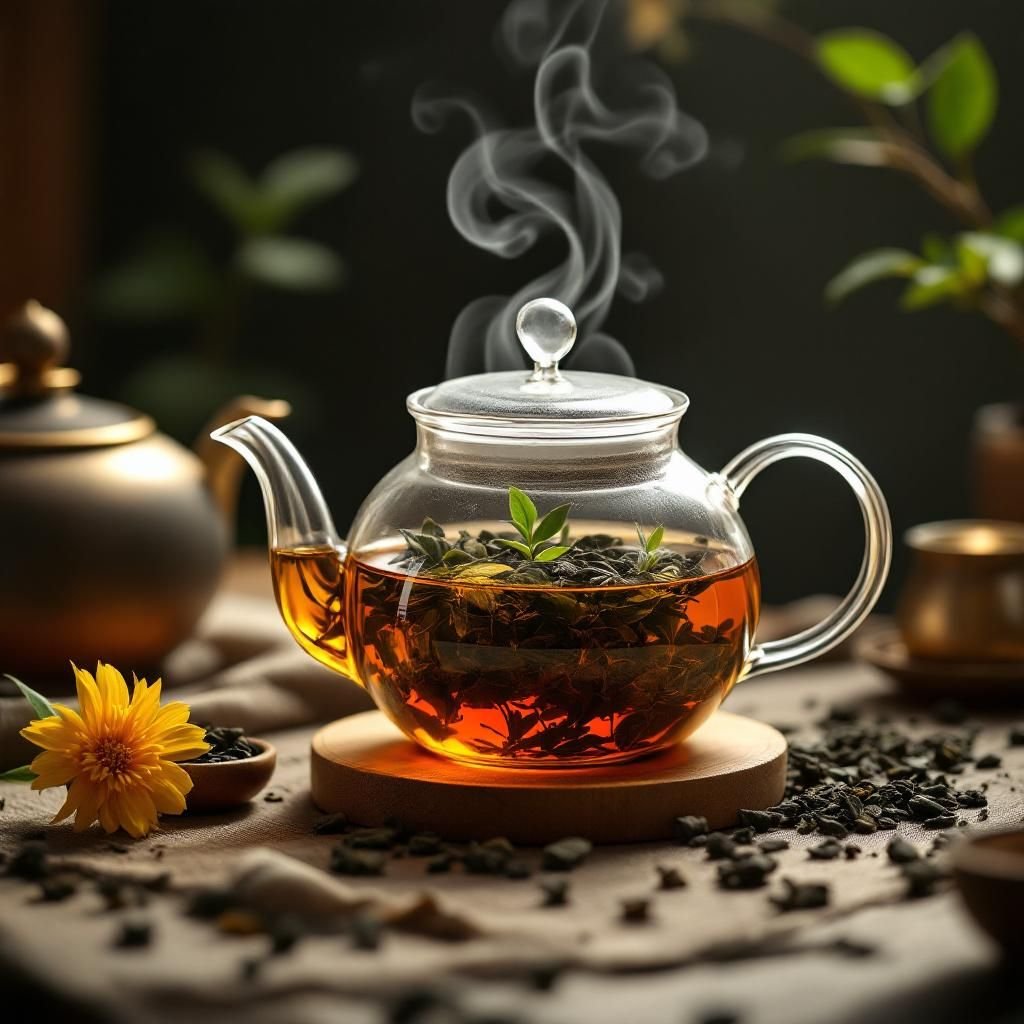
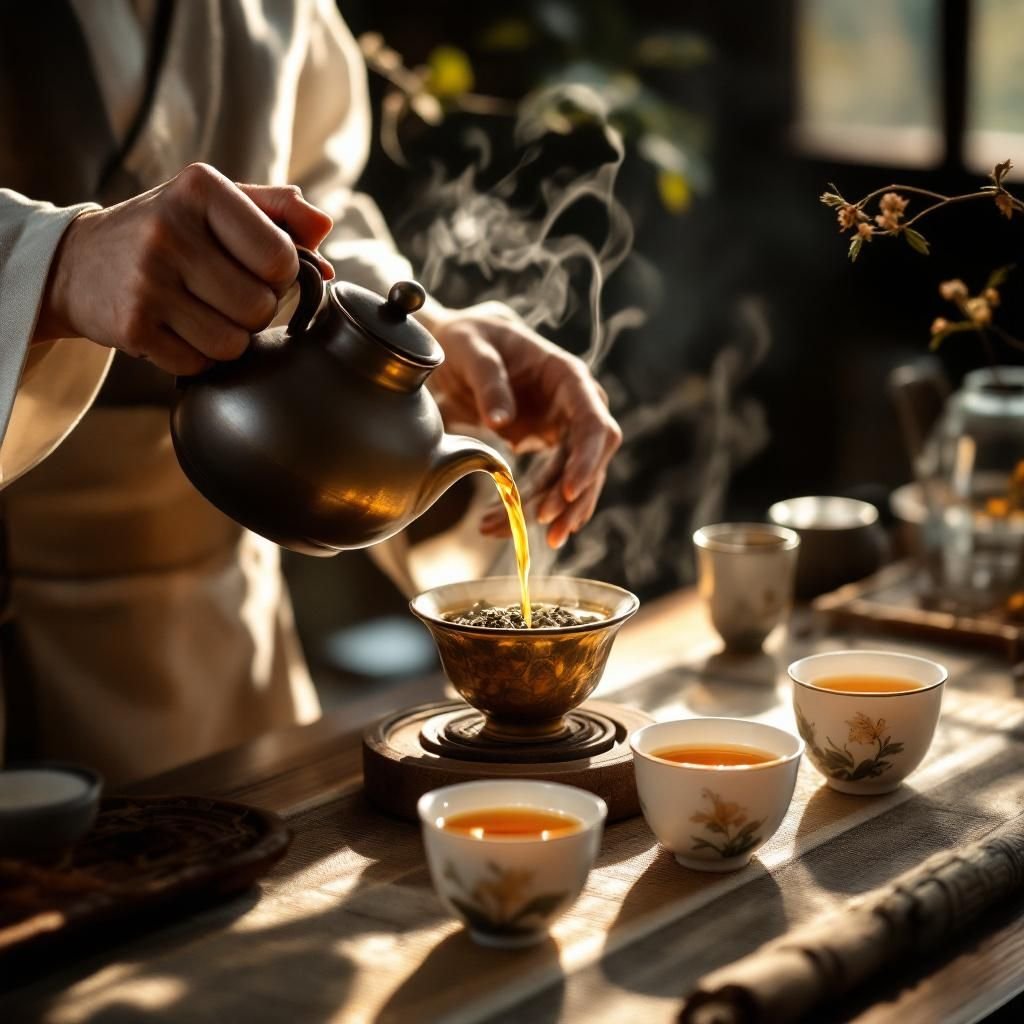
The cost of participating in a Gongfu Cha ceremony generally includes a guided session with a tea master, who will lead you through the intricate steps of the ceremony. You’ll often have the opportunity to sample several types of high-quality Chinese teas, such as oolong or pu-erh. The session typically includes all necessary equipment, such as a Gongfu tea set with a gaiwan or Yixing teapot, tea cups, and utensils for tea preparation. In some cases, participants may receive a small gift, like a sample of the tea tasted during the session or a souvenir tea cup. These sessions not only provide a taste of Chinese culture but also a deeper understanding of tea appreciation.
Tips for First-Timers
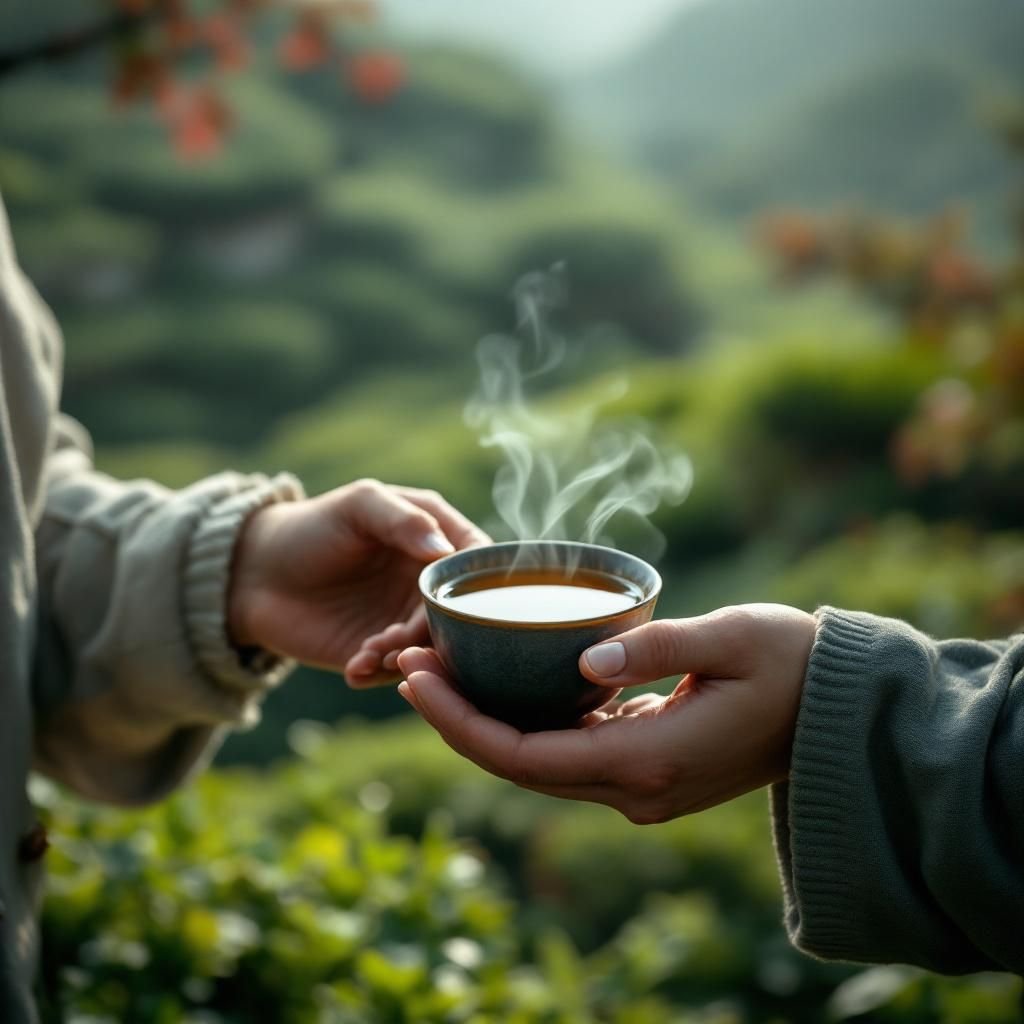
If it’s your first time participating in a Gongfu tea ceremony, here are some tips to enhance your experience. Firstly, arrive with an open mind and a willingness to learn; the ceremony is as much about education as it is about enjoyment. Dress comfortably, as you may be sitting cross-legged or on low chairs for an extended period. Be attentive to the tea master’s instructions, as each step in the process is important for achieving the desired taste and aroma. Feel free to ask questions and engage with the tea master; they are usually very knowledgeable and happy to share insights. Lastly, practice tea etiquette, such as holding the cup with both hands and sipping quietly to show respect for the tea and the ceremony.
Best Time to Go
The best time to experience a Gongfu Cha ceremony is during the spring or autumn months. These seasons offer mild weather, which is ideal for enjoying tea. Spring is particularly special as it coincides with the harvest of fresh tea leaves, providing an opportunity to taste the freshest brews. Autumn, on the other hand, is a time when aged teas are at their best, offering rich and complex flavors. Avoid booking during national holidays, such as Chinese New Year or Golden Week, when tea houses may be crowded or closed. Weekdays are generally less busy, allowing for a more intimate and personalized experience.
Alternatives and Similar Experiences
If you’re interested in exploring other tea experiences, consider attending a Japanese tea ceremony, known as Chanoyu. While it shares some similarities with Gongfu Cha, Chanoyu focuses more on the aesthetics and spiritual aspects of tea preparation. Alternatively, the Korean tea ceremony offers another unique experience, emphasizing harmony and respect. In Taiwan, you can explore the art of tea tasting, where the focus is on appreciating the diversity and complexity of Taiwanese teas. Each of these experiences provides a distinct perspective on tea culture and can enhance your appreciation for this ancient beverage.
Essential Gongfu Cha Equipment Explained
Understanding the tools of Gongfu Cha deepens your appreciation of the ceremony. Here’s what you’ll encounter at a traditional session:
- Gaiwan (盖碗): A lidded bowl used for brewing and drinking tea. The lid controls steeping time and helps separate leaves from liquid. Mastering the gaiwan pour is a skill in itself.
- Yixing Teapot (宜兴茶壶): Unglazed clay teapots from Yixing, Jiangsu Province. These porous pots absorb tea oils over time, enhancing flavor with each use. Serious practitioners dedicate one pot to a single tea type.
- Cha Hai (茶海): Also called a fairness pitcher or gong dao bei, this vessel equalizes the tea’s strength before pouring into individual cups, ensuring every guest receives the same quality brew.
- Wen Xiang Bei (闻香杯): Tall aroma cups used to appreciate the tea’s fragrance before drinking. You pour tea from the aroma cup into the tasting cup, then inhale the lingering scent.
- Tea Tray (茶盘): A bamboo or wood tray with drainage channels catches spilled water during the rinsing and warming process — an essential part of Gongfu Cha preparation.
Best Teas for Gongfu Cha
Not all teas are suited to the Gongfu method. The ceremony’s multiple short infusions work best with teas that can withstand repeated brewing while revealing new flavor layers:
- Oolong Tea: The quintessential Gongfu tea. High mountain oolongs from Taiwan (Alishan, Li Shan) and Fujian (Tieguanyin, Da Hong Pao) reward multiple infusions with evolving floral, fruity, and roasted notes.
- Pu-erh Tea: Aged pu-erh from Yunnan Province can be steeped 10–20 times, with each infusion revealing different characteristics. Ripe (shou) pu-erh is earthy and smooth; raw (sheng) pu-erh is complex and astringent.
- White Tea: Silver Needle (Bai Hao Yinzhen) and White Peony (Bai Mu Dan) from Fujian offer delicate sweetness that shines in the Gongfu method’s precise temperature control.
- High-Grade Green Tea: Longjing (Dragon Well) and Bi Luo Chun respond beautifully to Gongfu brewing at lower temperatures (70–80°C), preserving their fresh, vegetal character.
Where to Experience Authentic Gongfu Cha
For travelers seeking authentic Gongfu Cha experiences, these destinations offer the most immersive opportunities:
- Chengdu, Sichuan: Chengdu’s teahouse culture is legendary. Renmin Park’s teahouses offer traditional Gongfu sessions alongside ear-cleaning services and mahjong — a uniquely Sichuan experience.
- Wuyishan, Fujian: The birthplace of Da Hong Pao oolong. Tea farms and ceremony studios in the UNESCO World Heritage scenic area offer farm-to-cup Gongfu experiences.
- Taipei, Taiwan: The Maokong Gondola area and Wistaria Tea House in Da’an District are legendary venues for high mountain oolong Gongfu ceremonies.
- Hangzhou, Zhejiang: Near the Longjing tea fields, traditional tea houses offer Gongfu sessions with freshly harvested Dragon Well green tea.
- International: Major cities including San Francisco, New York, London, and Sydney have dedicated Gongfu tea studios catering to travelers and enthusiasts.
Related Guides
- Japanese Tea Ceremony Guide
- Taiwanese Tea Tasting Experience
- Korean Tea Ceremony Exploration
- History of Tea in China
- Comparing Tea Ceremonies Around the World
Ready to Experience Gongfu Cha?
Explore our complete guides to tea destinations in China, Taiwan, and beyond. Find the perfect tea ceremony experience for your next journey.
Explore Tea Travel Guides →Frequently Asked Questions
What is Gongfu Cha?
Gongfu Cha is a traditional Chinese tea ceremony that involves the ceremonial preparation and presentation of tea, focusing on precision and sensory enjoyment.
What do I need for a Gongfu tea ceremony?
You will need a Gongfu tea set, which includes a gaiwan or Yixing teapot, tea cups, a tea tray, and utensils such as a tea scoop and strainer.
How do I brew Gongfu tea?
Brewing Gongfu tea involves multiple infusions with precise water temperature and timing to extract the full flavor of the tea leaves. It requires practice to master.
What is the etiquette for a Chinese tea ceremony?
Tea ceremony etiquette includes being attentive, holding the cup with both hands, sipping quietly, and showing respect for the tea and the host.
Can I participate in a Gongfu tea ceremony as a beginner?
Yes, many tea houses welcome beginners and provide guidance throughout the ceremony to help you learn and enjoy the experience.


Complete your Gongfu Cha setup with our Chinese tea pets guide — the perfect companion for your tea ceremony practice.