
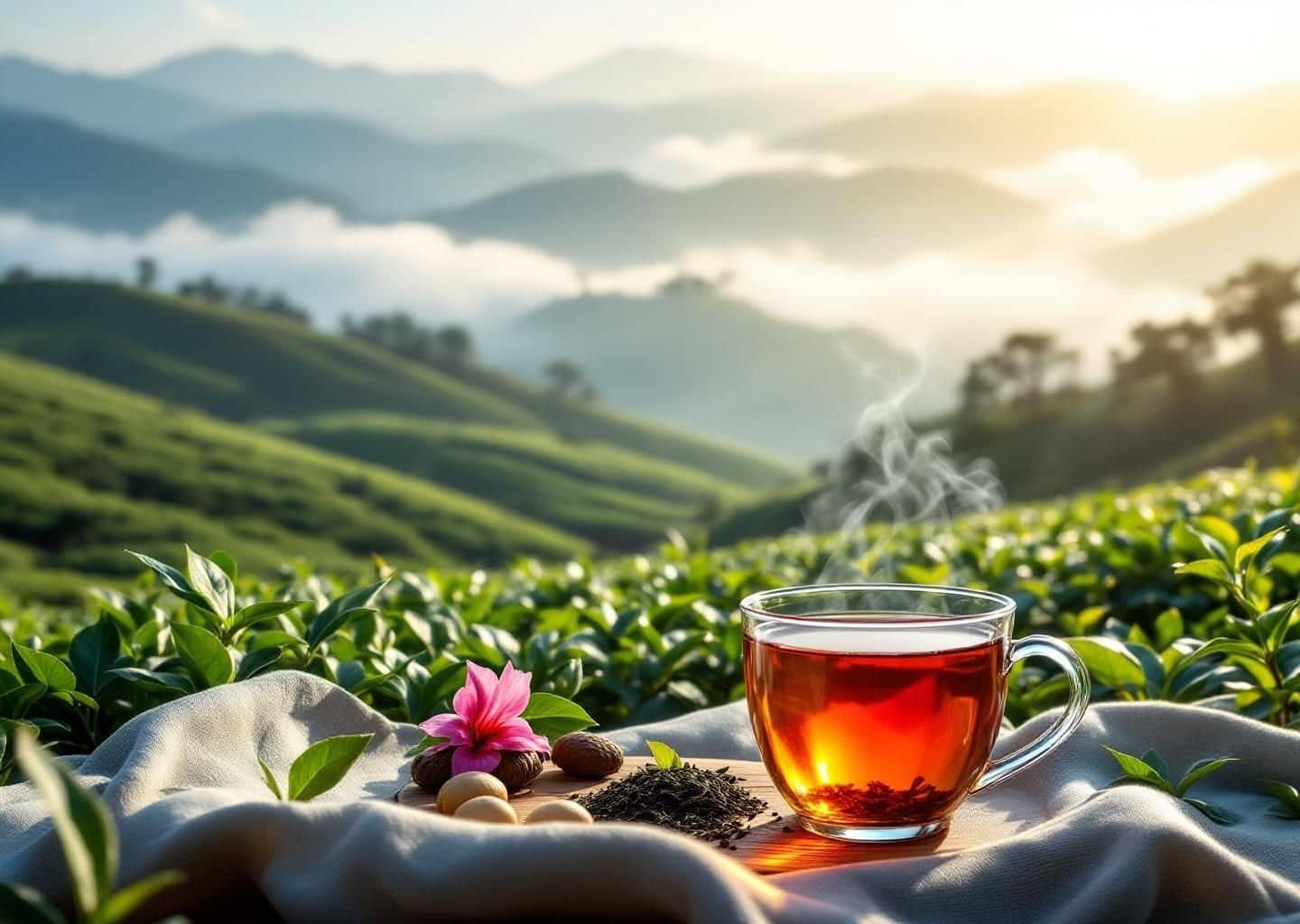
Taiwan’s high mountain tea journey takes you from Taipei’s vibrant tea houses to the misty Alishan tea gardens, where oolong teas grow at elevations above 1,000 meters. This guide covers the best tea regions, tasting experiences, sample itineraries (3, 5, and 7 days), accommodation options, and practical travel tips for planning your Taiwan tea tour. For more, see our Alishan tea tourism guide. See also: luxury tea resorts in Taiwan. See also: how to pack for a tea tour.
Why Taiwan’s High Mountain Tea Is Unique
Taiwan’s high mountain oolong teas are among the most prized in the world, grown at elevations between 1,000 and 2,600 meters in the island’s central mountain range. The cool temperatures, frequent mist, and rich volcanic soil create an ideal microclimate for cultivating tea leaves with complex floral aromas and a signature creamy mouthfeel. Unlike lower-elevation teas, high mountain oolongs undergo slower growth, concentrating flavor compounds and producing a naturally sweet, less astringent cup that commands premium prices at international auctions.
What truly sets Taiwan apart is its mastery of the qing xiang (light fragrance) oolong style, which preserves the tea’s fresh, green character while developing layered notes of orchid, gardenia, and sweet cream. Regions like Alishan, Lishan, and Dayuling each impart distinct terroir signatures, making a tea-tasting tour across multiple elevations a fascinating sensory education.
Best Tea Regions: Alishan, Lishan, and Dayuling
Alishan (1,000–1,400 meters) is Taiwan’s most accessible high mountain tea region and the perfect starting point for first-time tea travelers. The Alishan Forest Railway, a historic narrow-gauge mountain train, winds through tea terraces and cedar forests to reach the plantation areas. Visitors can tour family-run farms, participate in hand-rolling workshops, and taste freshly roasted Jin Xuan (milk oolong) and Qing Xin (green heart) varietals. The nearby Alishan National Scenic Area offers sunrise viewing over a sea of clouds, a classic Taiwanese experience.
Lishan (1,600–2,000 meters) sits within the Taroko Gorge watershed and produces some of Taiwan’s most elegant high mountain teas. The Lishan Tea Research and Extension Station welcomes visitors for guided tastings that compare spring and winter harvests, the two premium seasons. Winter teas (harvested October–November) tend to be more concentrated and complex, while spring teas (April–May) offer brighter, more floral profiles.
Dayuling (2,300–2,600 meters) represents the pinnacle of Taiwanese high mountain tea, with plantations among the highest in the world. The extreme elevation produces teas with exceptional clarity, depth, and a lingering sweetness known as “hui gan.” Access is more challenging, requiring a 4WD vehicle or guided tour, but the reward is tasting oolongs that regularly fetch over $500 per kilogram at auction.
Taipei Tea Houses: Where to Begin Your Journey
Before heading into the mountains, spend a day or two in Taipei’s legendary tea houses to build your palate and knowledge. Wistaria Tea House in the Da’an District is a Taipei institution, housed in a Japanese-era wooden building where tea masters perform traditional gongfu ceremonies using rare aged oolongs. Zenique near Yongkang Street offers a modern approach, with guided tastings of single-origin high mountain teas paired with Taiwanese pastries. For a deeper dive, Lin Mao Sen in the Wanhua District has been sourcing directly from mountain farmers since 1917 and offers private tastings by appointment.
Tea Tasting Experiences and What to Expect
Most tea farms in Taiwan offer guided tasting experiences that go far beyond simply sipping brewed tea. A traditional mountain tea tasting involves evaluating the dry leaf appearance, aroma of the warmed leaves, color and clarity of the liquor, and the progression of flavors across multiple infusions. Expect to taste 3–5 different teas per session, with the tea master explaining how elevation, harvest season, and processing technique influence each cup.
Many farms also offer hands-on experiences: hand-rolling your own oolong leaves, roasting tea over charcoal in a traditional bamboo basket, or picking tea during the spring harvest season (advance booking required). Photography is welcomed at most farms, though you should always ask before entering processing rooms.
Sample Itineraries
3-Day Highlights Itinerary: Day 1 – Arrive in Taipei, afternoon tea tasting at Wistaria Tea House, evening at Yongkang Street night market. Day 2 – Take the high-speed rail to Chiayi, transfer to Alishan for farm tours and sunset viewing. Day 3 – Sunrise at Zhushan, morning tea tasting, return to Taipei via Chiayi.
5-Day Deep Dive Itinerary: Add Day 4 – Drive to Lishan via the Central Cross-Island Highway, visiting tea farms and the Lishan Research Station. Day 5 – Continue to Dayuling for a premium tasting at one of the highest plantations, overnight in Hehuanshan.
7-Day Complete Tea Circuit: Extend with Days 6–7 exploring Sun Moon Lake (Taiwan’s black tea region), including a visit to the Antique Assam Tea Farm and a boat ride across the lake to the Wenwu Temple.
Where to Stay
In Alishan, the Alishan House Hotel offers mountain views and an in-house tea lounge, while the Fenqihu Hotel provides a more traditional Japanese-era experience. Budget travelers can find clean guesthouses near the Alishan train station for under $50 per night.
In Lishan, the Lishan Guest House is a government-run property with spectacular valley views and a restaurant serving local produce. Private homestays (minshuku) on working tea farms offer the most immersive experience, often including breakfast and an evening tea tasting with the family.
Practical Travel Tips
The best seasons for tea tourism are spring (March–May) and autumn (September–November), when weather is mild and harvest activities are underway. Mountain roads can be foggy and winding; hiring a local driver or joining a guided tour is recommended. Bring layers, as temperatures at 2,000 meters can be 10–15°C cooler than Taipei. Most tea farms accept cash only; bring sufficient Taiwanese dollars. English is limited in rural areas, so downloading a translation app or booking an English-speaking guide is advisable.
What is the best time of year to visit Taiwan’s tea regions? Spring (March–May) and autumn (September–November) offer the best weather and active harvest seasons. Winter (December–February) is quieter but can be cold at high elevations.
How do I get from Taipei to Alishan? Take the high-speed rail from Taipei Main Station to Chiayi (approximately 1.5 hours), then transfer to the Alishan Forest Railway or a shuttle bus to reach the tea region (another 2–3 hours).
What should I budget for a Taiwan tea tour? A moderate 5-day tea tour costs approximately $800–$1,200 per person, including accommodation, transportation, guided tastings, and meals. Premium experiences with private guides and luxury stays can exceed $2,500.
Can I buy tea directly from the farms? Yes, most farms sell directly to visitors at prices 30–50% lower than retail shops in Taipei. Bring cash and a reusable tea canister for freshness.
Do I need to speak Chinese to enjoy tea tourism in Taiwan? While English is widely spoken in Taipei, rural tea regions have limited English. Booking a guided tour or using a translation app will significantly enhance your experience.
Are Taiwan’s high mountain teas safe to drink? Yes, Taiwanese tea farms are strictly regulated, and most premium producers follow organic or low-pesticide practices. Look for SGS certification labels when purchasing.
Ready to plan your Taiwan tea adventure? Explore our complete Taiwan tea travel guide for more destination inspiration, or browse our tea destinations collection to discover your next journey.
Taiwan’s high mountain tea journey takes you from Taipei’s vibrant tea houses to the misty Alishan tea gardens, where oolong teas grow at elevations above 1,000 meters. For more, see our Alishan tea tourism guide. See also: luxury tea resorts in Taiwan. See also: how to pack for a tea tour.
Frequently Asked Questions
What is the best time to visit Taiwan High Mountain Tea?
The best time to visit is during the spring (March to May) and autumn (September to November) months when the weather is mild and tea harvests are at their peak.
How do I get there?
Most major tea regions are accessible via international airports followed by domestic transport. Detailed directions are provided in the itinerary section above.
What should I pack for a tea tour?
Comfortable walking shoes, weather-appropriate clothing, a reusable water bottle, and a notebook for tasting notes are essential for any tea journey.
Are English-speaking guides available?
Yes, most major tea estates and tourism operators offer English-speaking guides. It is recommended to book in advance during peak season.
Can I buy tea directly from the estates?
Absolutely. Most tea estates sell their premium loose-leaf teas on-site, often at better prices than international retailers, and many offer shipping services.
Is it safe to drink tap water during the trip?
It is advisable to drink bottled or filtered water throughout your tea journey. Most accommodations and tea houses provide safe drinking water for guests.
Plan Your Tea Journey
Ready to explore the world’s finest tea regions? Download our free Tea Tourism Planning Checklist and start planning your unforgettable tea adventure today.