
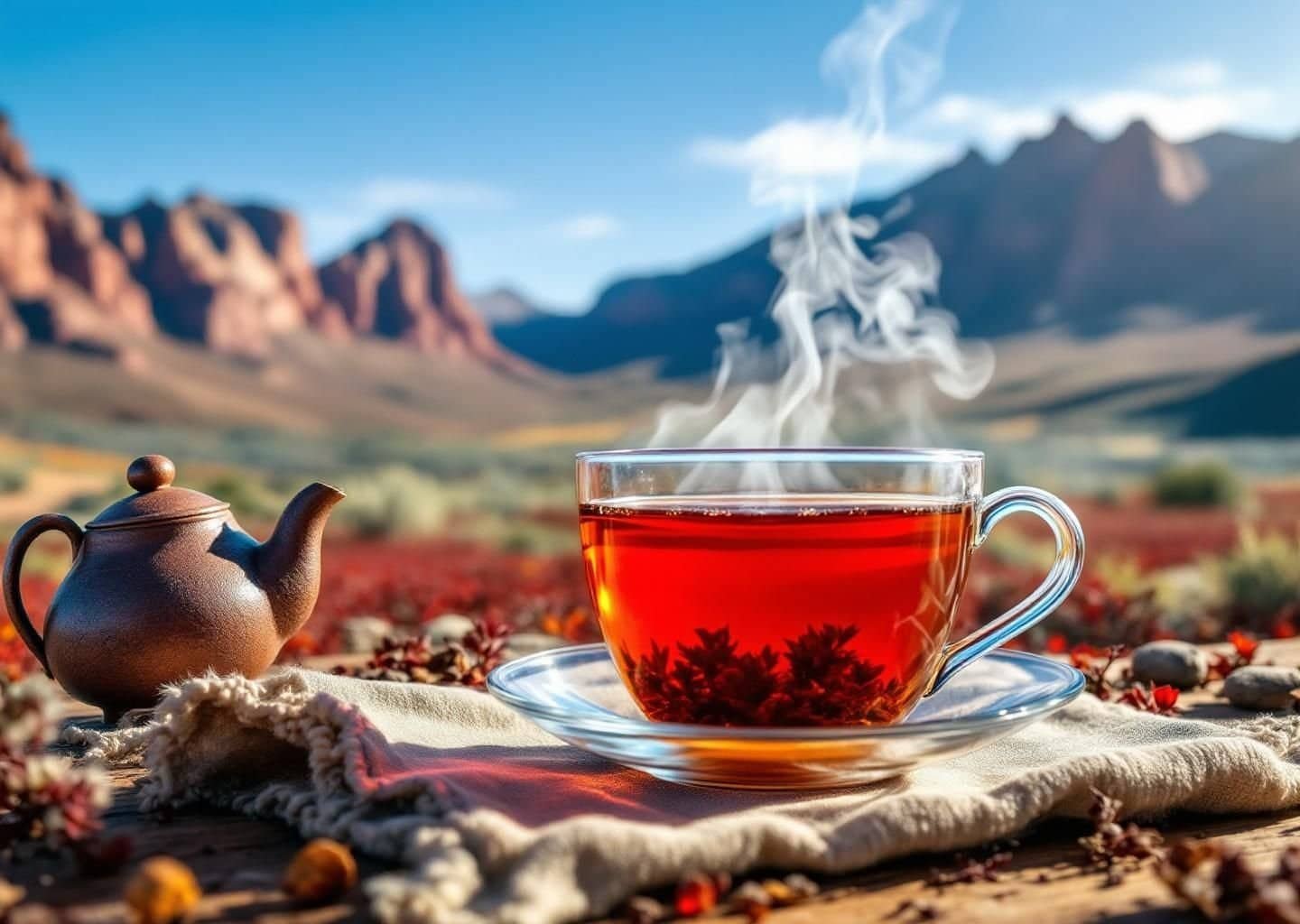
Beyond the Cup in South Africa’s Cederberg region means stepping into the rugged landscape where rooibos tea grows wild and nowhere else on Earth. This semi-arid mountain range, two hours north of Cape Town, offers immersive rooibos harvest experiences that connect travelers directly with the farmers, plants, and ancient traditions behind the world’s only indigenous herbal tea. From hand-harvesting needle-like leaves among fynbos-covered slopes to tasting unprocessed rooibos straight from the drying racks, these experiences reveal why rooibos is called South Africa’s red gold.
What Makes Cederberg Rooibos Unique
The Cederberg Mountains are the only place on Earth where rooibos grows naturally, making this region as terroir-specific as Champagne or Darjeeling. The indigenous Khoisan people have harvested wild rooibos here for centuries, using the needle-like leaves to brew a caffeine-free, antioxidant-rich tisane long before commercial cultivation began in the early 1900s. Today, the Cederberg supports over 450 rooibos farmers, many operating on small family plots that have been passed down through generations.
What distinguishes Cederberg rooibos is its terroir. The nutrient-poor sandstone soils, Mediterranean climate with hot dry summers, and winter rainfall create stress conditions that concentrate the plant’s polyphenols, particularly aspalathin and nothofagin, two rare antioxidants found almost exclusively in rooibos. The result is a naturally sweet, earthy tea with notes of vanilla, honey, and sun-dried hay that cannot be replicated elsewhere.
For tea travelers, this terroir specificity means that tasting rooibos in the Cederberg is fundamentally different from drinking it anywhere else. The altitude, the scent of fynbos in the air, and the direct connection to the land all shape the sensory experience. Many visitors describe their first farm-fresh rooibos tasting as a revelation, noting flavors they had never detected in commercially packaged versions.
Types of Harvest Experiences Available
Farm Stay Programs offer the most immersive option, with travelers staying on working rooibos farms for 2–5 nights. Klipopmekaar Farm, one of the oldest organic rooibos operations in the region, provides hands-on experiences where guests join seasonal harvesting (January–March), learn traditional cutting and bruising techniques, and participate in the sun-drying process on open-air racks. Accommodation is in rustic but comfortable cottages with mountain views and farm-to-table meals featuring rooibos-infused dishes.
Day Tours from Clanwilliam suit travelers with limited time. Local operators like Rooibos Route Tours offer half-day excursions that include a visit to a processing facility, a guided walk through wild rooibos fields, and a structured tasting comparing green (unoxidized) and red (oxidized) rooibos side by side. Many tours also visit the Rooibos Limited processing plant, where the industry-scale production and quality grading systems are explained.
Wild Harvesting Expeditions cater to adventurous travelers seeking authentic Khoisan knowledge. Led by community guides from the Heiveld Co-operative, these full-day hikes traverse remote mountain slopes where wild rooibos still grows among proteas and ericas. Guides share traditional harvesting songs, demonstrate sustainable cutting practices that protect root systems, and explain how indigenous knowledge informed modern organic certification standards.
Culinary-Focused Experiences are an emerging category that combines rooibos with South African cuisine. Some farms now offer cooking workshops where rooibos is used as a spice rub for game meats, a flavoring for artisanal breads, or a base for unique desserts. These experiences appeal to food-focused travelers who want to understand rooibos beyond the teacup.
Seasonal Harvest Calendar
The rooibos harvest follows a strict seasonal rhythm (see our month-by-month rooibos harvest guide). Summer (January–March) is peak harvest season, when the plants are cut, bruised, and left to oxidize in the sun. This is the best time for hands-on participation, though temperatures can exceed 35°C. Autumn (April–May) offers cooler weather and the chance to see the first green shoots emerging from pruned plants. Winter (June–August) brings rain and wildflower displays, but limited farm activities. Spring (September–November) is planting season and ideal for botanical walks among flowering fynbos.
Travelers should plan their visit around their interests. Photographers often prefer winter and spring for the dramatic light and wildflower carpets. Active learners who want to participate in cutting and drying should target January through March. Those seeking a more relaxed experience with mild hiking and tastings can visit in autumn when the crowds thin and accommodation prices drop.
Meeting the Farmers: Stories from the Land
The human stories behind Cederberg rooibos are as compelling as the landscape. Many farm families have cultivated rooibos for four or five generations, adapting their practices through droughts, market fluctuations, and the transition to organic certification. At Heiveld Co-operative, visitors meet farmers like Koos Paulse, whose grandfather taught him to read weather patterns in the mountain clouds to time his harvests. These personal narratives add depth to the tasting experience, transforming a simple cup of tea into a connection with place and people.
Community-based tourism initiatives have also created new economic opportunities. The Rooibos Route, a collaborative network of 15 farms and tourism operators, channels visitor revenue directly back into local schools, conservation projects, and cultural preservation programs. Travelers who book through the Rooibos Route can be confident their visit supports sustainable livelihoods.
Some farms also offer storytelling evenings where elders share Khoisan legends about the discovery of rooibos. One popular tale describes how a Khoisan woman noticed local antelope grazing on a particular mountain shrub and decided to brew its leaves, creating the first cup of rooibos. These stories, whether apocryphal or historical, enrich the visitor experience and provide cultural context that no guidebook can replicate.
What to Expect During a Farm Stay
A typical day on a Cederberg rooibos farm begins early, with the sound of Cape sugarbirds and the first light hitting the orange-red peaks of the Pakhuis Mountains. Mornings are spent in the fields, either harvesting during season or performing maintenance tasks like clearing invasive species. After a farm breakfast featuring rooibos-poached pears and homemade bread, the afternoon might include a processing demonstration, a guided botanical walk, or free time to swim in the farm dam or hike nearby trails.
Evenings center around the farmhouse table, where multi-course dinners showcase rooibos as both beverage and culinary ingredient. Expect rooibos-smoked lamb, rooibos reduction glazes, and rooibos ice cream paired with sunset views over the mountains. Most farm stays include unlimited rooibos tea, allowing guests to compare batches from different harvests and elevations.
Accommodation standards vary. Budget travelers can find basic self-catering cottages for under $60 per night, while luxury seekers can book lodges with private decks, plunge pools, and guided sunrise hikes. Most properties are off-grid or partially solar-powered, adding an eco-conscious dimension to the stay.
Tasting Notes: From Green to Red Rooibos
Most travelers are familiar with the mahogany-red color of traditional oxidized rooibos, but Cederberg harvest experiences introduce the full spectrum. Green rooibos (unoxidized) offers a lighter, more grassy profile with higher antioxidant levels and a pale amber liquor. Red rooibos (oxidized) develops its characteristic sweet, nutty depth through enzymatic browning during the sun-drying process. Aged rooibos, stored for several years in wooden chests, takes on complex notes of dried fruit and tobacco, much like aged Pu-erh.
During tastings, pay attention to the mouthfeel. Quality Cederberg rooibos has a smooth, almost creamy texture with no astringency. Inferior or improperly processed batches can taste woody or dusty, a sign of over-oxidation or poor storage. The best farms will explain these quality markers and let you taste side-by-side comparisons.
Experienced tasters also look for elevation effects. Rooibos grown at higher altitudes in the Cederberg tends to have more concentrated flavors and a longer finish, similar to how high-mountain oolongs from Taiwan develop complexity. Ask your host about the specific elevation and harvest date of each batch you sample.
Planning Your Visit
The Cederberg is approximately 250 kilometers (3 hours) north of Cape Town. Renting a vehicle with high clearance is strongly recommended, as farm roads are often unpaved and rough. The region has no public transportation. Pack layers, as mountain temperatures can drop sharply after sunset, and bring sun protection, as the high-altitude UV is intense.
Accommodation ranges from farm cottages ($60–$120 per night) to luxury eco-lodges like Bushmans Kloof ($400+ per night). Most farm stays require 2–3 night minimums during harvest season. Book well in advance for January–March. The Rooibos Route website maintains an up-to-date list of participating farms and seasonal availability.
Travelers should also consider combining their Cederberg visit with other South African tea and wine destinations. The nearby Swartland wine region offers excellent Syrah and Chenin Blanc, while Cape Town itself has a growing specialty tea scene. Many visitors structure a 7–10 day loop that includes Cape Town, the Cederberg, and the Garden Route.
Frequently Asked Questions
What is the best time to visit Cederberg for rooibos harvesting?
January through March is peak harvest season, offering the most hands-on participation. April–May is cooler and still active, while September–November offers beautiful wildflower displays.
How do I book a rooibos farm stay?
Contact farms directly through the Rooibos Route website, or book through specialized South Africa tour operators like Explore Sideways or AndBeyond. Most require 2–3 night minimums during harvest season.
Can I buy rooibos directly from the farms?
Yes, most farms sell loose-leaf and packaged rooibos at prices 20–40% below retail. Some also offer rare green rooibos and limited-edition batches not available in shops.
Is Cederberg safe for solo travelers?
The region is generally safe but remote. Solo travelers should book guided tours or farm stays with established operators. Cell phone coverage is limited outside Clanwilliam.
What should I pack for a rooibos farm visit?
Sturdy walking shoes, sun hat, sunscreen, layers for cool evenings, and a reusable water bottle. Binoculars are useful for birdwatching among the fynbos.
Are rooibos farm stays suitable for families?
Many farms welcome children and offer educational activities. However, the terrain and heat can be challenging for very young children. Check with individual farms about age policies.
What is the difference between green and red rooibos?
Green rooibos is unoxidized, offering a lighter, grassy profile with higher antioxidants. Red rooibos is oxidized in the sun, developing its characteristic sweet, nutty depth and mahogany color.
Ready to experience South Africa’s red gold firsthand? Explore our complete South Africa tea travel guide for more destination planning, or discover our global tea destinations collection.
For a broader exploration of the region, check out our comprehensive Rooibos Route tea tourism guide covering all the best tea tourism spots in the area.
Ready to explore more? Our South Africa tea travel guide covers all the top tea destinations across South Africa.