
Quick Answer: Taiwan’s oolong tea trail runs through three world-class high-mountain regions: Alishan (1,000–1,400m), Shanlinxi (1,600–1,800m), and Lishan (1,600–2,600m). Each produces distinctly different oolongs — from Alishan’s floral, buttery teas to Lishan’s complex, velvety “King of High Mountain Teas.” The best time to visit is spring (March–May) for first flush harvest or autumn (September–November) for the second flush. Most farms offer guided tastings, factory tours, and hands-on picking workshops.
Quick Facts Box
- Country: Taiwan
- Region: Alishan, Lishan, Shanlinxi
- Best Time to Visit: March to May, September to November
- Currency: New Taiwan Dollar (TWD)
- Language: Mandarin, Taiwanese
- Visa Requirements: Visa-free entry for many countries, check official sources for details
Introduction with Destination Overview
Set amidst the misty mountains of Taiwan, the high-altitude regions of Alishan, Lishan, and Shanlinxi offer a tea lover’s paradise. These areas are famed for producing some of the world’s most exquisite oolong teas. The Taiwan Oolong Tea Trail guides you through these lush landscapes, inviting you to explore the unique terroir and meet the passionate farmers dedicated to crafting this aromatic delight. This journey not only highlights the beauty of Taiwan’s mountainous terrain but also immerses you in the rich cultural tapestry and traditions that make Taiwanese oolong tea so coveted worldwide.
Best Tea Regions
Alishan
Alishan is one of Taiwan’s most renowned tea-growing areas, famous for its high mountain oolong teas. The region’s elevation, ranging from 1,000 to 1,400 meters, provides the perfect climate for cultivating tea with a rich, full-bodied flavor and floral aroma. The lush, foggy environment results in slower plant growth, which concentrates the flavors in the leaves. Visitors can embark on an Alishan tea tour to experience the beautiful terraced landscapes and visit local tea farms, where they can witness the meticulous processes that go into crafting these exceptional teas.
Lishan
Located at even higher elevations between 1,600 and 2,600 meters, Lishan is often referred to as the “King of High Mountain Teas.” The cooler temperatures and high humidity levels contribute to the development of complex flavors with a distinct sweetness and velvety mouthfeel. Lishan oolong tea is typically hand-harvested, ensuring only the highest quality leaves are selected. A visit to Lishan offers not only breathtaking views of the tea plantations but also opportunities to engage with the farmers who have perfected their craft over generations.
Shanlinxi
Shanlinxi, situated at elevations of 1,600 to 1,800 meters, is another gem in Taiwan’s high mountain tea regions. Known for its clear, crisp air and fertile soil, Shanlinxi produces teas with a refreshing and slightly fruity character. The tea gardens here are often enveloped in fog, which enhances the sweetness and aroma of the tea leaves. Touring Shanlinxi’s tea estates provides a serene escape into nature, allowing visitors to appreciate the intricate balance of factors that contribute to the unique profile of Shanlinxi oolong teas.
types of tea Produced
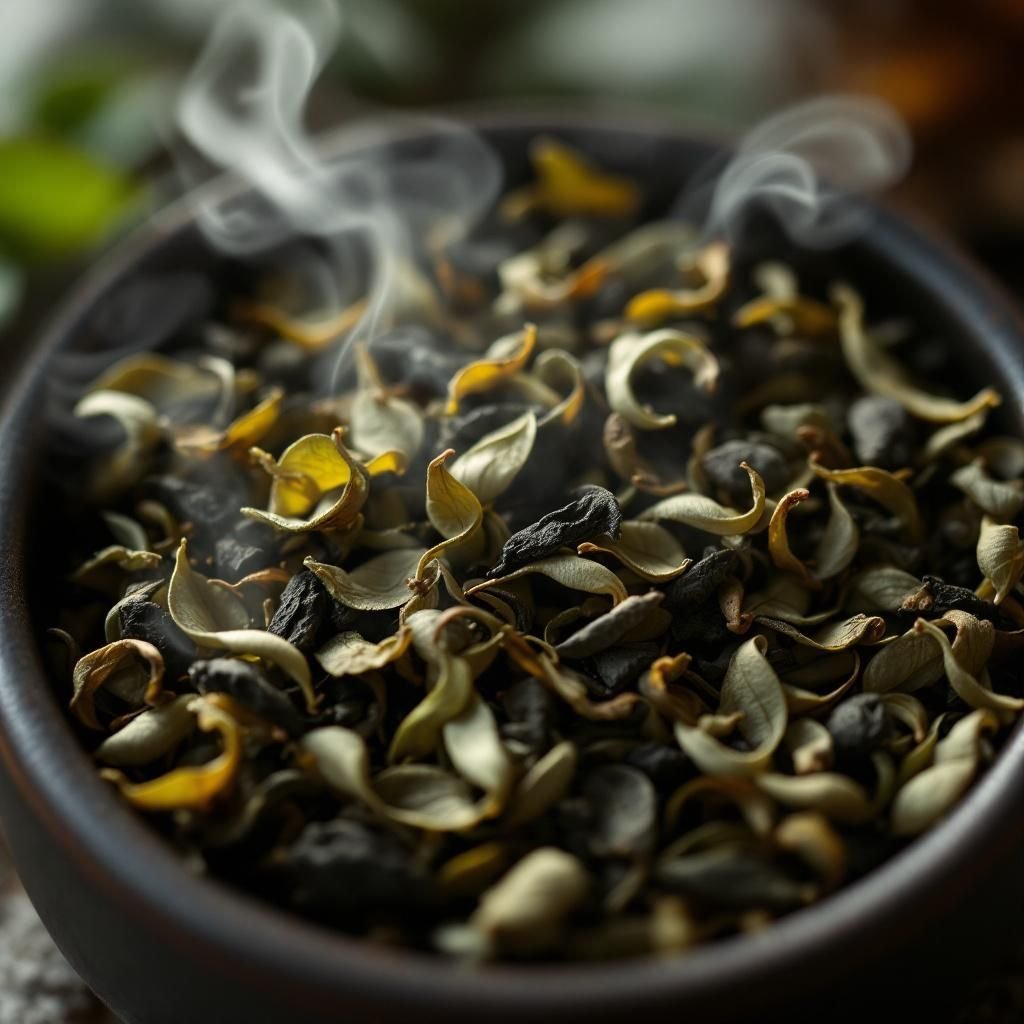
Taiwan’s high mountain regions are predominantly known for producing oolong teas, each with its own distinct characteristics. The Alishan oolong is celebrated for its creamy texture and floral notes, often compared to the fragrance of orchids. Lishan oolong, on the other hand, is known for its buttery richness and fruity undertones, offering a complex tasting experience. Shanlinxi oolong is appreciated for its light, fresh taste with hints of fruit and a lingering sweet aftertaste. These teas are semi-oxidized, typically falling between green and black tea in terms of oxidation levels, which contributes to their delicate yet robust flavors.
Tea Tourism Experiences
Taiwan’s high mountain tea regions offer some of Asia’s most rewarding tea tourism experiences. Here’s what to expect at each level:
Guided Tea Tastings and Gongfu Cha Sessions
Most tea farms and tea houses along the trail offer guided tastings led by experienced tea masters. A typical session includes 3–5 different oolongs from varying elevations and oxidation levels, allowing you to taste the dramatic differences between a lightly oxidized Alishan (floral, creamy) and a heavily roasted Dong Ding (nutty, caramel). Many sessions are conducted in the traditional gongfu cha style — multiple short steeps in a small clay teapot — which reveals the tea’s full complexity.
Tea Factory Tours
Several estates in Alishan and Shanlinxi open their processing facilities to visitors. You’ll see the full production sequence: withering (spreading leaves to reduce moisture), rolling (to break cell walls and initiate oxidation), oxidation control (the critical step that defines oolong’s character), and final firing. The aroma inside a working tea factory during harvest season is extraordinary — a mix of fresh grass, honey, and toasted grain.
Hands-On Tea Picking Workshops
During spring and autumn harvest seasons, many farms invite visitors to pick tea alongside the farmers. You’ll learn to identify the ideal “two leaves and a bud” picking standard, experience the physical demands of hillside harvesting, and often take home a small amount of tea you’ve processed yourself. Book these workshops at least 2 weeks in advance during peak season.
Tea Ceremony Experiences
For cultural immersion, seek out traditional Taiwanese tea ceremony experiences in the mountain tea houses. Unlike the formal Japanese Chado, Taiwanese tea culture is warm and conversational — the ceremony is as much about connection as ritual. The Pinglin Tea Museum near Taipei (a good day-trip before heading to the mountains) offers excellent cultural context and ceremony demonstrations.
Recommended Tea Estates to Visit
- Alishan: Shizhuo Village tea farms — accessible by the Alishan Forest Railway. Look for farms displaying the “高山茶” (high mountain tea) certification.
- Shanlinxi: The Shanlinxi Forest Recreation Area combines tea tourism with hiking through ancient cypress forests.
- Lishan: Fushoushan Farm — a government-operated agricultural station at 2,600m that produces some of Taiwan’s most prized oolongs and offers accommodation.
Best Time to Visit
The best time to explore the Taiwan oolong tea trail is during the spring (March to May) and autumn (September to November) seasons. During these periods, the weather is mild, and the tea plants are at their most vibrant, offering optimal conditions for tea production and tourism. Springtime visits align with the first flush of tea leaves, prized for their freshness and delicate flavors. In autumn, the second flush harvests provide a richer, more mature taste profile. Additionally, these seasons offer pleasant weather for outdoor activities and sightseeing.
How to Get There
Traveling to Taiwan’s high mountain tea regions is relatively straightforward. International travelers typically fly into Taiwan Taoyuan International Airport, which is well-connected to major cities worldwide. From there, domestic flights or trains can take you closer to the tea regions. The Taiwan High-Speed Rail offers a convenient and scenic route to major cities like Taichung, from where local buses or private transfers can take you to Alishan, Lishan, or Shanlinxi. Renting a car is also an option for those who prefer the flexibility of exploring at their own pace.
Where to Stay
Accommodation options in the high mountain tea regions range from budget-friendly guesthouses to luxurious tea estate resorts. For those seeking an authentic experience, several tea farms offer homestays where you can live among the tea fields and learn directly from the farmers. In Alishan, the Alishan House provides comfortable lodgings with stunning mountain views. Lishan offers charming bed-and-breakfasts and boutique hotels that cater to travelers looking for comfort and authenticity. Shanlinxi has eco-friendly lodges that blend seamlessly with the natural surroundings, providing a peaceful retreat.
Costs and Budgeting
Traveling the Taiwan oolong tea trail can be tailored to fit various budgets. On average, daily expenses, including accommodation, meals, and transportation, can range from 2,000 to 4,000 TWD. Budget travelers can find affordable stays in hostels or guesthouses and enjoy local street food, while those seeking luxury may opt for upscale hotels and fine dining experiences. Tea tours and workshops vary in price, often ranging from 500 to 1,500 TWD depending on the inclusions and duration. It’s advisable to book in advance, especially during peak travel seasons.
Sample Itineraries
3-Day Itinerary
- Day 1: Arrive in Alishan, visit local tea farms, and attend a traditional tea ceremony.
- Day 2: Explore the Alishan National Scenic Area, enjoy a guided tea tasting session.
- Day 3: Depart for Lishan, tour a high mountain tea plantation, and sample Lishan oolong.
5-Day Itinerary
- Day 1-2: Follow the 3-day itinerary for Alishan.
- Day 3: Travel to Shanlinxi, explore the tea gardens, and participate in a tea-making workshop.
- Day 4: Discover the Shanlinxi Forest Recreation Area, enjoy a picnic with local tea.
- Day 5: Return to Taichung for a city tour and shopping for tea souvenirs.
7-Day Itinerary
- Day 1-5: Follow the 5-day itinerary.
- Day 6: Spend an additional day in Lishan for hiking and exploring the scenic trails.
- Day 7: Visit a local market in Taichung to buy fresh produce and local specialties.
Related Guides
- Alishan Tea Tour Guide
- Lishan Oolong Experience
- Taichung Tea Trails
- Taiwan Tea Festivals
- Best Tea Tours in Taiwan
Plan Your Taiwan Oolong Tea Trail Adventure
From Alishan’s misty terraced fields to Lishan’s cloud-shrouded peaks, Taiwan’s oolong tea trail is one of Asia’s most rewarding tea travel experiences. The trail offers something extraordinary at every elevation, no matter your level of tea experience.
🍵 Also explore: Types of Tea Guide · Korean Tea Ceremony · Japanese Tea Ceremony
Frequently Asked Questions
What makes Taiwan’s high mountain oolong teas unique?
The unique terroir, including high elevation, misty conditions, and rich soil, contributes to the distinct flavor and aroma profiles of these teas.
Can I visit tea farms during the harvest season?
Yes — and harvest season visits are the most rewarding. Taiwan’s high mountain oolongs have two main harvests: spring (late April to May, first flush) and autumn (October to November, second flush). During these periods, farms are fully active and many welcome visitors for picking workshops, factory tours, and fresh-harvest tastings. Spring teas are prized for their delicate floral character; autumn teas tend to be richer and more complex. Book farm visits and accommodation at least 3–4 weeks ahead during peak harvest season, as popular estates fill up quickly.
Do I need to speak Mandarin to enjoy a tea tour in Taiwan?
While Mandarin is helpful, many tours offer English-speaking guides, and locals are generally friendly and accommodating.
Are there any health benefits to drinking oolong tea?
Oolong tea is known for its potential health benefits, including aiding digestion, boosting metabolism, and providing antioxidants.
What should I bring on a tea tour?
Comfortable clothing, walking shoes, a rain jacket, and a reusable water bottle are essential for a tea tour.
What is the difference between Alishan and Lishan oolong tea?
Alishan oolong (grown at 1,000–1,400m) is known for its floral, buttery character with a light golden liquor and sweet, lingering finish — often described as having notes of orchid and cream. Lishan oolong (grown at 1,600–2,600m) is considered Taiwan’s most prestigious high mountain tea. The extreme elevation produces a more complex, velvety tea with deeper sweetness, a richer mouthfeel, and greater aromatic complexity. Lishan is typically more expensive (often 2–3x the price of Alishan) and is hand-harvested in smaller quantities. Both are excellent; Alishan is more accessible for beginners, while Lishan rewards experienced tea drinkers.
How do I get from Taipei to the Alishan tea region?
From Taipei, take the Taiwan High-Speed Rail (HSR) south to Chiayi Station (approximately 90 minutes). From Chiayi, you have two options: (1) The scenic Alishan Forest Railway — a narrow-gauge mountain railway that climbs through forests to Alishan Station (approximately 2.5 hours, book tickets in advance). (2) Bus or taxi from Chiayi Bus Station to Alishan (approximately 2 hours). For Lishan, the journey is longer — take the HSR to Taichung, then a bus or rental car through the Central Cross-Island Highway (Route 8). A rental car gives you the most flexibility to stop at farms along the way. The drive from Taichung to Lishan takes approximately 3–4 hours.

