
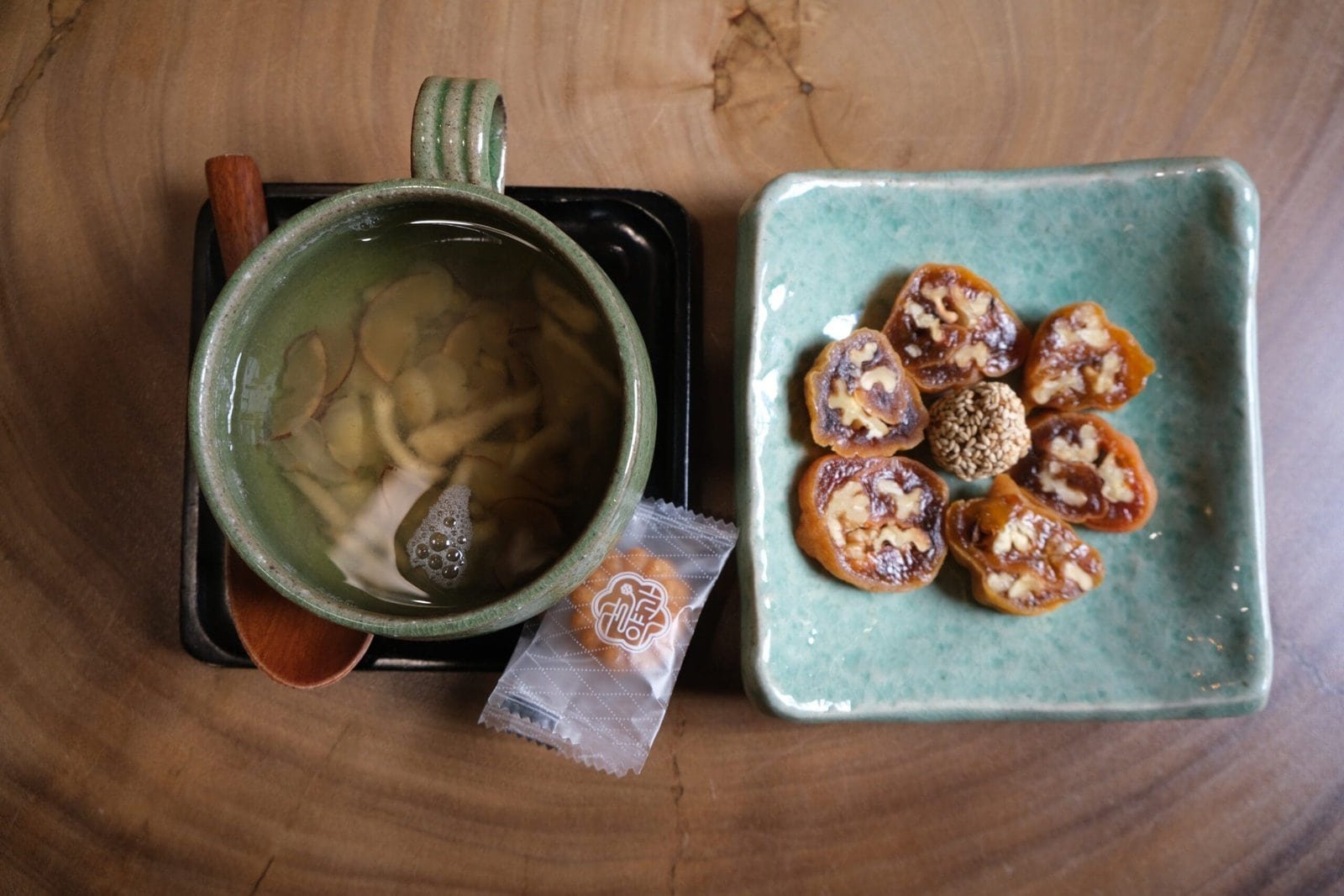
Seoul moves at a blistering pace. Neon-lit streets, K-pop blaring from every storefront, subway cars packed at midnight. But tucked into the alleyways of the city’s oldest neighborhoods — behind the hanok gates and up narrow staircases — are tea houses that have served the same teas, in the same quiet rooms, for decades.
Korean tea houses (chatjip, 찻집, or dawon, 다원) are not cafés. They are sanctuaries. The lighting is low. The music, if any, is classical gayageum or ambient nature recordings. The tea arrives in ceramic cups on wooden trays, often with a small dish of dried jujubes or rice cakes. You are meant to sit, to slow down, to stay.
This guide maps the best traditional tea houses across Seoul’s neighborhoods, from the famous Insadong corridor to the hidden gems of Bukchon, Samcheong-dong, and beyond.
Insadong: Seoul’s Tea House Heartland
Insadong-gil, the main artery of Seoul’s traditional arts and culture district, has the highest concentration of tea houses in the city. While some have gone touristy, others remain fiercely authentic.
Suyeon Sanbang (수연산방): This is the one, though it sits in Seongbuk-dong, a short taxi ride north of Insadong rather than in Insadong itself. Built in 1933 as the home of novelist Lee Tae-jun and now a Seoul Folk Cultural Heritage site, Suyeon Sanbang serves tea in rooms that feel genuinely suspended in time — dark wooden beams, rice-paper doors, a garden visible through every window. The omija-cha (five-flavor berry tea) is exceptional. Expect a wait on weekends; it’s worth it.
Dawon (다원): Located in the courtyard of the Kyungin Museum of Fine Art, Dawon is a large hanok tea house with an open-air courtyard that’s magical in autumn. The traditional Korean teas — citron (yujacha), jujube (daechu-cha), and green tea — are well-prepared, and the atmosphere is pure serenity despite being steps from Insadong’s bustle.
Moon Bird Thinks of the Moon (달새는달을생각한다): Named after a poem, this tiny second-floor tea house on Insadong-gil serves medicinal herb teas and traditional Korean desserts in a cozy, dimly lit space filled with antiques. The owner is a tea scholar who will happily discuss Korean tea philosophy if you’re interested (Korean language helps, but gestures and warmth bridge the gap).
Bukchon Hanok Village
The famous hanok neighborhood between Gyeongbokgung and Changdeokgung palaces has several excellent tea houses nestled among the traditional houses:
Cha-teul (차뜰): A modest hanok with a courtyard garden, specializing in wild-harvested Korean teas. The host sources directly from small farms in South Jeolla Province and Hadong — the same regions that supply Boseong’s famous plantations. If you want to understand the difference between Korean green tea grades (ujeon, sejak, jungjak, daejak), this is the place.
OSULLOC Tea House Bukchon: The commercial arm of Jeju’s Amore Pacific tea plantations, OSULLOC is more modern and polished than the traditional chatjip. But their Jeju-grown teas are genuinely excellent, the space is beautiful, and their green tea desserts — especially the rolled ice cream — are Instagram-famous for a reason. Good for a lighter, more accessible tea experience.
Samcheong-dong
The gallery-lined streets east of Gyeongbokgung have a quieter, more artistic atmosphere than Insadong:
Shin Old Tea House (신구찻집): Operating since the 1980s, this dark, wood-paneled space feels like entering a different era. Classical Korean music plays softly, antique pots line the shelves, and the menu covers every traditional Korean tea from ginger to chrysanthemum to persimmon leaf. The jujube tea here is served thick and sweet, with pine nuts floating on top — a masterpiece of Korean tea craft.
Ikseon-dong
Seoul’s smallest hanok neighborhood has been reborn as a trendy dining and drinking destination, but a few tea-focused spots maintain the traditional spirit:
Jilsiru Tteok Café (질시루): Not a pure tea house, but a rice cake (tteok) shop that pairs traditional Korean teas with handmade rice cakes in a renovated hanok. The combination of warm grain tea (bori-cha or sungnyung) with freshly made songpyeon (pine-scented rice cakes) is deeply satisfying and deeply Korean.
Myeongdong & Jung-gu
Namsangol Hanok Village Tea Experience: This reconstructed hanok village at the foot of Namsan Mountain offers scheduled traditional tea ceremonies. While more touristy than the neighborhood tea houses, it provides a structured introduction to darye (Korean tea ceremony) with English explanation — a good starting point before exploring on your own.
Understanding Korean Teas
Korean tea houses serve a much wider range of teas than their Japanese or Chinese counterparts. Many aren’t made from Camellia sinensis at all — they’re tisanes and grain-based drinks that have been part of Korean wellness tradition for centuries. For a broader introduction to tea varieties worldwide, see our complete guide to types of tea.
Nokcha (녹차) — Green tea: Korea’s Camellia sinensis production, primarily from Boseong and Hadong. Korean green tea is pan-fired (like Chinese) rather than steamed (like Japanese), giving it a nuttier, less grassy profile.
Bori-cha (보리차) — Barley tea: Served cold in summer and warm in winter, this roasted barley infusion is Korea’s everyday drink — served free at restaurants as a table water. Simple, comforting, and caffeine-free.
Yujacha (유자차) — Citron tea: Made from preserved yuja citrus fruit, this sweet, tangy, aromatic tea is a winter staple and cold remedy. The best versions use hand-preserved yuja from Goheung County.
Ssanghwacha (쌍화차) — Double harmony tea: A medicinal herb blend traditionally consumed for stamina and recovery. Dark, bittersweet, and complex, with a raw egg yolk sometimes floated on top (adventurous but traditional).
Daechu-cha (대추차) — Jujube tea: Thick, sweet, and deeply warming. Made by simmering dried jujubes for hours until they dissolve into a rich, date-like liquid. Pine nuts and ginkgo are often added.
Omija-cha (오미자차) — Five-flavor tea: Made from dried Schisandra berries, this striking pink tea genuinely delivers five flavors: sweet, sour, salty, bitter, and pungent. Served cold in summer, it’s as refreshing as it is unusual.
Saenggang-cha (생강차) — Ginger tea: Korea’s ginger tea is often richer and sweeter than other Asian versions, simmered with honey or sugar and sometimes jujubes.
Tea House Etiquette
Korean tea houses are relaxed, but a few norms will help you fit in:
- Remove shoes if the seating is on the floor (ondol-style). Socks are fine.
- Speak softly. Tea houses are quiet spaces — louder conversation happens at cafés.
- Stay as long as you like. Unlike coffee shops with laptop time limits, tea houses expect you to linger. Order one pot, sit for an hour. That’s the point.
- Cash may be needed at older, traditional establishments.
- Receive and give with two hands or one hand supported at the wrist — this is standard Korean etiquette for receiving anything.
Planning Your Seoul Tea House Route
A perfect tea-focused half-day in Seoul:
- Morning: Start at Bukchon Hanok Village for architecture and photos, stopping at Cha-teul for your first pot
- Late morning: Walk through Samcheong-dong’s galleries to Shin Old Tea House
- Lunch: Korean temple food at Balwoo Gongyang (Michelin-starred Buddhist cuisine — no meat, extraordinary flavors)
- Afternoon: Insadong’s antique shops and art galleries, then a short taxi to Seongbuk-dong for late-afternoon tea in the garden at Suyeon Sanbang (closed Monday and Tuesday)
For the complete Korean tea experience, pair your Seoul tea house exploration with a trip to Boseong’s tea plantations and a formal darye ceremony.
Beyond the Traditional: Seoul’s Modern Tea Scene
While the traditional chatjip remain the soul of Seoul’s tea culture, a new generation of tea spaces has emerged that bridges tradition and contemporary design. These aren’t replacements for the hanok tea houses — they’re extensions of the same impulse, adapted for a new era.
Osulloc Tea Stone (삼청동): Amore Pacific’s flagship concept store in Samcheong-dong goes beyond their standard OSULLOC shops. The Tea Stone experience offers curated tea flights paired with seasonal desserts in a space designed by some of Korea’s top architects. It’s a useful introduction to Jeju’s tea production before making the trip south.
Cafe Onion Seongsu: While primarily a bakery-café, Onion’s Seongsu location — a converted shoe factory — serves an excellent selection of Korean teas alongside their pastries. The industrial-hanok aesthetic has influenced a wave of similar spaces across the city.
Tea therapy spaces: A growing trend in Seoul combines traditional tea service with wellness elements — aromatherapy, sound healing, and guided meditation. These tea therapy sessions (다도테라피) typically last 60–90 minutes and cost ₩30,000–₩50,000. They represent a genuinely Korean innovation: applying the meditative qualities of darye to modern stress management.
Seasonal Tea Experiences in Seoul
Spring (March–May): Cherry blossom season transforms Bukchon’s tea house gardens. Several establishments serve special spring teas — fresh first-flush Korean green tea appears in late April, and flower-scented teas (chrysanthemum, lotus, cherry blossom) are at their seasonal peak. The Jongno-gu Cultural Center often hosts free darye demonstrations during the traditional ceremony festival weeks.
Summer (June–August): Cold-brewed teas come into their own. Omija-cha (five-flavor berry tea) served over ice is the quintessential Korean summer refreshment — tart, sweet, and impossibly pink. Many tea houses offer cold-brew flights featuring barley, corn, and buckwheat teas alongside traditional green.
Autumn (September–November): The finest season for tea house visits. Cooler air makes sitting on heated ondol floors especially inviting, and the hanok gardens blaze with maples and ginkgoes. Chrysanthemum tea, made from whole dried flowers that bloom in the cup, reaches its peak season.
Winter (December–February): This is when Seoul’s tea houses feel most necessary — shelters from the bitter cold. Thick, warming jujube tea and ginger tea become the drinks of choice. The contrast between the freezing streets and a warm hanok with steam rising from your cup is one of Seoul’s most beautiful small pleasures.
Frequently Asked Questions
Are Seoul tea houses expensive?
Very affordable. Most traditional teas cost ₩7,000–₩12,000 ($5–$9 USD) per pot, which often includes refills or accompaniments.
Do I need to speak Korean?
Helpful but not essential. Most tea houses have picture menus or basic English. Pointing works fine. The tea house experience transcends language.
Can I visit tea houses in the evening?
Many close by 9–10 PM, but Suyeon Sanbang closes earlier (about 17:50 on weekdays, later at weekends) and is shut on Monday and Tuesday, so plan it for the afternoon, when the hanok garden is at its best.
What’s the difference between a chatjip and a café?
A chatjip (찻집) specifically serves traditional Korean teas and tisanes in a traditional setting. A café (카페) serves coffee and modern drinks. Some places blur the line, but true chatjip are tea-focused and culturally distinct.
Are tea houses suitable for solo travelers?
Absolutely. Solo visitors are common and welcome. Many regulars come alone to read, write, or simply sit with their thoughts. It’s one of the most comfortable solo experiences in Seoul.