
What to Expect from a Korean Darye Experience
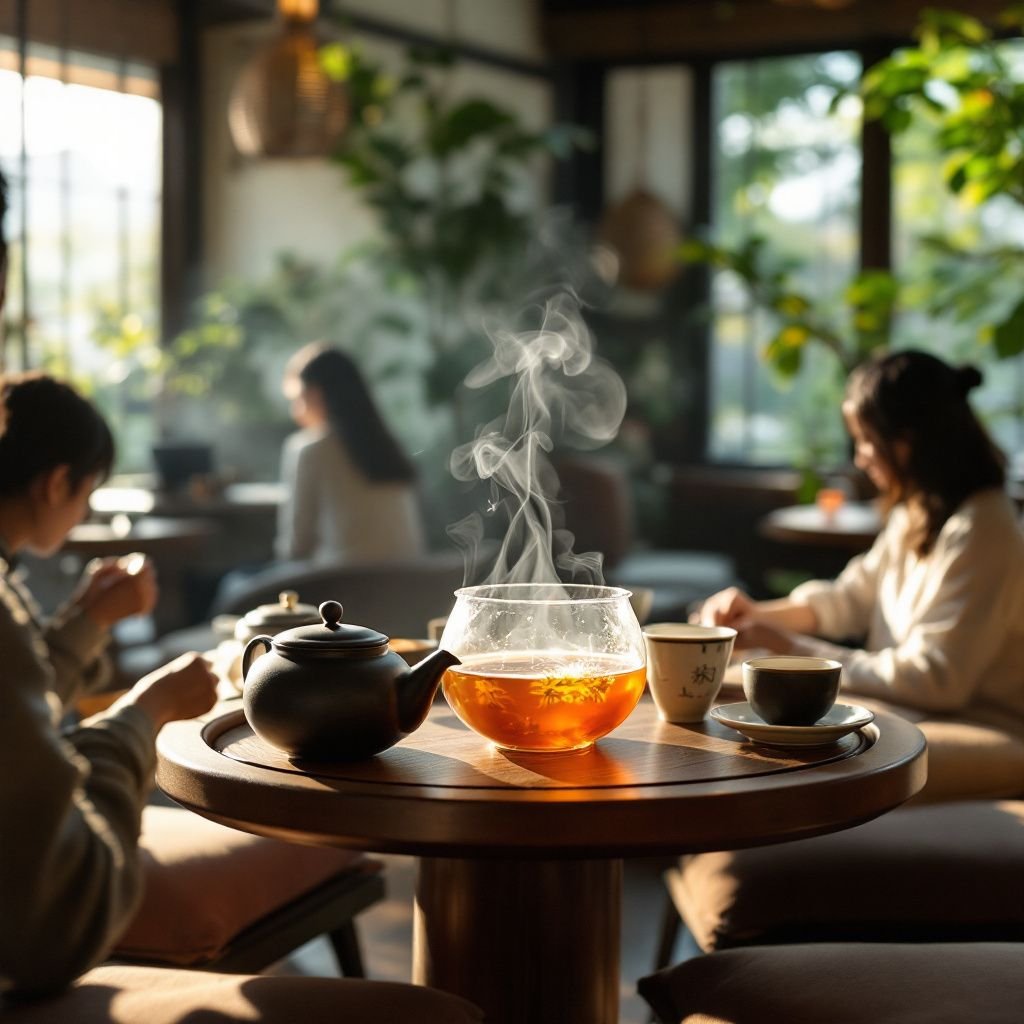
The Korean Darye is a traditional tea ceremony that focuses on harmony, respect, and tranquility. Unlike the more rigid and formal Japanese tea ceremonies, Darye is celebrated for its simplicity and accessibility. Participants sit on the floor, and the ceremony is often held in serene environments, which can be indoors or in garden settings. The ritual is not just about drinking tea but about fostering a sense of community and mindfulness. During a typical Darye, you will be served green tea, which is poured from a simple teapot into small cups. The tea is brewed multiple times, with each serving offering a distinct flavor profile due to variations in brewing time and temperature. Expect to find a peaceful ambiance with minimalistic decor, usually featuring natural elements such as wooden tables and soft cushions.
Booking Information for a Darye Experience
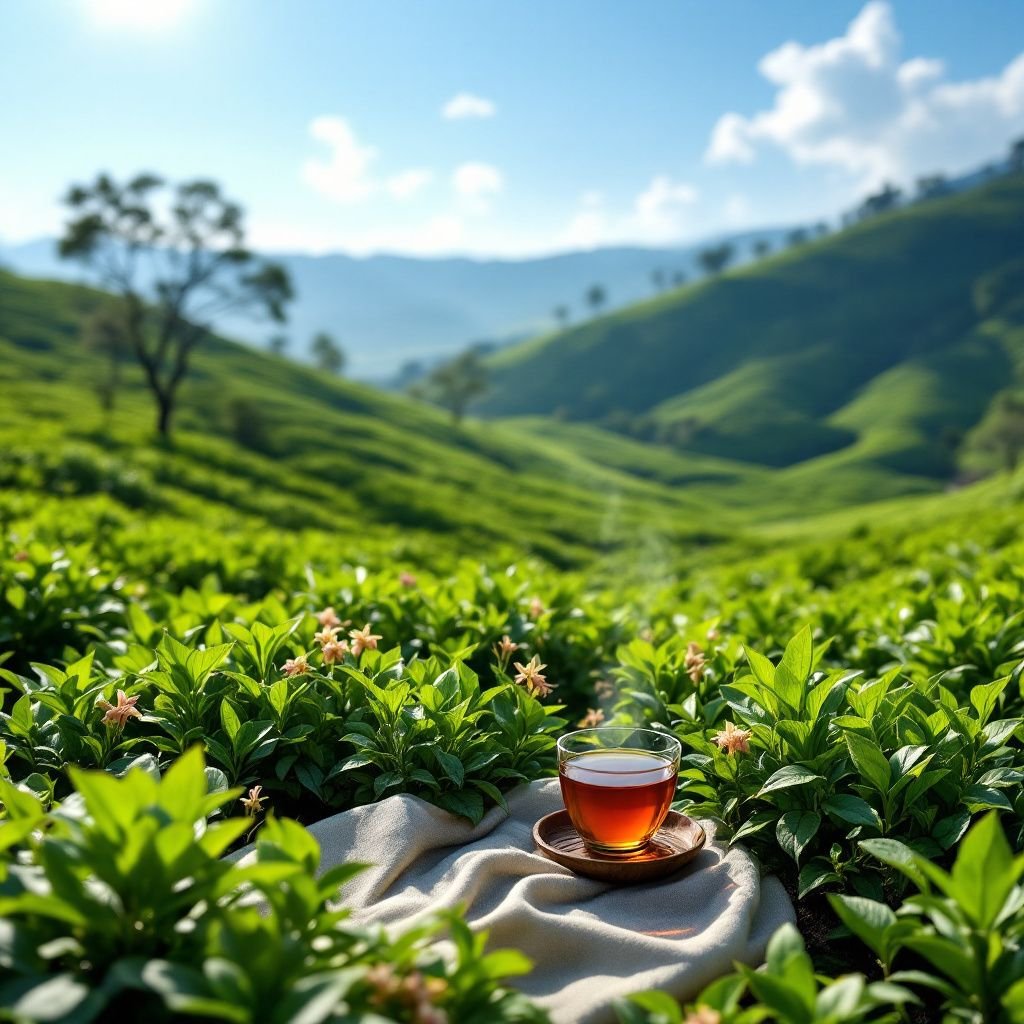
To participate in a Korean Darye experience, it is advisable to book in advance, especially if you are planning to attend a ceremony at a popular location such as a Seoul tea house or the Boseong tea garden. Many venues offer online booking options, and some even have English-speaking guides to assist international visitors. Prices for these experiences can vary, typically ranging from $20 to $50 per person, depending on the location and the inclusivity of additional experiences, such as guided tours or workshops. It’s a good idea to check the specific requirements of each venue, as some may have dress codes or other etiquette guidelines to follow.
Costs and What is Included
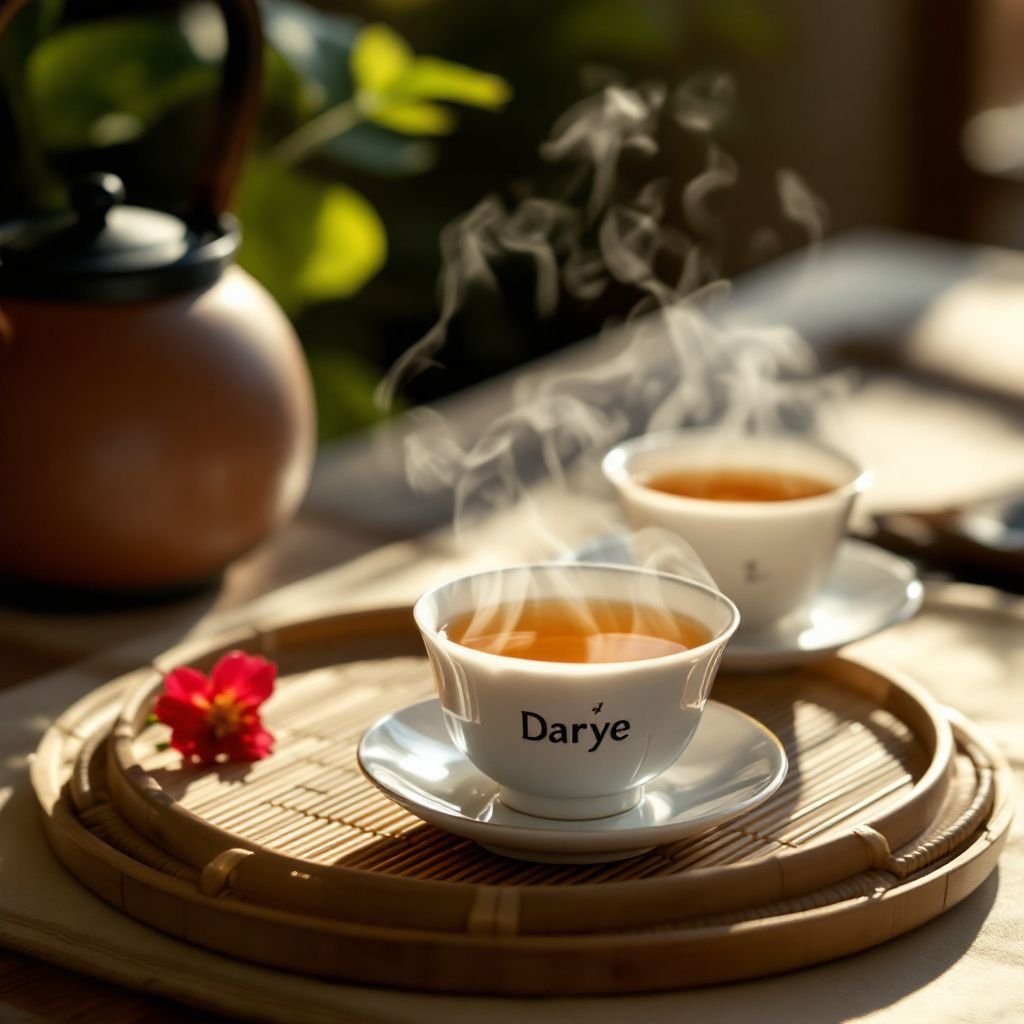
The cost of participating in a Korean Darye experience can vary significantly based on the venue and the additional activities included. A basic Darye session at a local tea house in Seoul might cost around $25, including a short introduction to the tea’s history and significance. More elaborate sessions, such as those at the Boseong tea garden, might be priced higher but include additional experiences such as guided tours of the tea fields, tastings of different tea varieties, and even workshops on how to brew Darye-style tea at home. Typically, the price covers the tea ceremony itself, light refreshments, and a brief educational session. Moreover, some places offer discounts for group bookings or off-peak time slots.
Tips for First-Timers
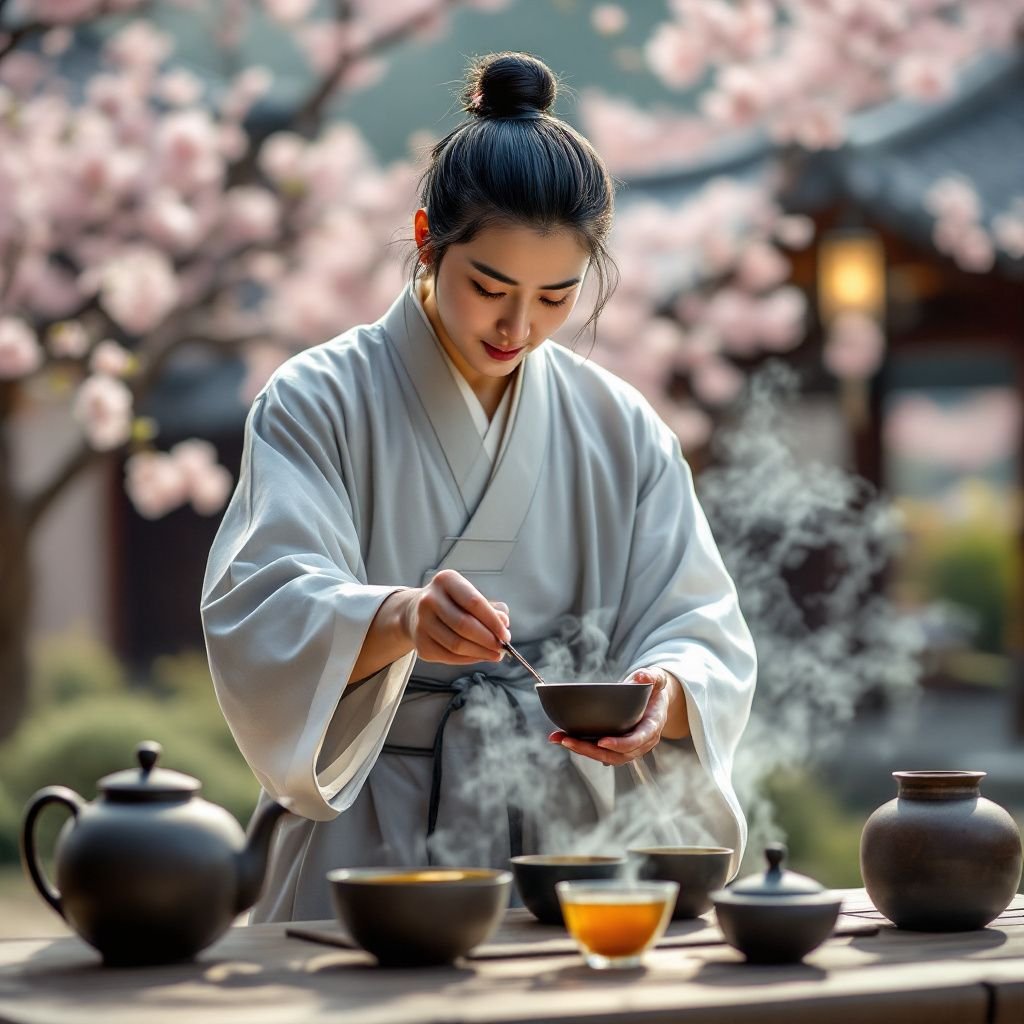
If you’re new to the Korean Darye experience, there are a few tips that can help you get the most out of your visit. Firstly, arrive at the venue a little early to settle in and relax before the ceremony begins. Wear comfortable clothing that allows you to sit on the floor easily, and be prepared to remove your shoes upon entering the tea room. Observe the host and follow their lead, as the ceremony is all about mindfulness and respect. Listen carefully to the guide’s explanations, and feel free to ask questions if anything is unclear. Finally, enjoy the moment and let the meditative nature of Darye wash over you, offering a peaceful interlude in your travels.
Best Time to Go
The best time to experience a Korean Darye ceremony is during the spring or autumn months. These seasons provide a perfect backdrop of blooming flowers or colorful leaves, enhancing the serene ambiance of the tea ceremony. Spring, in particular, is a popular time as many tea gardens, like those in Boseong, come to life with vibrant green tea leaves. Autumn offers cooler weather and a quieter atmosphere, which complements the meditative nature of the ceremony. Summer can be quite hot and humid, which might detract from the experience, while winter can be too cold, although some indoor tea houses remain cozy and inviting year-round.
Alternatives and Similar Experiences
If you are unable to attend a Korean Darye ceremony, there are several similar experiences worth exploring. The Japanese tea ceremony, known as Chanoyu, offers a more formal and detailed ritual that emphasizes precision and aesthetics. In China, the Gongfu tea ceremony provides a distinct experience with its focus on the art of tea brewing and the use of small teapots and cups. Each of these ceremonies offers unique insights into the cultural significance of tea in different Asian societies. For those interested in broader cultural experiences, consider visiting tea museums or participating in tea-tasting workshops that provide a more comprehensive understanding of tea’s role in global culture.
Related Guides
- Japanese Tea Ceremony Guide (Chanoyu)
- Chinese Tea Culture: History, Traditions & Practices
- Thai Tea Ceremony Guide
- Darye: Beginner’s Guide to Korean Tea Ceremony
- Tea Wellness Retreats: Top Healing Tea Destinations
Frequently Asked Questions
What is the main difference between the Korean Darye and other tea ceremonies?
Korean Darye is less formal and focuses on simplicity and accessibility, allowing for a more relaxed and meditative experience.
Can I participate in a Darye ceremony if I don’t speak Korean?
Yes, many venues offer English-speaking guides or provide translated materials to help international visitors understand the ceremony.
What should I wear to a Darye ceremony?
Wear comfortable clothing that allows you to sit on the floor easily.
Is it necessary to book a Darye ceremony in advance?
While some places accept walk-ins, it’s advisable to book in advance, especially during peak tourist seasons, to ensure availability.
Are there any special etiquette rules I should know?
Follow the host’s lead and be respectful of the ceremony.

Ready to Experience Korean Tea Culture?
Planning a tea journey to Korea? Explore our complete guides to Himalayan silent tea ceremony, Hangzhou tea ceremony workshops, and tea traveler’s essentials. Subscribe to the Steeped Travels newsletter for weekly tea travel inspiration and exclusive destination guides.